Brazilian Minister Calls Argentina's President Milei a 'Clown,' Escalating Diplomatic Row
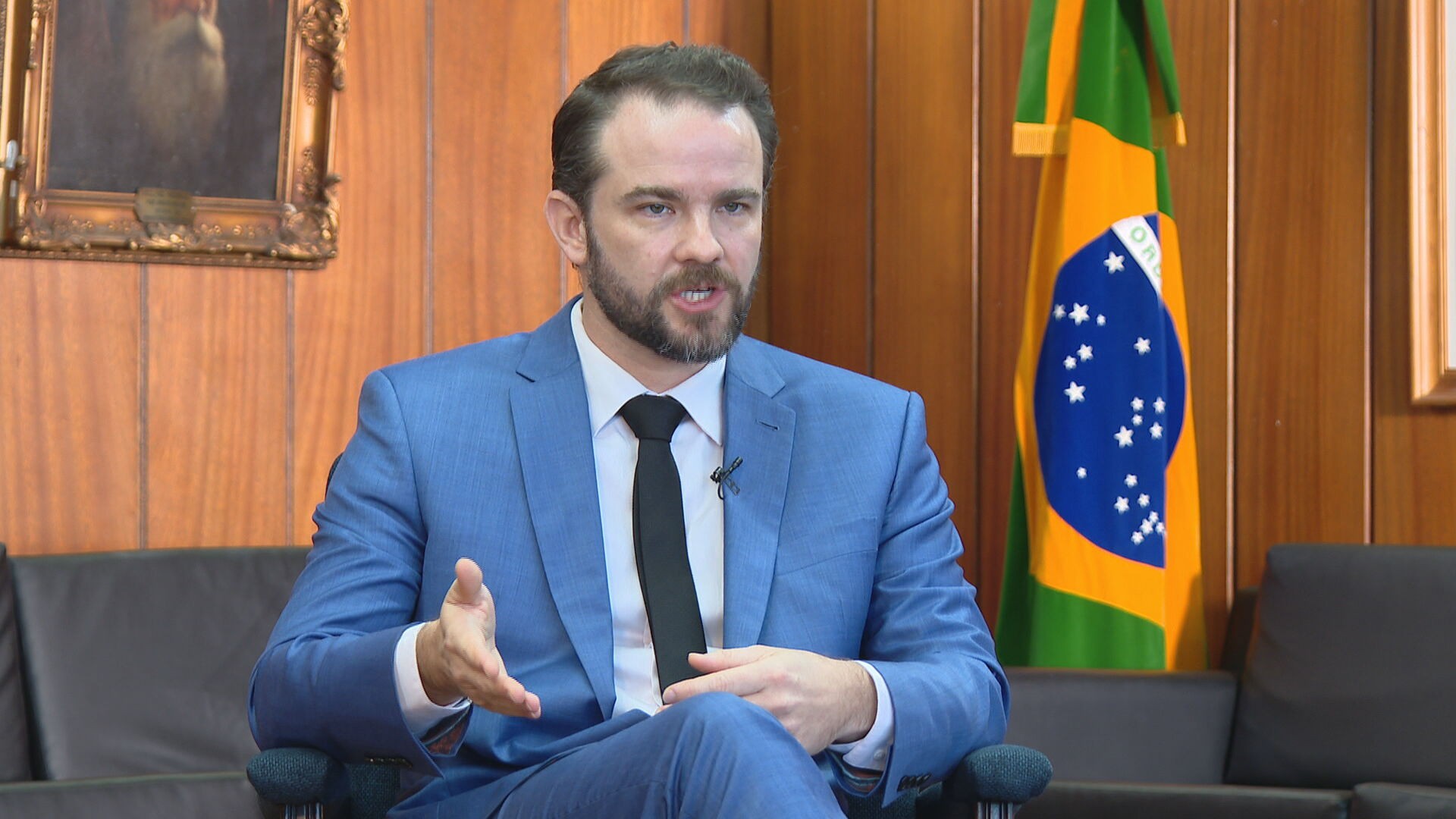
Argentine newspapers Clarín and La Nación highlighted remarks by Brazilian Minister of Finance, Dario Durigan, who referred to Argentine President Javier Milei as a 'clown.' This exchange occurred in response to Milei's recent criticisms of the Brazilian government during an event for Flávio Bolsonaro's candidacy. Durigan stated in an interview that Brazil's economy is in a better state than Argentina's, pointing to Argentina's higher country risk, public debt, and inflation. He further explained that Milei's direct criticism of his ministry prompted his personal response, which he emphasized was not an official government position. Durigan expressed that it was inappropriate for a foreign president to criticize Brazilian authorities and economic policies without official communication. The incident has intensified the diplomatic crisis between Brazil and Argentina. Argentine media reported that the Brazilian government summoned its ambassador in Buenos Aires for consultations following Milei's statements. Brazil's Minister of Foreign Affairs, Mauro Vieira, deemed Milei's declarations 'serious and unacceptable' and an interference in Brazil's internal affairs, affecting its government, institutions, and people. Despite the diplomatic fallout, members of the Argentine government have reportedly dismissed the idea of an official apology for Milei's remarks. La Nación focused on Durigan's economic comparisons, acknowledging some domestic economic challenges in Brazil, such as high interest rates, while also detailing the diplomatic repercussions of Milei's visit and speech.
This diplomatic spat highlights the volatile intersection of domestic political messaging and international relations, particularly in the context of populist leadership. President Milei's direct engagement at a foreign political rally, coupled with his subsequent criticism of Brazil's economic policies and authorities, appears to be a strategy aimed at galvanizing his base and projecting a strong, anti-establishment image. Minister Durigan's response, while framed as a personal reaction, escalates the situation by directly attacking the Argentine president's credibility and national economic standing. This dynamic risks entrenching animosity, potentially impacting bilateral trade and cooperation in the medium term. Both nations face internal economic pressures, and such public disputes can distract from addressing these fundamental challenges, creating a feedback loop where nationalist sentiment is amplified at the expense of pragmatic governance and regional stability.
AI-generated to prompt reflection — not editorial opinion, not advice, not a statement of fact. How this works.