Brazilian Mother Claims Son Died Fighting for Ukraine, Seeks Body Recovery
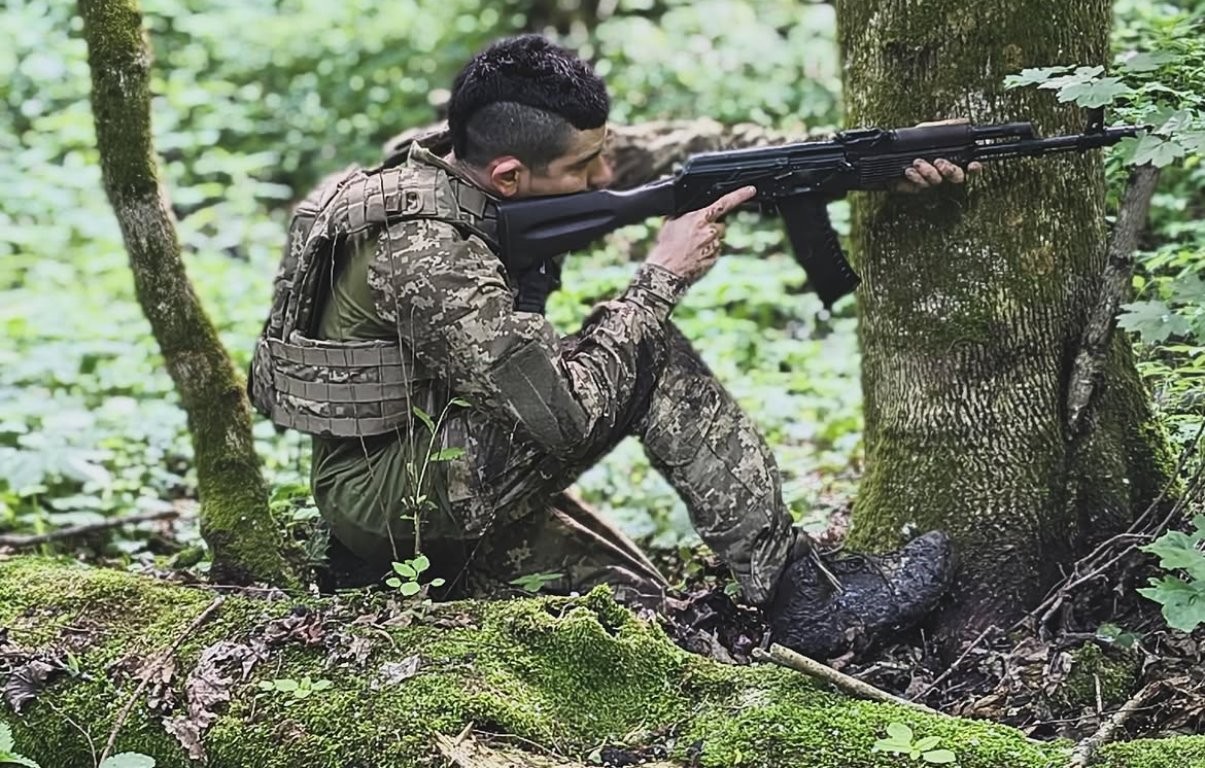
Diana Silva, a mother from Maranhão, Brazil, claims her 24-year-old son, Mateus Sandyel da Costa Campos, died in combat in Ukraine on Friday, May 31st. Mateus, originally from Açailândia, had been studying Civil Engineering at Uemasul before traveling to Ukraine. He reportedly volunteered to join Ukrainian forces on March 26th, attracted by promises of a bonus and a good salary on a six-month contract. However, upon arrival, his mother states he found a reality different from what was presented. Silva learned of her son's alleged death through social media from other Brazilians who were with him. As of the report's publication, neither the Brazilian Ministry of Foreign Affairs nor the Ukrainian Army had officially confirmed his death. The mother was informed that Mateus's body is in a high-risk combat zone under enemy control, hindering immediate recovery efforts. Mateus had spent approximately four months in training before being deployed to the front lines, and his contract was nearing its end. Silva expressed admiration for her son's courage and sacrifice, though she was unaware of the full extent of the dangers he faced. She is now seeking assistance from the Brazilian consulate and a lawyer to navigate the process of recovering his body, which is reportedly difficult and costly to repatriate, with burial in Ukraine as a potential alternative.
This case highlights the complex motivations and perilous realities faced by foreign nationals drawn into international conflicts, particularly the war in Ukraine. Individuals may be attracted by financial incentives or a sense of duty, only to encounter conditions far removed from initial promises. The situation underscores the critical need for robust verification processes by recruitment entities and clear communication channels between foreign fighters, their families, and official military and diplomatic bodies. The delay in confirming Mateus's death and the challenges in recovering his remains point to systemic issues in battlefield casualty management and international repatriation protocols. Future considerations should include enhanced support mechanisms for families of foreign combatants and stricter regulations on recruitment practices to prevent exploitation and ensure accountability.
AI-generated to prompt reflection — not editorial opinion, not advice, not a statement of fact. How this works.
