Brazilian mother invents skin-protecting device for gastrostomy patients while studying
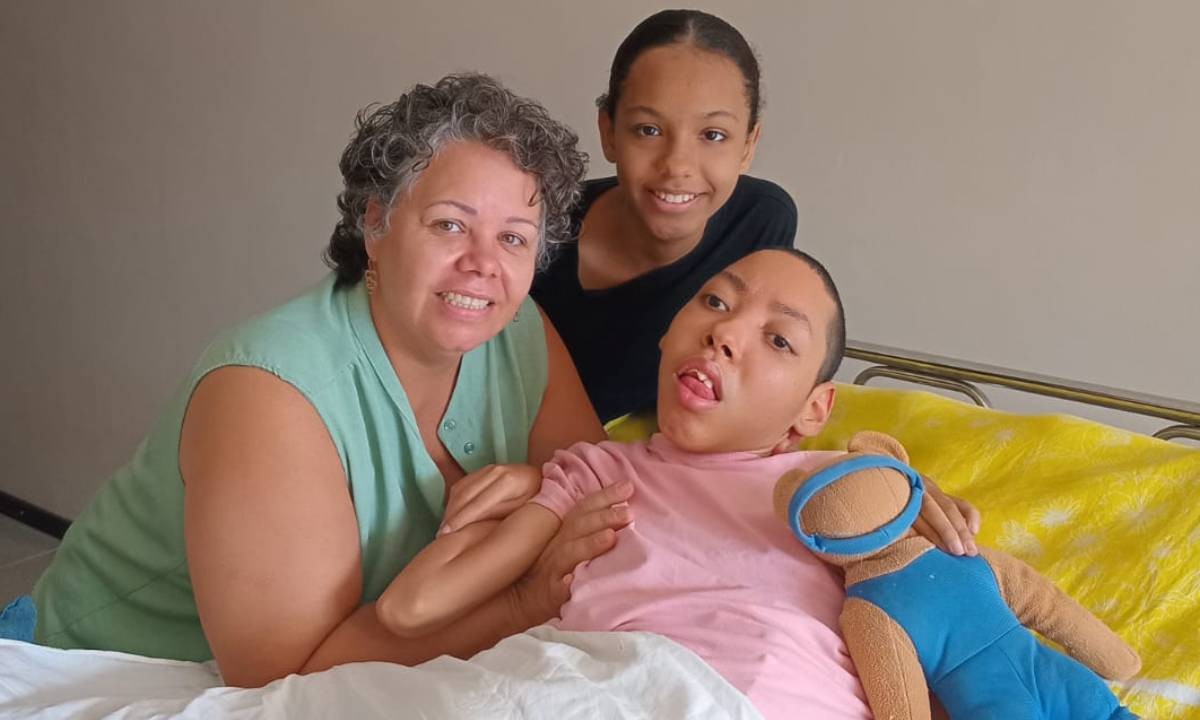
Nilza Carla Leal, a resident of Bahia, Brazil, has developed an innovative dermal absorbent device named JO+ for individuals with gastrostomies, inspired by her son João Pedro's medical needs. João Pedro, who has cerebral palsy, required frequent hospitalizations and a gastrostomy as an infant. During these challenging times, Nilza Carla dedicated her free moments to studying, even while accompanying her son. She is now a researcher, nursing technician, biologist, and pursuing a master's degree. The development of JO+ stemmed from the need to protect the skin around the gastrostomy site, which can develop sores due to leakage and friction from feeding tubes. After being accused of mistreatment due to these skin issues, Nilza Carla sought training and a solution, leading to the creation of JO+. The JO+ device, made from imported polyurethane from China, absorbs gastric fluids and changes color to indicate when it needs to be replaced, improving hygiene and quality of life for patients and caregivers. The production cost per unit is R$4.90, and patients may need up to six per day. Nilza Carla patented the device in 2016 and has conducted field tests with João Pedro and three other individuals. She is currently seeking funding to scale production and commercialize JO+, facing challenges with funding application criteria that require a minimum annual revenue she has not yet achieved. Her future plans include building a factory to produce her own raw materials, which would further reduce costs.
This narrative highlights an individual's resilience and innovation in response to personal challenges within a healthcare system. The development of the JO+ device addresses a clear unmet need for gastrostomy patients, potentially improving patient comfort and reducing caregiver burden. The inventor's journey, marked by personal sacrifice and dedication to education while managing a child's complex medical condition, underscores the significant impact of informal caregiving. However, the story also implicitly points to systemic gaps in patient support and the financial hurdles faced by small-scale innovators seeking to bring essential medical devices to market. Future success will likely depend on navigating regulatory pathways and securing sustainable funding models that acknowledge the societal value of such inventions, moving beyond traditional revenue-based eligibility criteria.
AI-generated to prompt reflection — not editorial opinion, not advice, not a statement of fact. How this works.