Brazilian Navy Concludes Inquiry into Encontro das Águas Boat Sinking; Case Moves to Maritime Court
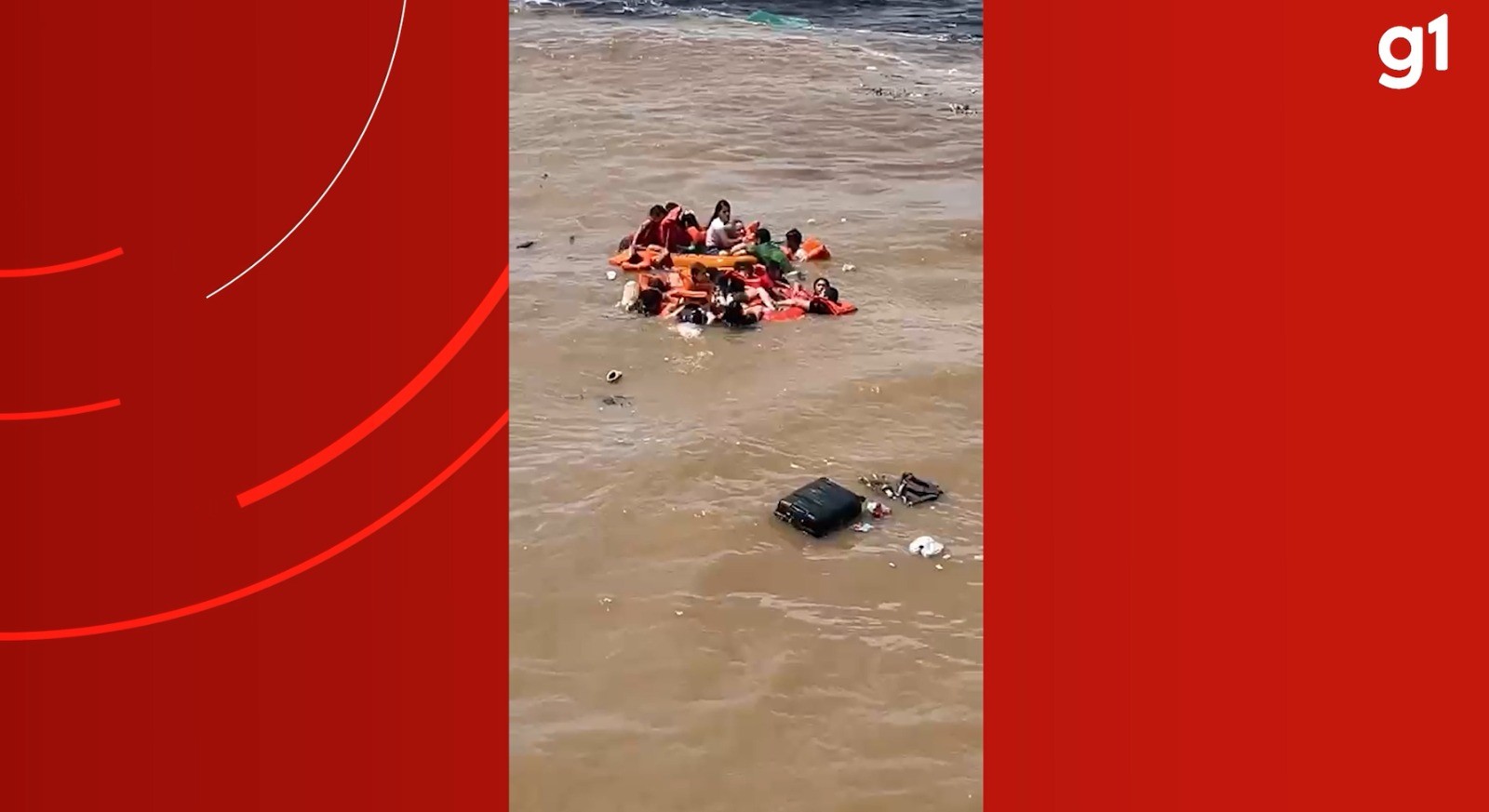
The Brazilian Navy has concluded its investigation into the sinking of the "Lima de Abreu XV" lancha, which occurred on February 13th in Manaus's Encontro das Águas. The inquiry, finalized on July 23rd, has been forwarded to the Maritime Court for further proceedings, though the Navy has not disclosed its specific findings. The vessel, operated by Lima de Abreu Navegações, was en route from Manaus to Nova Olinda do Norte when it sank, resulting in three confirmed fatalities, five individuals still missing, and 71 survivors rescued. The investigation, an Administrative Inquiry into Navigation Accidents and Incidents (IAFN), was initiated to ascertain the circumstances and responsibilities surrounding the tragedy.
Search efforts for the five missing individuals were suspended on July 8th by the Amazonas Military Fire Department after nearly five months, citing the exhaustion of all possibilities for locating them. The search, which commenced on the day of the accident, utilized drones, boats, and sonar equipment. Families of the missing have initiated legal processes, including requesting police reports to file for presumed death. The incident highlighted harrowing rescue efforts, including a five-day-old premature infant being transported in a cooler. Witnesses reported that the pilot was alerted to reduce speed due to strong waves before the sinking.
The pilot of the lancha, Pedro José da Silva Gama, has been indicted on charges of qualified homicide after the Amazonas Justice system accepted a denunciation by the Public Prosecutor's Office. The pilot, who had been a fugitive for over a month, surrendered to authorities and is currently detained. He was initially detained on the day of the accident but later released on bail before a preventive detention order was issued.
The Brazilian Navy's conclusion of its inquiry into the "Lima de Abreu XV" lancha sinking marks a procedural step toward accountability, transferring the case to the Maritime Court. This transition underscores the legal framework designed to investigate maritime accidents and assign responsibility, aiming to uphold navigation safety standards. The extended search period and eventual suspension for the missing individuals highlight the challenging operational environment and the profound human impact of such tragedies. The indictment of the pilot introduces a criminal justice dimension, focusing on individual culpability. Moving forward, the Maritime Court's review will be critical in determining whether systemic issues, such as vessel maintenance, operational protocols, or regulatory oversight, contributed to the disaster, offering insights into potential improvements for future maritime safety in the region.
AI-generated to prompt reflection — not editorial opinion, not advice, not a statement of fact. How this works.