Brazilian Navy Doctor Faces Corruption Charges, Assets Frozen
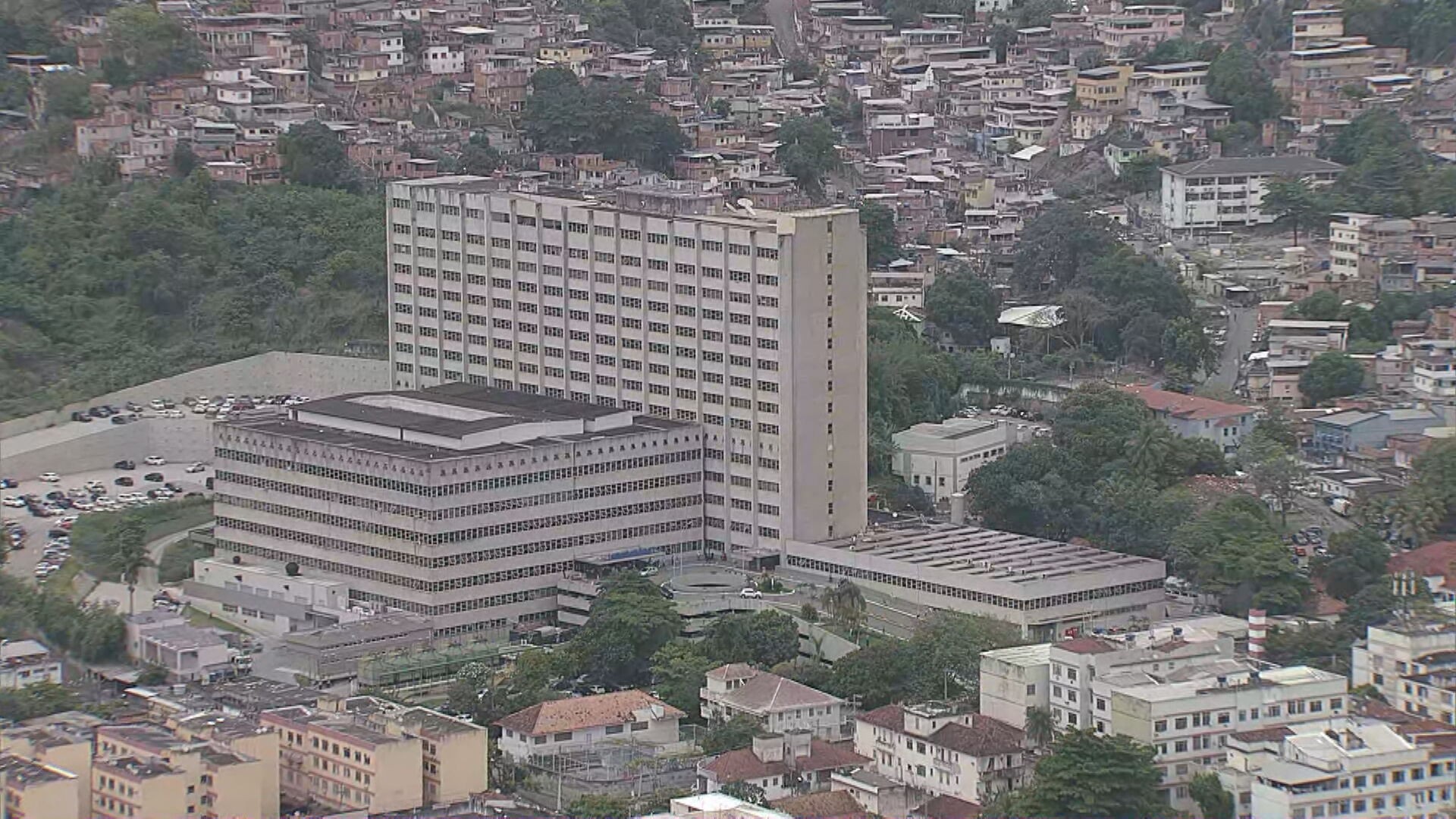
Military justice in Brazil has accepted charges against a Brazilian Navy captain and three representatives from a hospital supply company for their alleged involvement in a corruption scheme at the Naval Hospital Marcílio Dias (HNMD) in Rio de Janeiro. The hospital is a key healthcare facility for the Navy. The court also ordered the freezing of over half a million Brazilian reais from the officer's accounts. This legal action stems from a military police inquiry into irregularities in contracts and the supply of materials for the hospital's Hemodynamics Service, which specializes in cardiovascular and vascular diseases. According to the military prosecutor's office, company representatives allegedly paid bribes to the former head of the hospital's Vascular Surgery Service between June 2010 and April 2018. These payments, totaling nearly R$ 290,000 over 28 investigated instances, were reportedly 10% of the value of purchase orders issued to the company, intended to ensure preference for their products. The businessman leading the supplier is accused of orchestrating these payments, with a partner and a saleswoman allegedly involved in the operational aspects and delivery of funds to the naval officer. The military doctor is accused of using his leadership position to favor the company in acquisition and usage processes for hospital supplies. The businessman, his partner, and the saleswoman face charges of active corruption and criminal organization, while the doctor is charged with passive corruption and belonging to a criminal organization. The court authorized the asset freeze at the prosecutor's request to ensure potential reimbursement to public funds and recovery of illicitly gained assets, totaling R$ 579,445.08, which includes compensation for collective moral damages.
This case highlights systemic vulnerabilities in public procurement and healthcare supply chains, particularly within large institutions like the Brazilian Navy. The alleged scheme, spanning nearly a decade, suggests a potential breakdown in oversight mechanisms and internal controls designed to prevent corruption. The freezing of assets indicates a judicial effort to recoup public funds, underscoring the financial implications of such alleged misconduct. Future reforms might focus on enhancing transparency in bidding processes, implementing stricter auditing protocols for medical supply contracts, and establishing more robust whistleblower protections to encourage early detection of irregularities. The long duration of the alleged scheme also raises questions about the effectiveness of existing anti-corruption frameworks and the need for continuous adaptation to evolving illicit practices.
AI-generated to prompt reflection — not editorial opinion, not advice, not a statement of fact. How this works.