Brazilian Navy Implements New Regulations for Alter do Chão Waterways
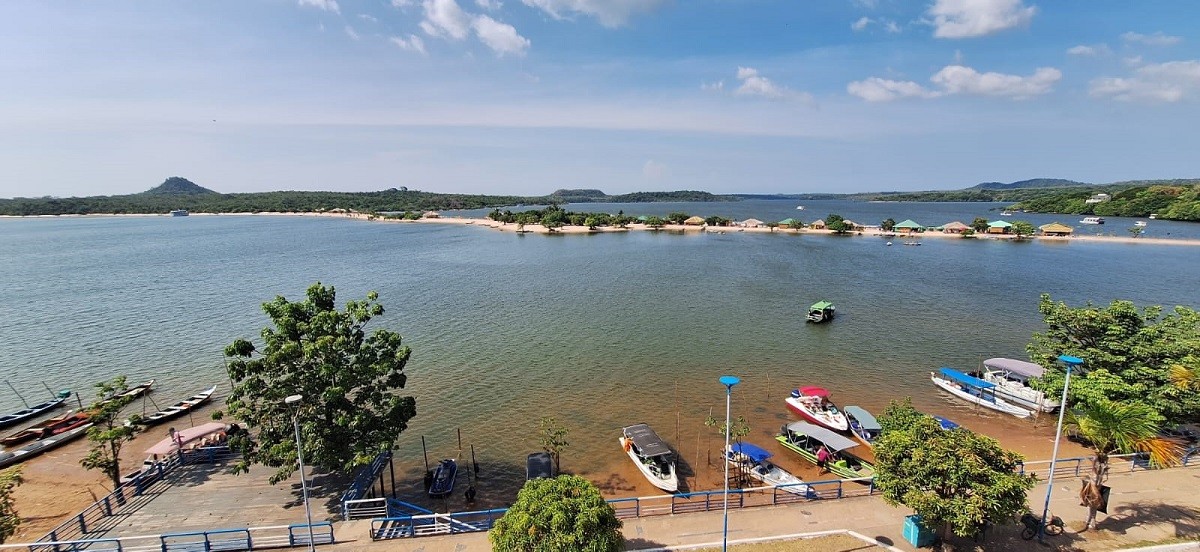
The Brazilian Navy has introduced new, stricter regulations for vessel navigation in Alter do Chão, a popular tourist destination in Pará state. These measures aim to enhance the safety of swimmers and passengers, particularly in the channel leading to Lago Verde and the crossing to Ilha do Amor, especially during peak tourist seasons. The new ordinance, Portaria nº 56/2026, signed by Captain of the Ports of Santarém, Charles Reis de Amorim, took effect on Tuesday, the 22nd, replacing a previous rule from July 2024. It standardizes procedures for all vessels, including passenger boats, canoes, kayaks, and rafts, operating in Alter do Chão and for the Ilha do Amor crossing. A significant change prohibits motorized vessels from operating within 200 meters of the shoreline, restricting their movement to designated terminal approach areas and during departure or arrival at Ilha do Amor. When permitted, vessels must maintain a maximum speed of two knots and a minimum distance of ten meters from swimmers and rocky formations. The Navy emphasizes that vessel operators remain liable for any damage to life, the environment, or third parties, potentially facing criminal charges for endangering river transport. Vessels heading to Lago Verde or the local beaches must now travel at speeds below five knots to reduce accident risks and wave impact near swimming areas. Operations are also contingent on favorable navigation conditions, with wind speeds up to ten knots, wave heights around 30 centimeters, and no forecast of worsening weather. The Capitania Fluvial de Santarém stated that these standardized rules are intended to improve safety for residents, tourists, and water transport operators during Alter do Chão's high season, when vessel and visitor traffic increases substantially. The new regulations have been shared with relevant navigation and tourism bodies, including municipal and state secretariats, local associations, the fire department, and regional marinas.
The Brazilian Navy's updated regulations in Alter do Chão reflect a proactive approach to managing increased tourism and vessel traffic, aiming to mitigate risks in a popular recreational area. By standardizing navigation rules, setting speed limits, and establishing no-wake zones, the authorities are addressing potential conflicts between different water users and environmental impacts. This policy shift highlights the growing challenge of balancing economic development through tourism with the imperative of public safety and ecological preservation in ecologically sensitive and high-traffic fluvial environments. The emphasis on operator liability underscores the legal framework governing waterway safety and the consequences of non-compliance. Future considerations may involve technological solutions for monitoring vessel compliance and further integrating local community input into adaptive management strategies to ensure sustainable tourism.
AI-generated to prompt reflection — not editorial opinion, not advice, not a statement of fact. How this works.