Brazilian NGO and Contractor in Legal Dispute Over R$4.5 Million Wi-Fi Project
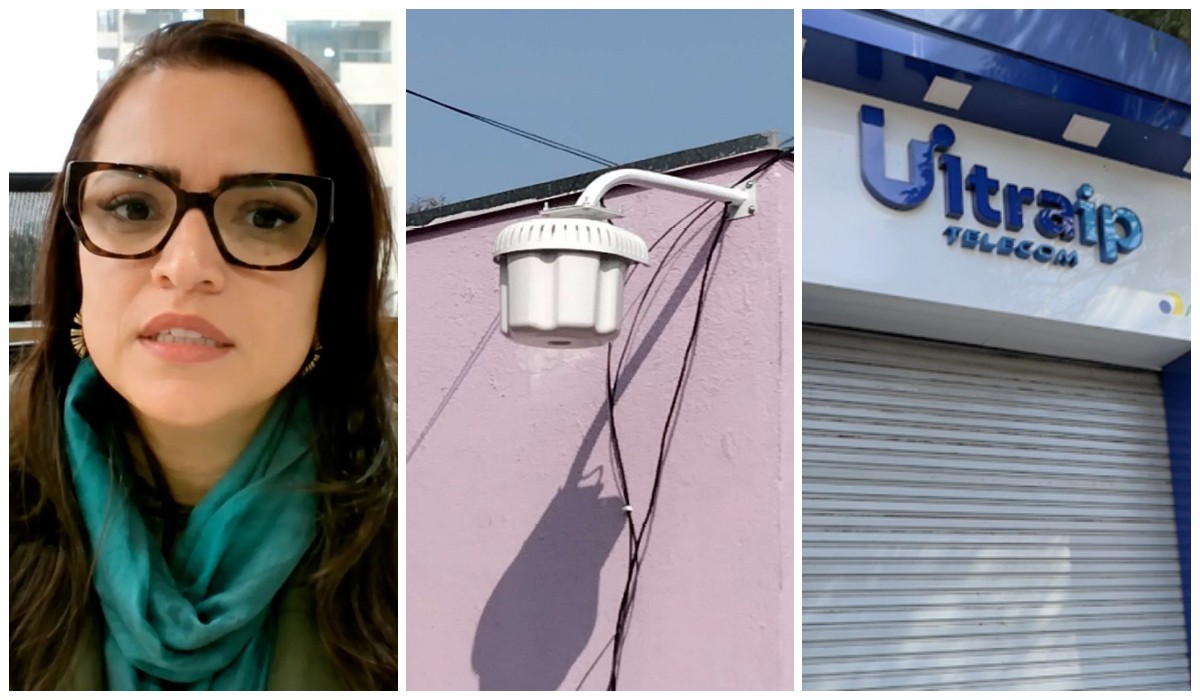
The Instituto Conhecer Brasil (ICB), an NGO led by businesswoman Karina Ferreira da Gama, is embroiled in a legal battle with its contractor, Ultra IP Tecnologia e Serviços Ltda. Ultra IP is suing ICB for R$4.5 million, alleging irregularities in a R$108 million contract with the São Paulo City Hall for the installation of 3,200 public Wi-Fi hotspots. Ultra IP claims it was solely responsible for the installation, but ICB allegedly attributed some services to another company, Favela Conectada Serviços e Tecnologia Ltda., to justify expenses. Ultra IP further alleges that Favela Conectada, which is now under new ownership after its previous owner, Alex Leandro Bispo dos Santos, was arrested on unrelated charges, received R$12 million without performing any work. ICB, in turn, accuses Ultra IP of breaching the agreement, discontinuing approximately 800 internet links, and attempting to extort R$2.5 million from the NGO. Karina Gama also claims the contractor's owner tried to extort over R$2.5 million from her. The São Paulo City Hall is investigating ICB, demanding the return of at least R$906,000 for canceled invoices and justification for R$12 million in other expenses. Karina Gama has also been linked to a scandal involving parliamentary amendments allegedly used to finance the film 'Dark Horse,' with suspicions pointing to politicians from the PL party. The City Hall maintains that ICB is responsible for managing its subcontractors and that the Wi-Fi program is functioning normally, with oversight from various control bodies.
This dispute highlights potential systemic weaknesses in the oversight of public contracts awarded through NGOs. The allegations of a contractor being used as a "front" and potential extortion attempts suggest a need for more robust due diligence and transparency in the selection and monitoring of sub-contractors. The involvement of political figures and parliamentary amendments raises questions about the integrity of funding allocation and potential conflicts of interest. Moving forward, strengthening regulatory frameworks to ensure direct accountability for service delivery, regardless of the intermediary organization, and implementing independent auditing mechanisms could mitigate risks of financial impropriety and ensure public funds are used effectively for intended community benefits.
AI-generated to prompt reflection — not editorial opinion, not advice, not a statement of fact. How this works.