Brazilian Olympic Marathoner Daniel Nascimento Found Alive After 44 Days Missing
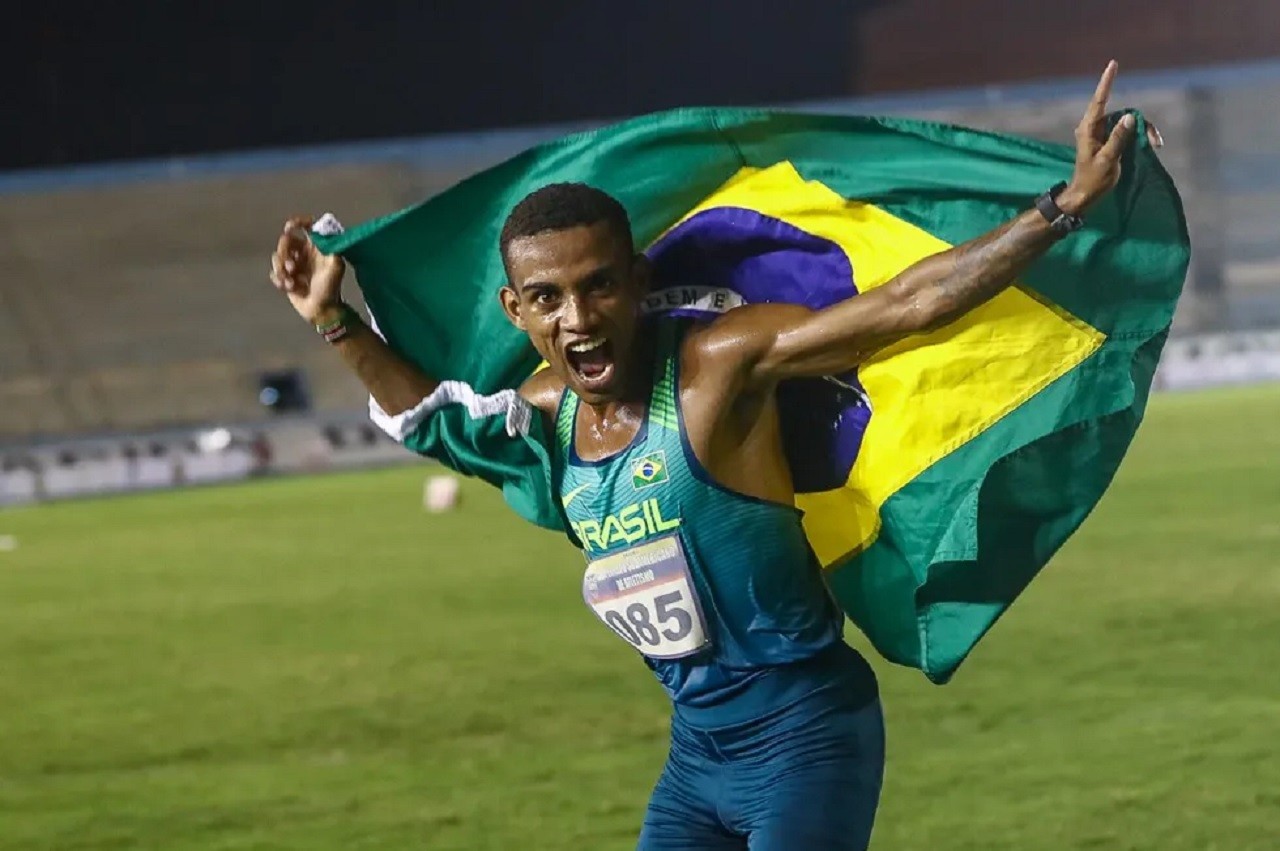
Brazilian Olympic marathoner Daniel Ferreira do Nascimento, 28, was found alive on Saturday, July 1st, after being missing for 44 days. He was recognized by a pedestrian in the eastern zone of São Paulo. Nascimento was last seen leaving his home in Paraguaçu Paulista, São Paulo, on June 19th, carrying only a black backpack and telling his mother he intended to travel. He had moved to Paraguaçu Paulista earlier in 2024 to live with his family after being suspended from athletics due to a doping violation. Known as "Danielzinho," he had been assisting his mother with cassava processing activities in the rural area. Nascimento represented Brazil at the Tokyo Olympics in 2021 and previously held the Brazilian and South American marathon records, with a time of 2 hours, 4 minutes, and 5 seconds set in South Korea. His promising career was halted when three prohibited substances were found in his system in 2024, leading to a five-year ban until July 2029, confirmed by the Athletics Integrity Unit (AIU). His mother, Valdirene de Paula Ferreira, stated he was a good boy and sometimes trained secretly. Upon being found, Nascimento was physically well and his identity was confirmed by the Metropolitan Civil Guard. He was taken to the 30th Police District in Tatuapé, where his family reunited with him.
The reappearance of Daniel Ferreira do Nascimento after a prolonged disappearance highlights the complex interplay between elite athletic careers, personal well-being, and the pressures of competitive sports. His suspension for doping, followed by a period of assisting with agricultural work, suggests a significant personal transition. The incident raises questions about the support systems available to athletes facing career disruptions, particularly after doping sanctions, and how these transitions impact mental and physical health. Future considerations for sports organizations might include enhanced psychological support and career transition programs for athletes, ensuring their welfare extends beyond performance metrics and adheres to evolving anti-doping regulations.
AI-generated to prompt reflection — not editorial opinion, not advice, not a statement of fact. How this works.