Brazilian Operation Distrato Uncovers Alleged Tax Fraud Scheme with Elaborate Goal Setting
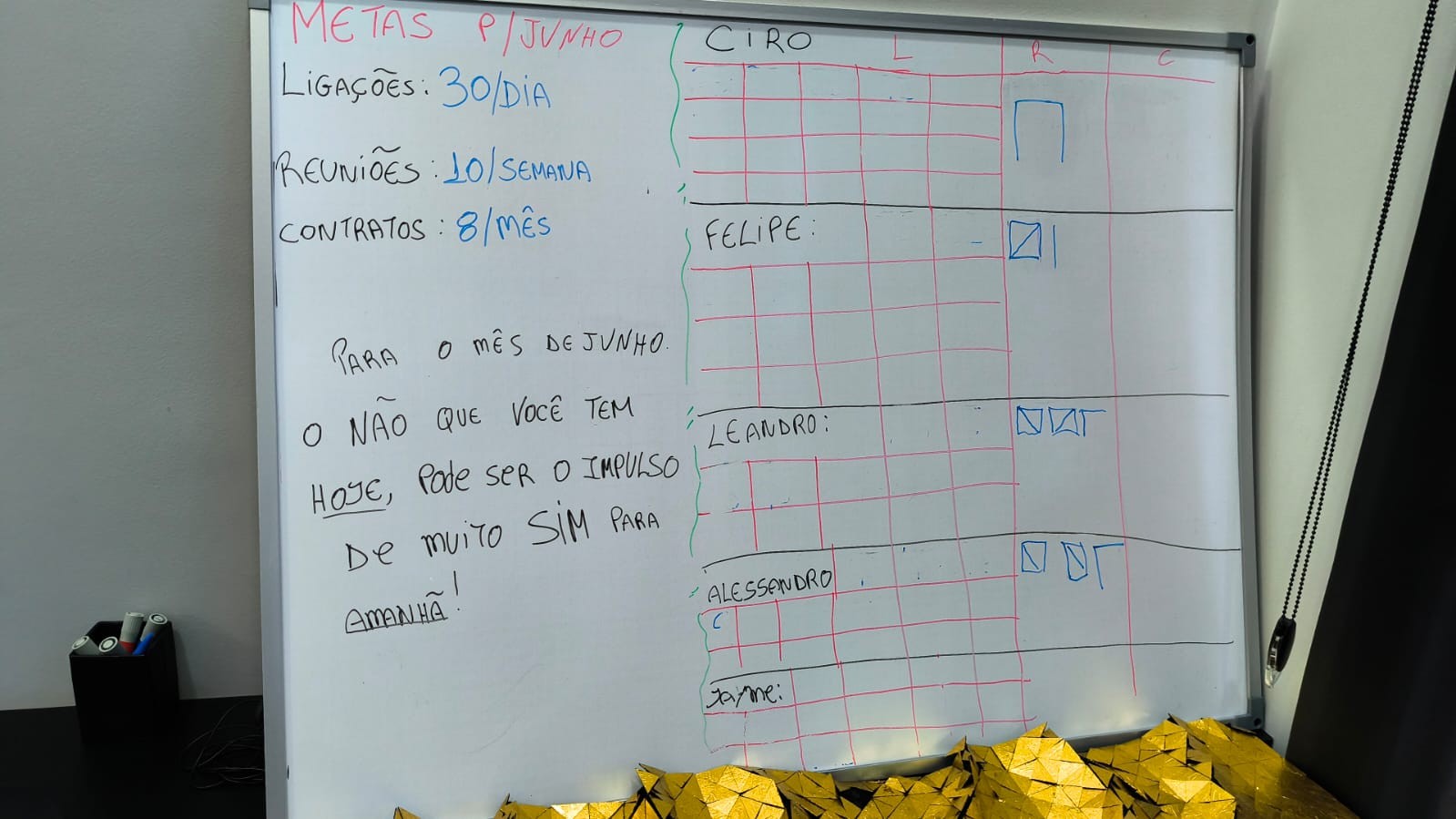
Investigators in Brazil's Operation Distrato have uncovered what they allege to be a sophisticated tax fraud operation, centered around a law office linked to attorney Mayra Fahur de Paula. Whiteboards within the office reportedly displayed specific daily, weekly, and monthly targets for executing federal and state tax fraud schemes. These goals included making 30 calls daily, holding 10 weekly meetings, and closing eight contracts per month. The operation revealed a division of labor, with five lawyers allegedly focused on federal fraud and two on ICMS (state VAT) related crimes. The investigation, led by the Interinstitutional Committee for Asset Recovery (Cira-SP), targets an organization suspected of evading R$ 3.8 billion in ICMS credits. Authorities executed 38 search and seizure warrants across São Paulo and Paraná, targeting law firms, consultancies, and intermediaries accused of simulating tax credits to reduce state tax liabilities. Investigators described Mayra Fahur's office as part of a larger financial ecosystem connected to lawyer and businessman Nelson Wilians. During the raids, Mayra allegedly ordered employees to remotely erase server data to destroy evidence. The economic group around Wilians is described as highly organized, with a clear separation of strategic direction, operational execution, and asset protection under centralized command. The organization reportedly used shell companies and inactive entities to issue fake tax documents, using luxury vehicles and helicopters during client meetings to appear credible. An email from Mayra de Paula on May 27, 2024, allegedly confirms her role as a liaison between legal discourse and the execution of fraud. The investigation also noted an unusual diversification of assets, including a fleet of luxury vehicles and aircraft linked to the economic group. The Nelson Wilians Advogados firm stated that the operations were the sole responsibility of De Paula Advogados & Consultoria Jurídica, denying any corporate ties and asserting they ended their partnership upon identifying inconsistencies. De Paula Advogados claims its participation was strictly technical-legal within a complex chain of services devised by third parties, and that attributing full responsibility to their office distorts reality. The state government emphasized a meticulous investigation to distinguish conscious wrongdoers from those potentially misled in good faith.
The alleged scheme in Operation Distrato highlights the potential for complex financial and legal structures to obscure illicit activities. The detailed goal-setting and task division suggest a systematic approach to tax evasion, moving beyond isolated incidents to an organized enterprise. The reported use of luxury assets and sophisticated operational structures indicates an effort to project legitimacy and ensure asset protection, raising questions about the effectiveness of current regulatory oversight in detecting such sophisticated operations. The alleged attempt to destroy evidence underscores the importance of robust digital forensics and data preservation protocols in combating financial crime. Future regulatory frameworks may need to address the integration of legal services with financial engineering to prevent the misuse of professional expertise for fraudulent purposes.
AI-generated to prompt reflection — not editorial opinion, not advice, not a statement of fact. How this works.