Brazilian photographer captures artful caterpillars in Japan
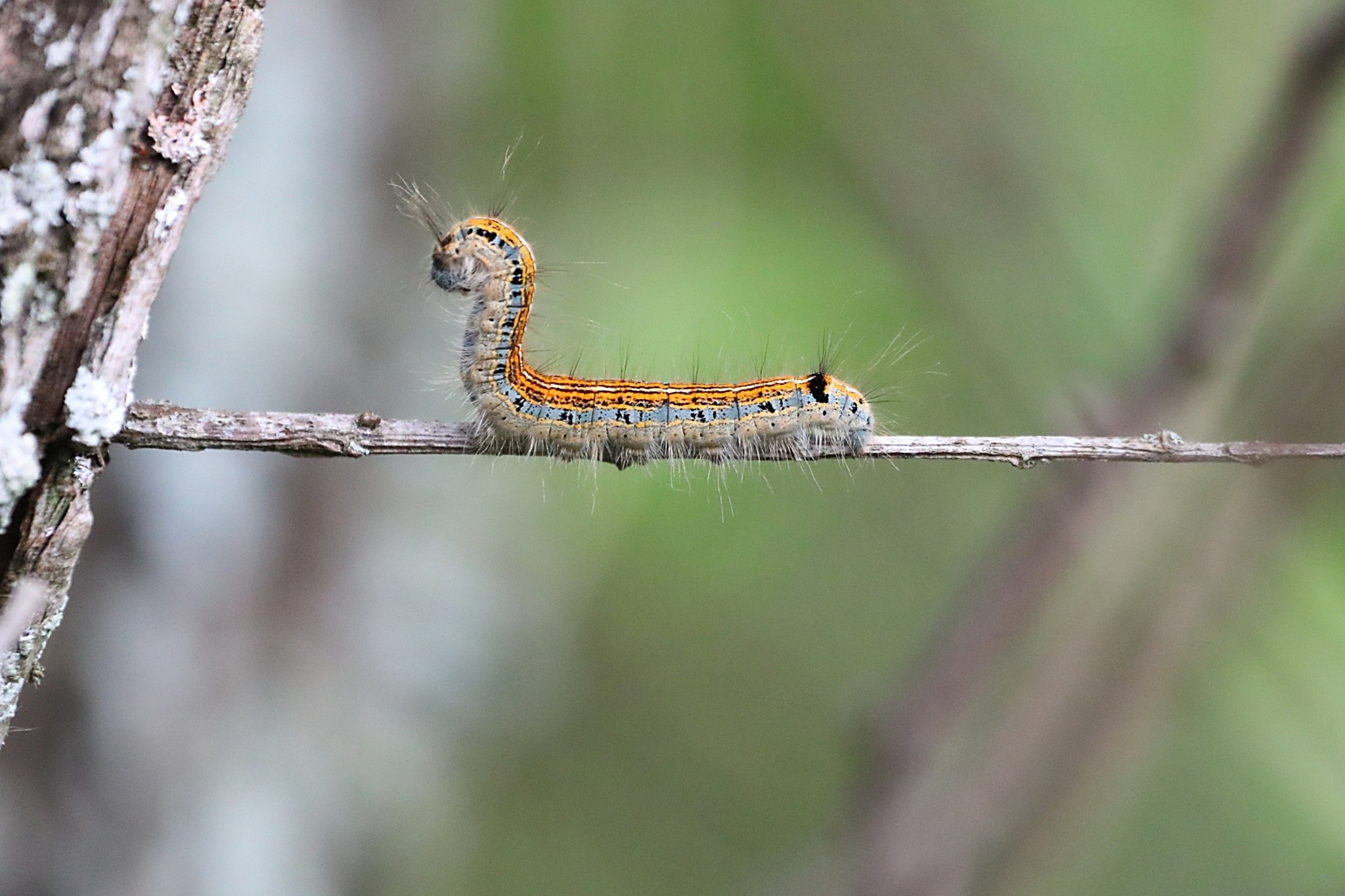
Brazilian photographer Aline Horikawa, residing in Japan, has dedicated herself to capturing the intricate beauty of caterpillars, often overlooked creatures in the natural world. Her passion, which began years ago in Brazil, intensified in Japan during the spring and summer seasons. Horikawa finds immense fascination in observing the life cycle of these insects, documenting their transformation into butterflies and moths. Her personal collection, amassed since 2018, features over 250 species photographed across various Japanese provinces, including Shiga, Kyoto, and Osaka. She typically finds caterpillars on leaves in urban parks and mountain trails, but also observes them on trunks, branches, and the ground. Horikawa's work highlights the incredible diversity, vibrant colors, unique textures, and camouflage strategies of caterpillars, which she likens to natural works of art. She shares her findings on citizen science platforms like iNaturalist and Biofaces, aiming to spark public curiosity about these vital yet undervalued organisms. Beyond their aesthetic appeal, caterpillars play a crucial ecological role as a food source for various animals and as pollinators through their adult butterfly and moth forms. Horikawa also reflects on the life lessons provided by caterpillar metamorphosis, emphasizing the importance of patience and process in achieving transformation.
This photographic project by Aline Horikawa underscores the ecological significance of often-underappreciated species, such as caterpillars. By focusing on their diversity and visual appeal, the initiative can foster greater public appreciation for biodiversity and the intricate roles organisms play within ecosystems. Documenting these creatures, particularly through citizen science platforms, contributes valuable data for environmental monitoring and conservation efforts. The project's emphasis on metamorphosis also offers a metaphorical lens through which to view natural processes of change and development, prompting reflection on patience and transformation in broader contexts. This work serves as a reminder that comprehensive ecological understanding requires attention to all life stages and scales, from the smallest invertebrates to larger fauna.
AI-generated to prompt reflection — not editorial opinion, not advice, not a statement of fact. How this works.