Brazilian Physiotherapist in Japan Describes Life Amidst Frequent Earthquake Alerts
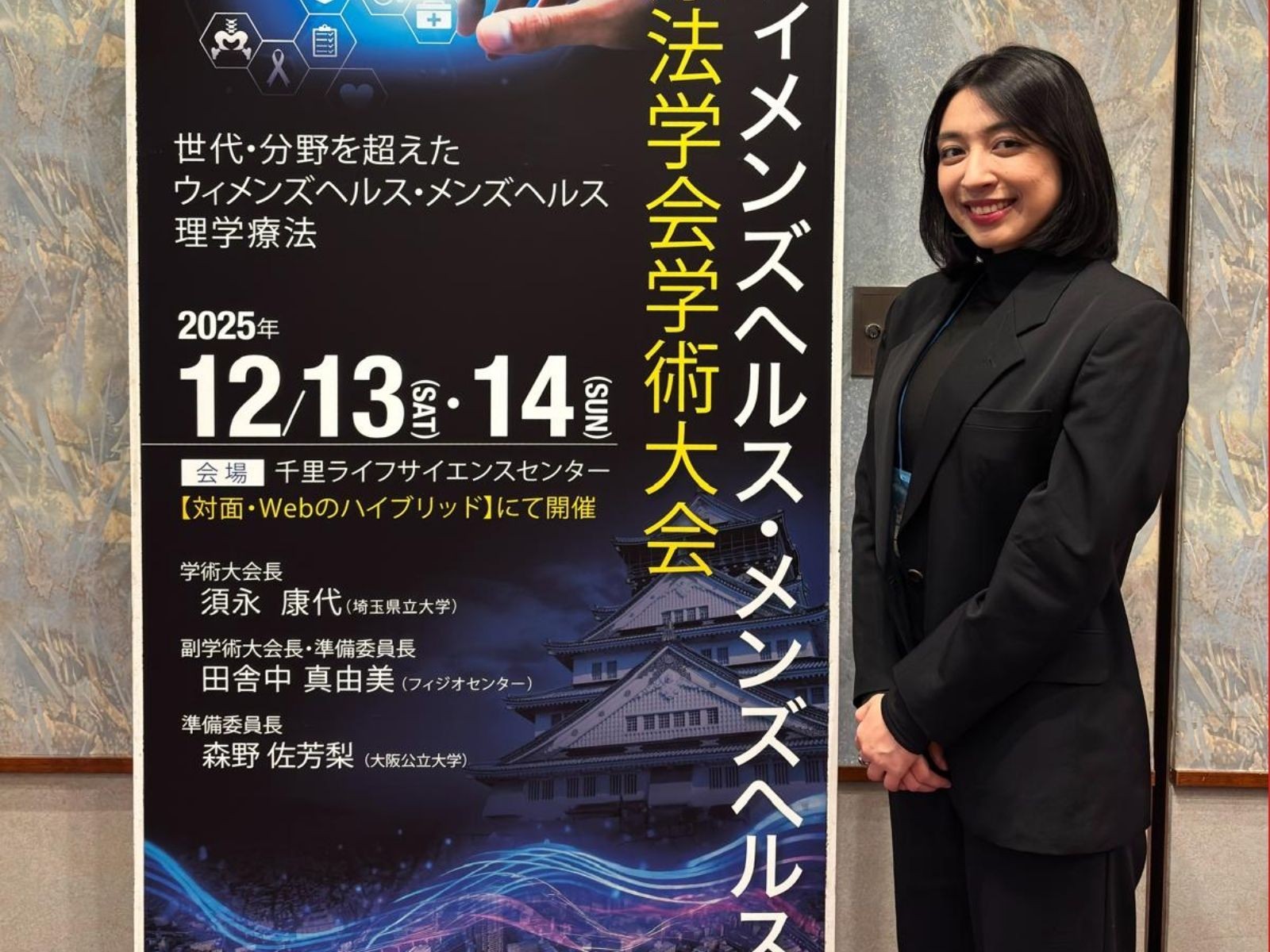
Asami Takahara, a 29-year-old physiotherapist from Acre, Brazil, living in Osaka, Japan, for two and a half years, has adapted to a routine of vigilance due to frequent earthquakes. Although she resides away from the epicenter of the recent magnitude 7.1 earthquake in Kumamoto province that caused fatalities and injuries, Takahara states that minor tremors are a regular occurrence for residents. She has received alerts about potential typhoons, which necessitate staying home or seeking shelter and can disrupt public transportation. While she has not yet had to flee or seek immediate shelter from an earthquake, the recurring small shakes are still startling. Takahara recounted an experience where her apartment building swayed for about 15 seconds, explaining that while frightening, the building's resilience demonstrated its preparedness for such events. Upon moving to Osaka, she was informed about local shelters and the importance of maintaining emergency kits with essentials like flashlights, first-aid supplies, water, and food. Despite training and preparation, she admits that even minor tremors induce fear. She maintains daily contact with her family in Acre, updating them on her situation, though sometimes they learn of events through news before she can inform them. The recent earthquake in southern Japan resulted in 13 deaths, damaged infrastructure including roads, bridges, and buildings, and prompted over a hundred aftershocks, with warnings of further seismic activity.
This account highlights the psychological toll and adaptive strategies employed by individuals living in seismically active regions. The narrative underscores the tension between technological preparedness in modern infrastructure, designed to withstand seismic events, and the inherent human fear and 'startle' response that even minor tremors can elicit. It also touches upon the importance of robust communication channels between expatriates and their families during natural disasters, illustrating how news dissemination can outpace personal updates. From a systems perspective, the event prompts reflection on the efficacy of public warning systems and emergency preparedness protocols, not just in terms of physical safety but also in mitigating the pervasive anxiety associated with frequent natural hazard alerts. The interplay between perceived risk, actual threat, and societal resilience is a critical area for ongoing study in disaster management and urban planning.
AI-generated to prompt reflection — not editorial opinion, not advice, not a statement of fact. How this works.