Brazilian Pit Viper's Venom Genes Mapped in Groundbreaking Genetic Study
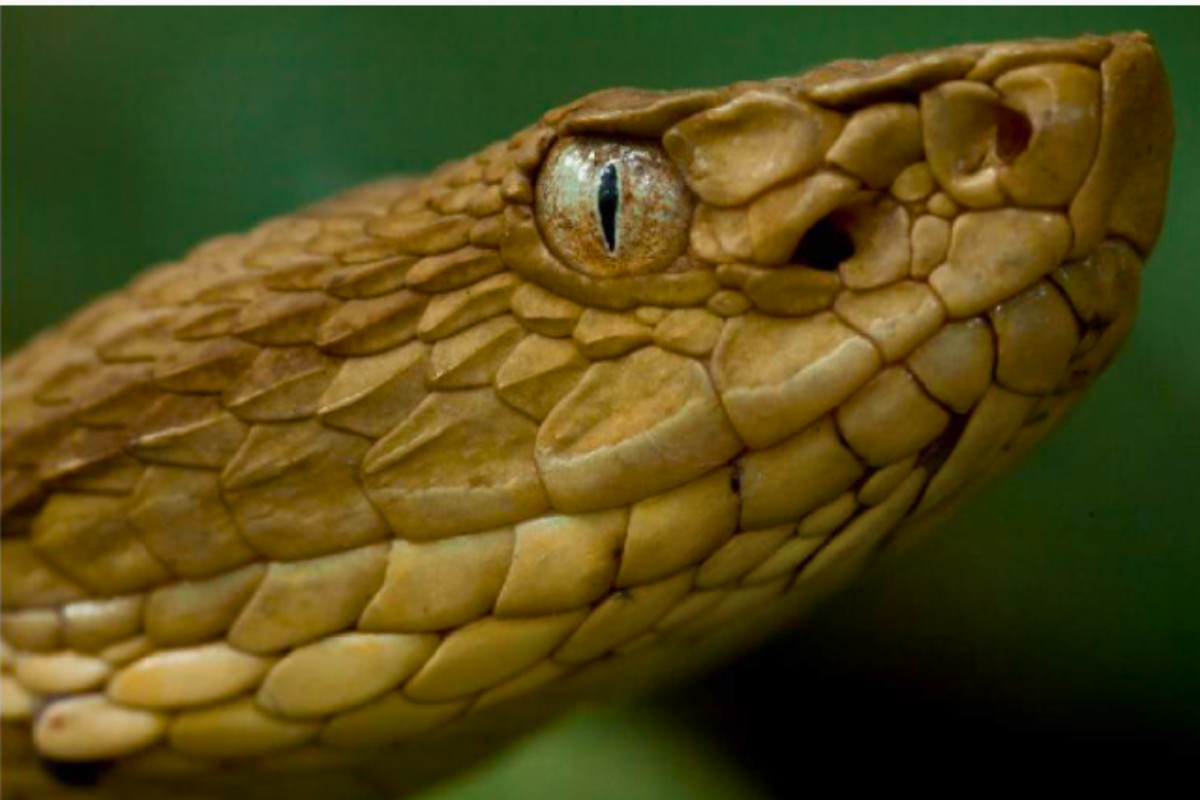
Researchers at the Butantan Institute in Brazil have completed the most comprehensive genetic sequencing of the island pit viper (Bothrops insularis), an endemic species found exclusively on Queimada Grande Island off the coast of São Paulo. This pioneering study meticulously details the genes responsible for producing the snake's venom, offering crucial insights into the evolution of venom in one of Brazil's rarest snake species. The research focused on the entire genome, providing a macro-level understanding of the snake's genetic makeup. Notably, the venom-related genes identified are shared with 48 other species within the Bothrops genus, including various jararacas, jararacuçus, and urutus. The study employed advanced technologies like HiC (High-throughput Chromosome Conformation Capture) to map DNA sequences at the chromosomal level, enabling researchers to pinpoint the location of key genes and their regulatory elements. This advanced mapping is vital for understanding how venom genes are organized and how they differ across related species. The investigation specifically aimed to unravel the 'genetic architecture' of the island pit viper's venom, concentrating on toxin and protein-producing genes. This allows for comparisons with continental pit vipers, particularly the closely related Bothrops jararaca, to identify unique evolutionary pathways. While previous research in 2002 by the Butantan Institute had analyzed the venom gland's RNA to infer toxin composition, this new genomic study provides a far more detailed and foundational understanding. The isolation of the island pit viper on Queimada Grande Island, often called 'Snake Island' due to its high snake density, is believed to have driven subtle evolutionary changes in its venom. These changes, though minor, involve specific amino acid alterations in toxins that suggest natural selection pressures at play, potentially linked to its diet of birds. The study acknowledges that while the venom remains highly effective against both birds and rodents, similar to its continental relatives, behavioral adaptations, such as arboreal hunting and unique prey-capture techniques, also contribute to its survival. The definitive isolation of the island population approximately 15,000 years ago, likely due to rising sea levels, is considered a more plausible explanation for its distinctiveness than random oceanic drift.
This study provides a detailed genetic blueprint of the island pit viper's venom, offering a rational basis for understanding its evolutionary trajectory. By mapping venom-related genes at the chromosomal level, researchers can identify specific evolutionary pressures that may have led to subtle but significant adaptations. The analysis highlights the interplay between genetic predisposition and environmental factors, such as the island's unique ecosystem and prey availability, in shaping the snake's venom. Future research could explore how these genetic differences influence the venom's efficacy against various prey species and potential applications in medicine or biotechnology. Understanding these evolutionary dynamics is crucial for conservation efforts and for predicting how species might adapt to ongoing environmental changes, including those driven by human activity.
AI-generated to prompt reflection — not editorial opinion, not advice, not a statement of fact. How this works.