Brazilian Police Boost Security for World Cup Match After Interior Violence
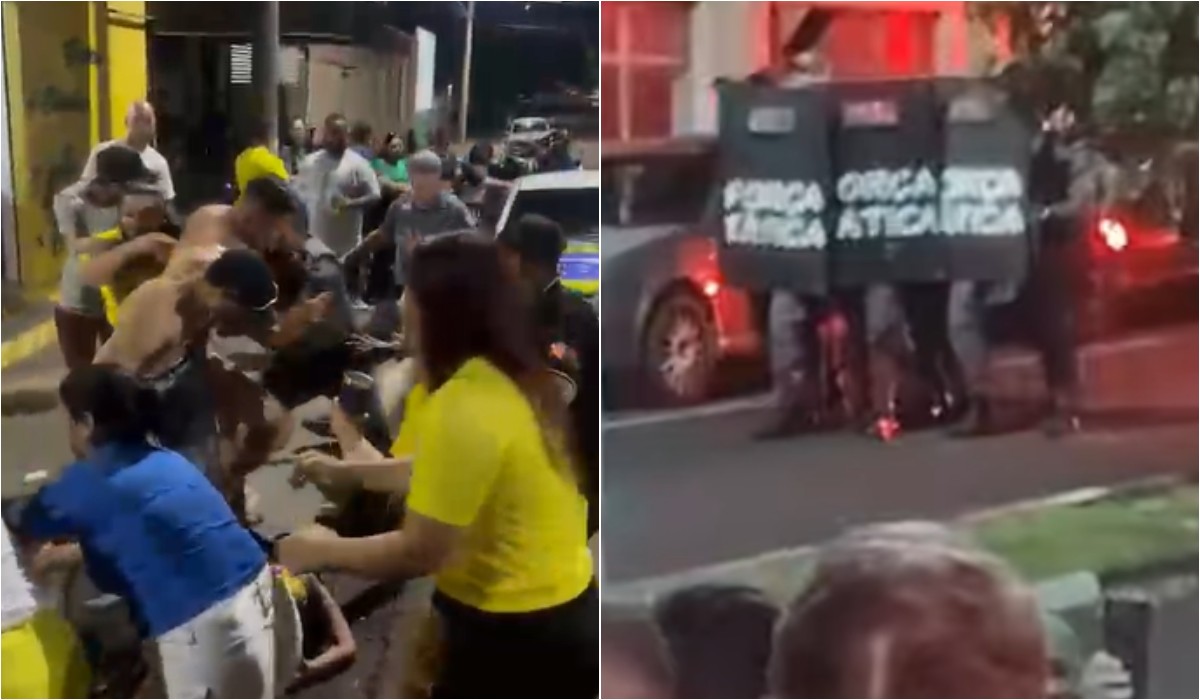
The Military Police in São Paulo's Oeste Paulista region are implementing a special security plan for Brazil's upcoming World Cup match against Norway, following recent violent incidents during fan celebrations. Disturbances were reported in Presidente Prudente and Rosana, prompting authorities to increase vigilance to prevent further disorder. Captain Moisés Donizete Marengoni Machado stated the operation aims to ensure public safety during the festivities, urging fans to respect establishment boundaries and avoid obstructing public roadways, particularly Avenida da Saudade in Presidente Prudente. This street is a crucial access route to hospitals and other neighborhoods. The enhanced security measures will cover the entire city, including the central area and neighborhoods where large groups of fans are expected to gather. The police emphasized that regular laws remain in effect, and citizens can report disturbances. Fans are advised to celebrate on sidewalks to maintain traffic safety. The special operation follows two specific incidents: on June 19, following Brazil's victory over Morocco, a celebration on Avenida da Saudade escalated into a confrontation between bar patrons and police, involving projectiles and the eventual use of tear gas and stun grenades. No injuries or damage were reported, but charges of resistance and disobedience were filed, and a shisha bar was fined for operating without a license. Ten days later, on June 29, a post-match gathering in Rosana after Brazil's win against Japan devolved into a brawl, injuring a 21-year-old woman. Police intervened to clear a blocked street, leading to the fight. The woman was hospitalized with a head injury, and the alleged assailant's details were recorded for investigation. The Civil Police are investigating the Rosana incident, awaiting forensic reports to determine further actions.
The events highlight a recurring tension between public celebration and public order, particularly during major sporting events. While fan enthusiasm is a natural byproduct of national team success, the incidents underscore the need for robust crowd management strategies that balance freedom of assembly with the safety and convenience of the broader community. The police response, involving crowd dispersal tactics, suggests a reactive approach to pre-existing issues of unauthorized road closures and public disturbances. Future planning could benefit from proactive engagement with fan groups and event organizers to establish clear guidelines and safe celebration zones, potentially mitigating the need for forceful intervention and reducing the risk of escalation. This also points to the importance of clear communication regarding legal boundaries and the consequences of violating them, ensuring that celebratory freedoms do not infringe upon the rights and safety of others or essential public services.
AI-generated to prompt reflection — not editorial opinion, not advice, not a statement of fact. How this works.