Brazilian Police Identify 3 of 5 Acre Nationals Killed in Bolivia Blaze
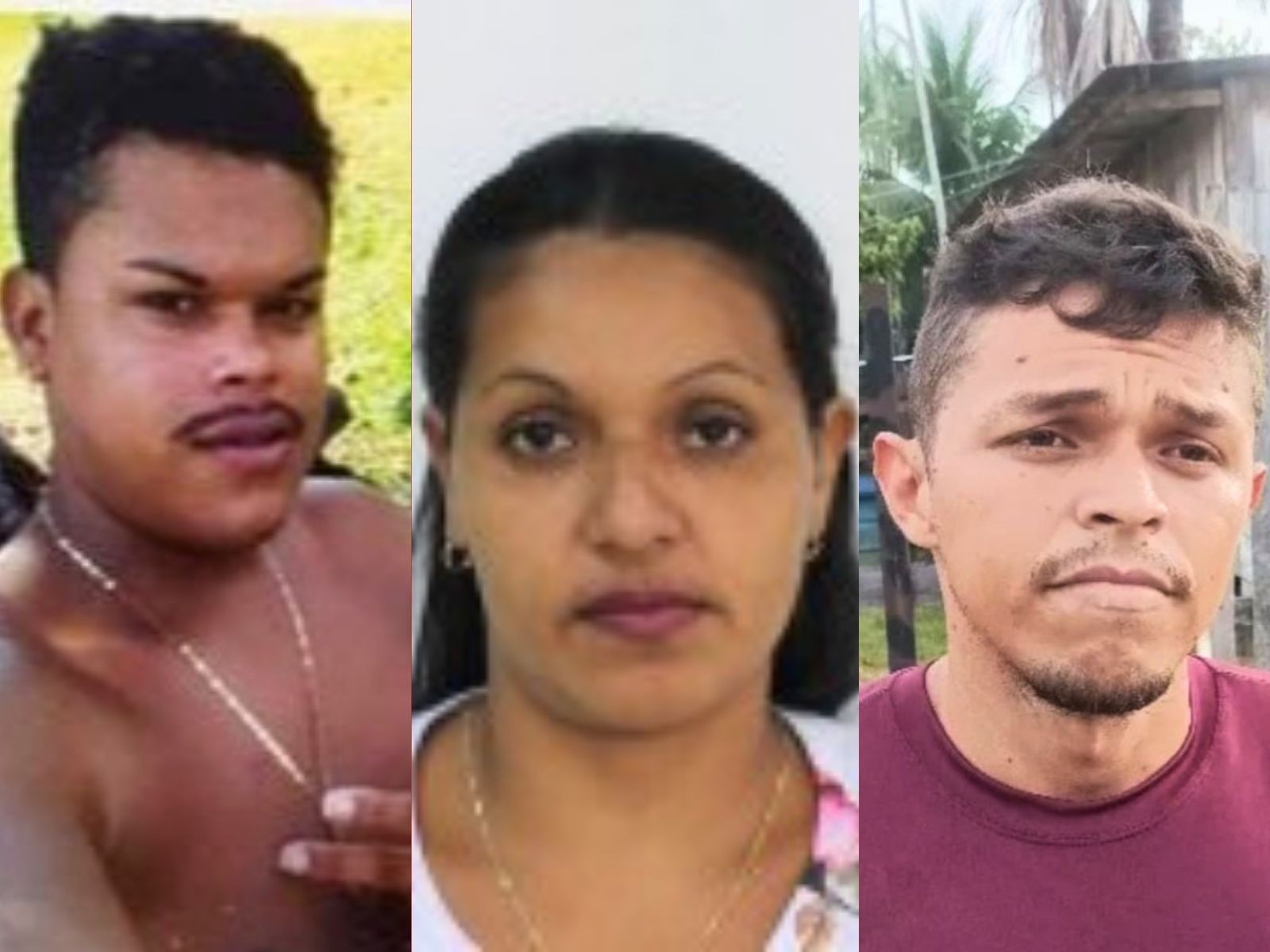
Brazilian Civil Police have identified three of the five Acre nationals whose bodies were found carbonized in Bela Flor, Pando, Bolivia, nearly a year after the incident. The victims identified are Leonardo Vinicius Costa de Lima, Raimundo Nonato do Nascimento Oliveira, and his wife, Ana Ires Assis de Souza. These individuals were among five Acre nationals present in a residence when a confrontation occurred, leading to the house being set on fire and the occupants being burned. Authorities suspect the incident stemmed from a dispute among fugitives from Acre prisons who were hiding in the house, a known refuge for fugitives. The victims reportedly caused losses to a criminal faction and had been expelled from the group. Raimundo Nonato and Leonardo Vinicius were fugitives from Brazilian justice, allegedly involved in at least 20 homicides in Acre. The remaining two bodies, suspected to be Johnatan Silva Magalhães and Geovani Costa Almeida, remain unidentified due to extensive burning. The identification process involved DNA testing at the Forensic Analysis Institute (IAF), with a full report expected from the Legal Medical Institute (IML) by the end of the month. One suspect involved in the crime is already in custody for other offenses, while an accomplice, believed to be a drug trafficking leader in the border region, remains at large in Bolivia. The confrontation took place on August 5th, with local police and Bolivian National Police investigating the remote rural area. Witness accounts from individuals of Brazilian, Bolivian, and dual nationality at the time offered no direct information about the crime.
This case highlights the complex transnational challenges in law enforcement when dealing with organized crime and fugitive populations across borders. The incident underscores the risks associated with individuals evading justice, creating volatile situations in neighboring territories. The prolonged identification process, complicated by the extreme nature of the crime scene, points to the need for enhanced forensic cooperation and resource allocation for cross-border investigations. Future efforts could focus on strengthening intelligence sharing mechanisms between Brazil and Bolivia to proactively address fugitive networks and prevent such violent outcomes, particularly in regions known for illicit activities. Understanding the internal dynamics of criminal factions and their territorial disputes is crucial for developing effective strategies to maintain public safety and uphold legal jurisdiction.
AI-generated to prompt reflection — not editorial opinion, not advice, not a statement of fact. How this works.