Brazilian Police Investigate Criminal Faction's Influence on 2024 Itapoá Elections
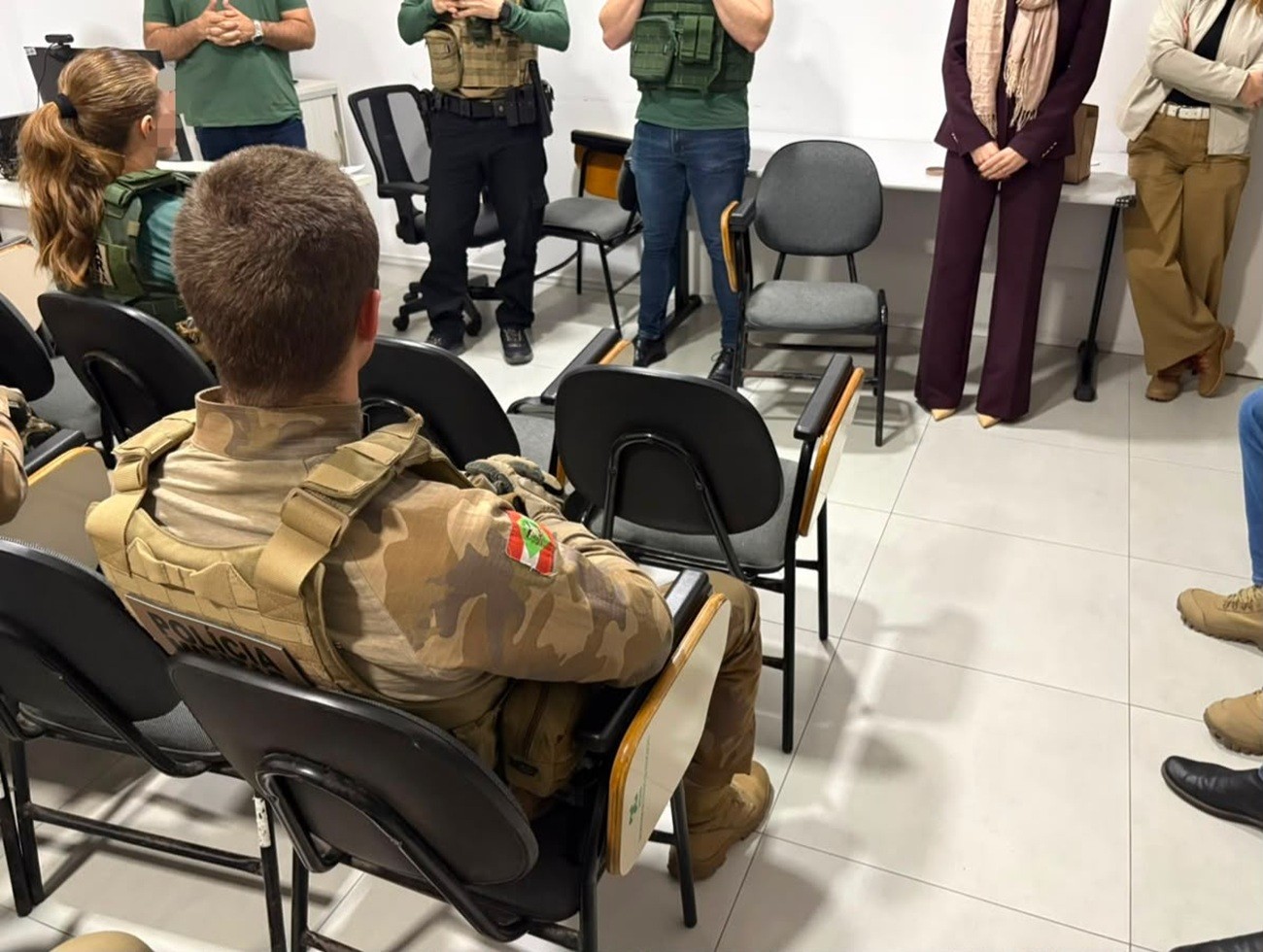
An operation named "Catilina" has been launched by the Gaeco task force to investigate the infiltration of a criminal faction into the political landscape of Itapoá, a coastal city in Santa Catarina, Brazil. Evidence suggests that residents were coerced into supporting specific candidates favored by the criminal group during the 2024 elections. The faction allegedly distributed benefits and aid in communities under their control to secure this support. Furthermore, individuals opposing the faction faced intimidation and threats from its members. While the names of those targeted have not been released, the operation involved executing eight search and seizure warrants at locations linked to three individuals under investigation. Notably, the office of a city councilor was reportedly a target of this action. Itapoá, situated in the northern part of Santa Catarina, boasts the state's longest coastline, stretching 32 kilometers and bordering Paraná, with a population of approximately 30,000. The Itapoá municipal government stated they learned of the operation through the media and that the inquiry is currently confined to the legislative branch. The Public Prosecutor's Office, which oversees Gaeco, indicated there are signs of a criminal organization aiming to influence local politics through candidate endorsement and actions to solidify territorial control. This investigation is an extension of a previous operation, "Vicker's," initiated in May 2024, which targeted criminal organizations in northern Santa Catarina. During that operation, investigators uncovered connections between involved parties, political figures, private businesses, and faction members, all working to strengthen the group's interests. Seized materials will undergo forensic analysis to support further investigation and identify additional individuals involved.
This investigation into alleged election interference by a criminal faction in Itapoá highlights the persistent challenge of organized crime seeking to influence public governance. The Gaeco operation points to a potential systemic vulnerability where illicit organizations leverage coercion and resource distribution to manipulate electoral outcomes, thereby consolidating territorial and political power. Such activities undermine democratic processes and the rule of law, creating an environment where public officials may be compromised. Moving forward, strengthening oversight mechanisms, enhancing transparency in campaign finance, and robustly prosecuting those who engage in vote-buying or intimidation are crucial. Future efforts should also focus on community resilience and civic education to counter such external pressures, ensuring that political participation remains free and fair, particularly in regions with limited state capacity or historical challenges with organized crime.
AI-generated to prompt reflection — not editorial opinion, not advice, not a statement of fact. How this works.