Brazilian Police Raid Ex-Wife's Apartment of US-Sanctioned Businessman Linked to PCC
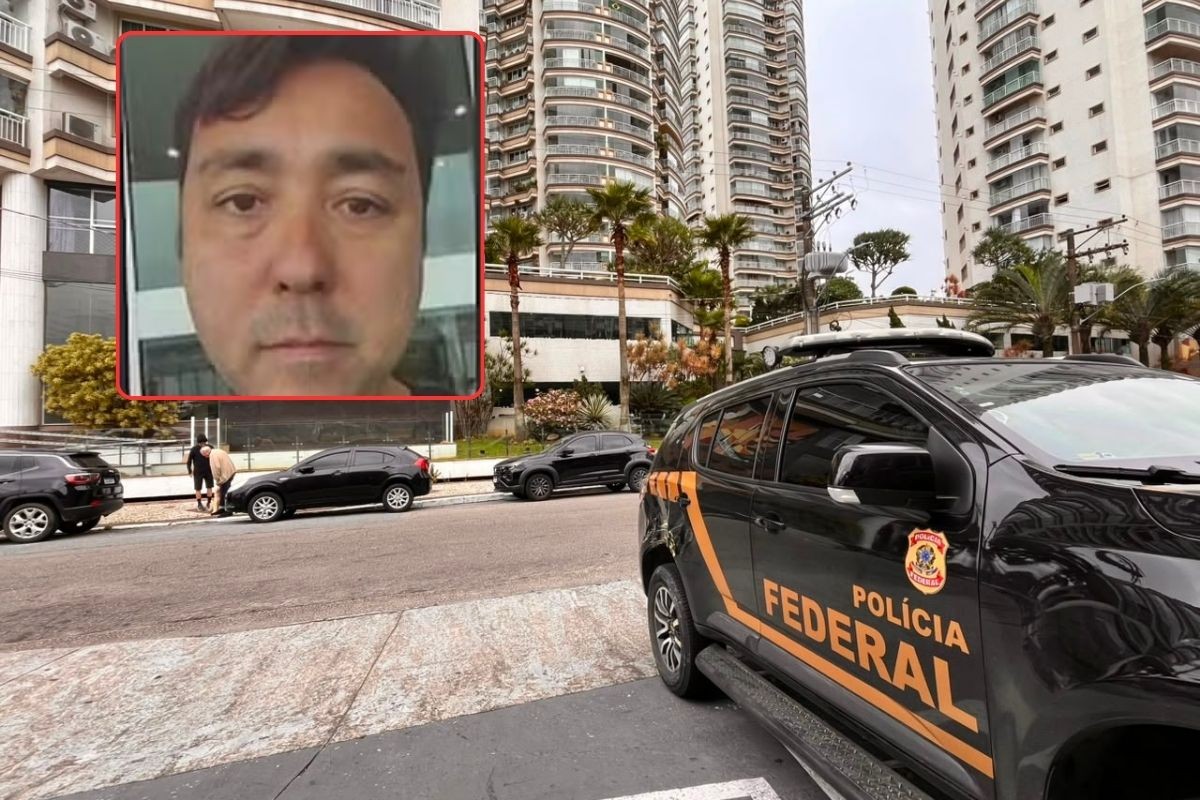
Brazilian Federal Police (PF) searched the apartment of the ex-wife of businessman Victor Henrique de Oliveira Shimada in Santos, São Paulo, on Friday, March 3rd. Shimada is a target of U.S. sanctions for alleged ties to the First Capital Command (PCC) criminal faction, described by the U.S. as a key link between PCC members in Florida and international drug traffickers. The operation, named Exchange, involved over 50 federal officers executing 13 search and seizure warrants and 11 temporary arrest warrants to dismantle a criminal organization specializing in international drug trafficking money laundering. Preliminary analysis suggests over R$10 billion in illicit transactions. Stella Stefanie Nunes Henrique de Oliveira, identified as Shimada's relative and an alleged intermediary for collecting funds and providing logistics for the network, was arrested. Shimada himself was not found and remains a fugitive. The PF also issued warrants in São Paulo, Praia Grande, and Santana de Parnaíba. Shimada's high-rise apartment in Santos, where his ex-wife and three minor children reside, was searched, with cell phones and documents seized. Shimada's lawyer, Yuri Cruz, stated they are reviewing the accusations and considering Shimada's surrender. The defense plans to challenge the temporary arrest warrant, arguing it's unnecessary for the investigation, pending access to the case details. Shimada denies all allegations, including participation in criminal organizations and money laundering. U.S. authorities accuse him of laundering over $30 million through cryptocurrencies for the PCC and engaging in other financial crimes. He is also under investigation in Brazil for suspected involvement in money laundering related to the VaideBet case, concerning misappropriated funds from a sponsorship deal with Corinthians football club. The U.S. Treasury Department formalized the sanctions, marking the first such action against PCC-linked targets under the Trump administration after classifying the group as a terrorist organization.
This operation highlights the increasing international cooperation in combating sophisticated financial crimes, particularly those involving transnational criminal organizations like the PCC. The U.S. Treasury's sanctions and the PF's coordinated raids underscore a strategy to disrupt illicit financial flows by targeting key individuals and their assets, including those held by associates or family members. The scale of alleged money laundering, exceeding R$10 billion, points to the significant financial capacity of these networks and the challenges in tracing and recovering such funds. Future efforts will likely focus on enhancing cross-border intelligence sharing and developing more robust mechanisms to freeze and seize assets derived from criminal activities, particularly in the digital asset space where transactions can be obscured. The investigation also reveals the complex interplay between organized crime, sports finance, and international money laundering, suggesting a need for greater transparency and regulatory oversight in these sectors.
AI-generated to prompt reflection — not editorial opinion, not advice, not a statement of fact. How this works.