Brazilian Police Target SIM Swap Scammers Posing as Bank Managers
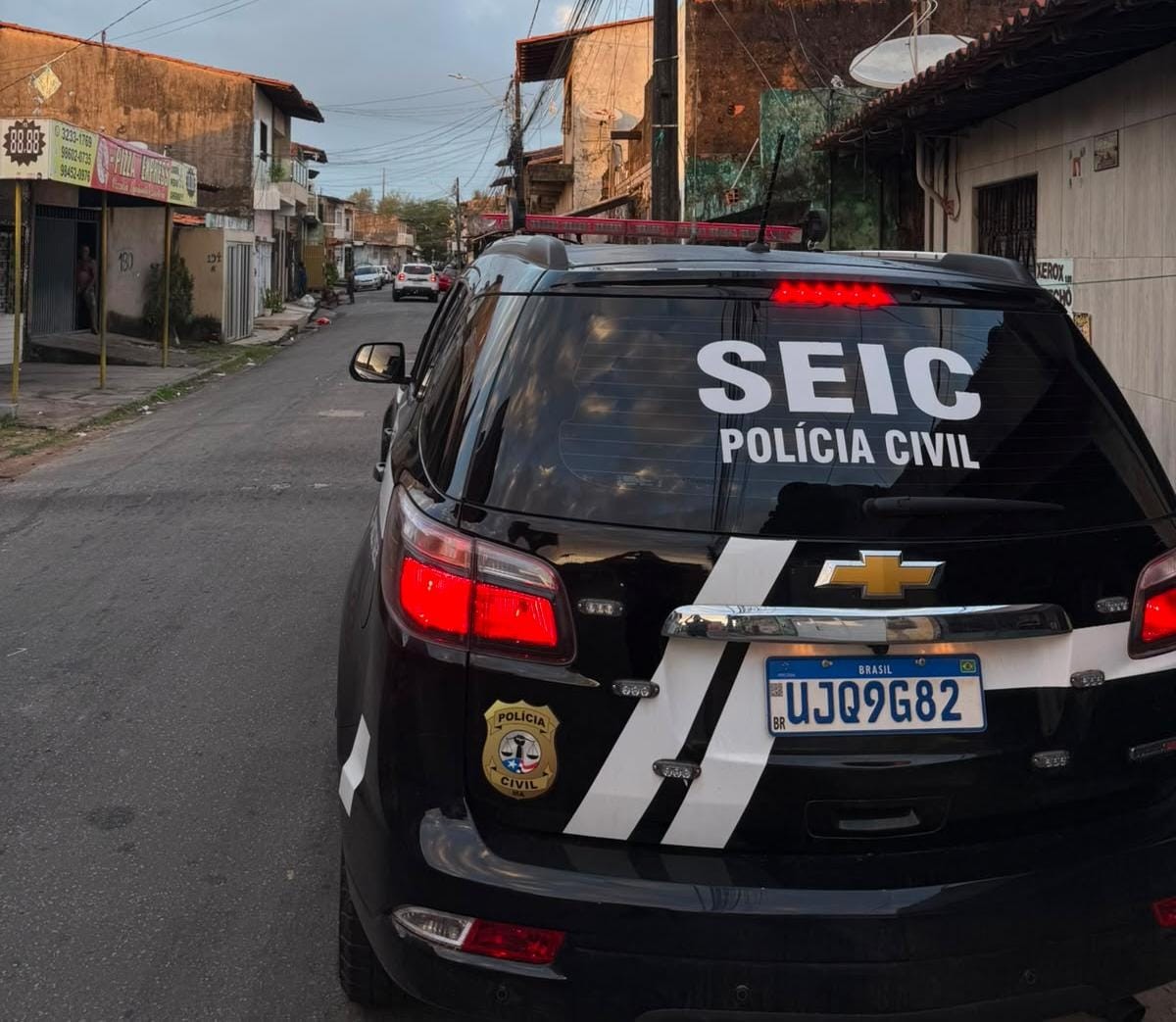
The Civil Police of Maranhão, Brazil, executed "Operation Phantom Signal" on Wednesday, May 29th, carrying out seven search and seizure warrants across São Luís and two other Brazilian states. The operation targets individuals suspected of engaging in electronic fraud through SIM swapping. This scheme involves criminals illicitly cloning or transferring a victim's phone line to impersonate a bank manager and defraud financial institution clients.
The investigation, led by the Department of Combating Technological Crimes (DCCT) under the State Superintendence of Criminal Investigations (SEIC), focuses on how suspects allegedly gained control of a victim's phone number. Once in control, they used the number on messaging apps, posing as the legitimate owner, identified as a bank manager. Using this false identity, the suspects contacted bank clients, tricking them into revealing confidential information and authorizing fraudulent banking transactions.
Authorities believe the scheme involved individuals with defined roles, from illegally obtaining phone lines to managing bank accounts used to receive and move illicitly obtained funds. Investigations have identified suspects operating in at least three states, though their locations remain undisclosed. Judicial authorization was granted for the seizure and analysis of electronic devices to identify further accomplices and trace the movement of funds. The investigation is ongoing and under judicial secrecy.
This operation highlights the evolving sophistication of financial fraud, leveraging telecommunications vulnerabilities to exploit customer trust in financial institutions. The "SIM Swap" technique, as detailed, demonstrates a systemic risk where control over a digital identity (phone number) can unlock access to sensitive financial information and assets. The multi-state nature of the operation underscores the transnational and coordinated efforts required to combat such digital crimes. Future efforts will likely need to focus on strengthening identity verification protocols at both the telecommunications and financial service provider levels, alongside enhanced inter-agency cooperation to disrupt these increasingly complex criminal networks. The investigation's reliance on analyzing seized electronic devices points to the critical role of digital forensics in tracing illicit financial flows and holding perpetrators accountable within the legal framework.
AI-generated to prompt reflection — not editorial opinion, not advice, not a statement of fact. How this works.