Brazilian Politician Claims Marijuana Found Buried After Governor's Visit
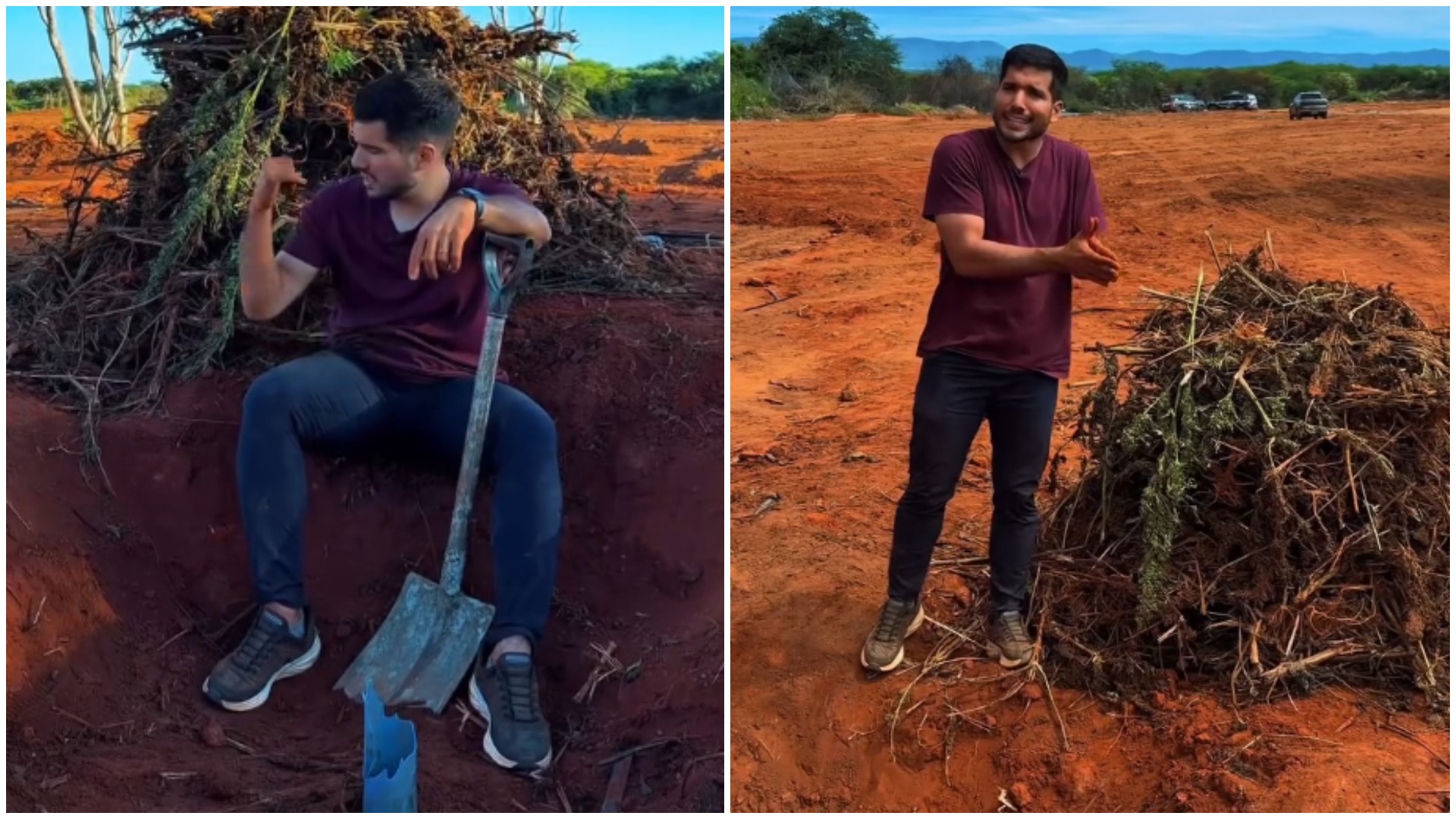
Brazilian Congressman André Fernandes (PL) returned to a farm in Acopiara, Ceará, where approximately 290,000 marijuana plants were discovered. Fernandes stated on social media that he found some of the drug buried on the property, which he claims lacked police surveillance. According to Brazilian law, seized drugs should be incinerated. Earlier in the week, Governor Elmano de Freitas (PT) had visited the site and assured that the Civil Police would remain until the entire plantation was destroyed. The discovery of the large marijuana farm, announced as one of the state's largest seizures, became controversial and is now under police investigation following Fernandes's initial complaint that the site, with drugs bagged and plants still growing, had been abandoned by officers. Fernandes alleges the governor lied, stating the drugs were buried, not incinerated, and that police presence was not maintained as promised. The Civil House of the Ceará Government and the Secretariat of Public Security and Social Defense have been contacted for comment. Brazilian law mandates the destruction of seized drugs within 30 days of seizure if no arrest is made, with measures to preserve evidence. The farm was discovered on June 25th, and the owner, João Holanda Neto, was temporarily arrested but later released. The individual who leased the land, Cristiano Rodrigues de Lima, remains at large. The Liberal Party (PL) has announced it will file complaints with federal and state prosecutors, seeking an investigation into the new claims and potential administrative misconduct charges against the state government.
This situation highlights potential systemic failures in evidence handling and law enforcement protocols. The alleged burial of seized narcotics, if true, deviates from standard destruction procedures and raises questions about the chain of custody and the integrity of the investigation. The political dimension, with accusations of deception leveled against the governor, suggests a possible conflict between political messaging and operational realities on the ground. Future oversight mechanisms should focus on ensuring transparent and legally compliant destruction of evidence, independent of political timelines or narratives. Examining the incentive structures for law enforcement agencies to properly secure and dispose of evidence, particularly in high-profile cases, could prevent recurrence and bolster public trust in the justice system.
AI-generated to prompt reflection — not editorial opinion, not advice, not a statement of fact. How this works.