Brazilian politician Ronaldo Caiado criticizes Lula and Flávio Bolsonaro over US tariffs
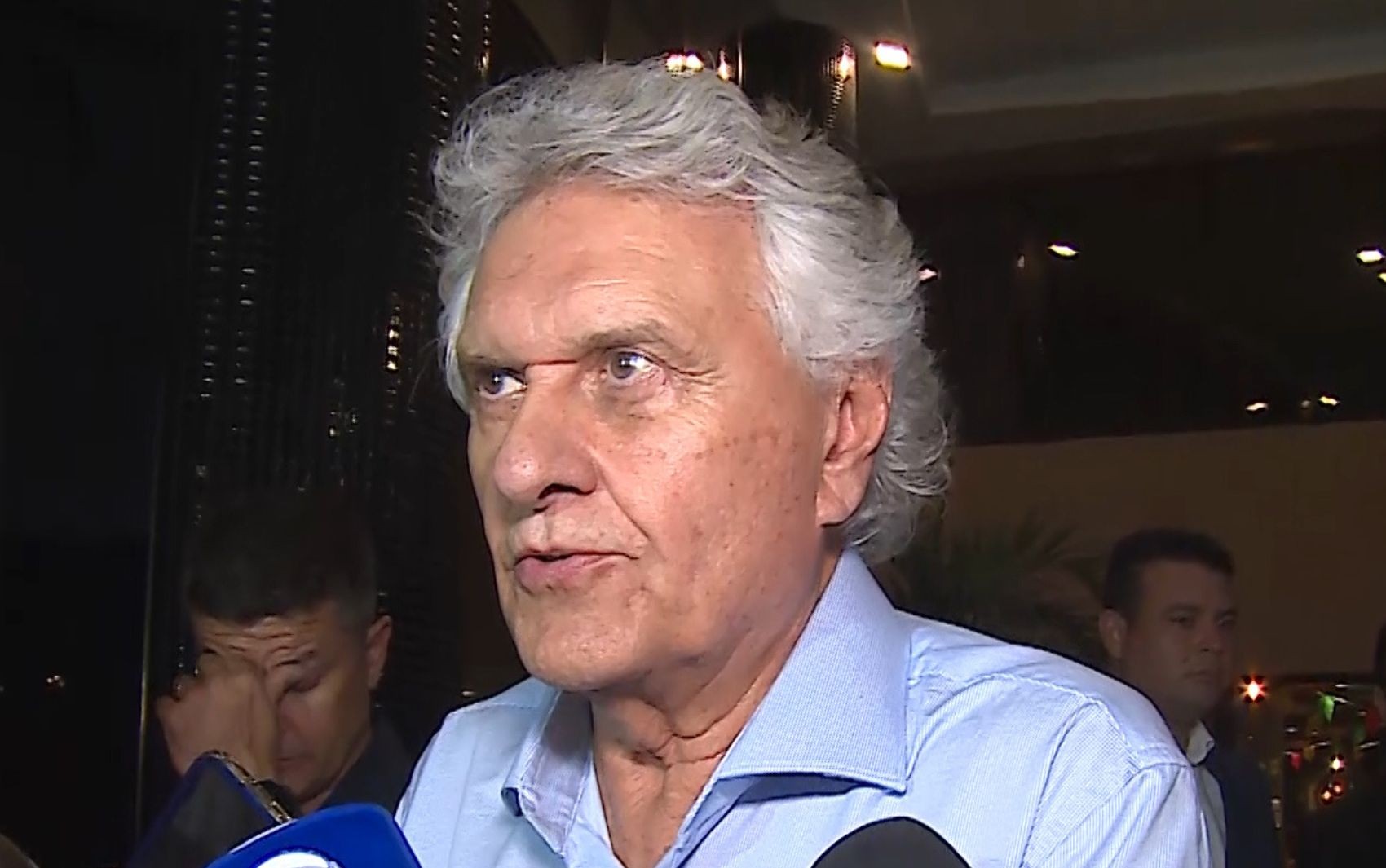
Ronaldo Caiado, former governor of Goiás and presidential hopeful, has criticized Brazilian President Luiz Inácio Lula da Silva and Senator Flávio Bolsonaro following the United States' announcement of a new 25% tariff on Brazilian products. The U.S. Trade Representative's Office (USTR) confirmed the additional tariff, set to take effect on July 22, impacting a wide range of goods. This measure stems from a year-long USTR investigation under Section 301 of the Trade Act of 1974, aimed at addressing alleged trade barriers. Caiado expressed concern that these tariffs could lead to the collapse of entire economic sectors, stating that Lula lacks the capacity for dialogue and that Flávio Bolsonaro is more focused on the upcoming elections than the country's economic well-being. He argued that the increased tariffs, potentially reaching 37.5% with other surcharges, would severely damage the competitiveness of Brazilian industry, agriculture, and digital services. Caiado also criticized Flávio Bolsonaro for allegedly requesting a delay in the tariffs until after the elections, rather than seeking their cancellation. He advocated for economic reciprocity, asserting that Brazil should not negotiate from a position of subservience given its significant resources. The Brazilian government has formally repudiated the U.S. decision, calling it a "regrettable milestone" and vowing to invoke reciprocity laws. President Lula highlighted the substantial trade surplus the U.S. has maintained with Brazil over the past 15 years. The government maintains it presented evidence refuting the USTR's allegations of unfair trade practices, dismissing criticisms regarding PIX, digital platform regulation, and deforestation as unfounded. U.S. Secretary of State Marco Rubio, however, defended the tariffs, accusing Lula of prioritizing ego over a beneficial agreement for Brazilians and stating the policies are detrimental to both nations.
The imposition of U.S. tariffs on Brazilian goods highlights a recurring tension between national economic protectionism and international trade liberalization. While the U.S. cites trade practices as justification, political rhetoric from both sides suggests underlying geopolitical and electoral considerations. The Brazilian government's response, invoking reciprocity, signals a potential escalation in trade disputes. From a systemic perspective, such measures can disrupt global supply chains and reduce economic efficiency, potentially impacting consumer prices and industrial competitiveness in the long term. The differing interpretations of the tariffs' origins—whether purely economic or politically motivated—underscore the complexity of international trade negotiations, where economic interests are often intertwined with political objectives. Future trade relations may depend on the ability of both nations to navigate these competing priorities and establish a more predictable and mutually beneficial framework.
AI-generated to prompt reflection — not editorial opinion, not advice, not a statement of fact. How this works.