Brazilian Presidential Candidates Criticize Milei's Appearance and AI Use at Flávio Bolsonaro's Event
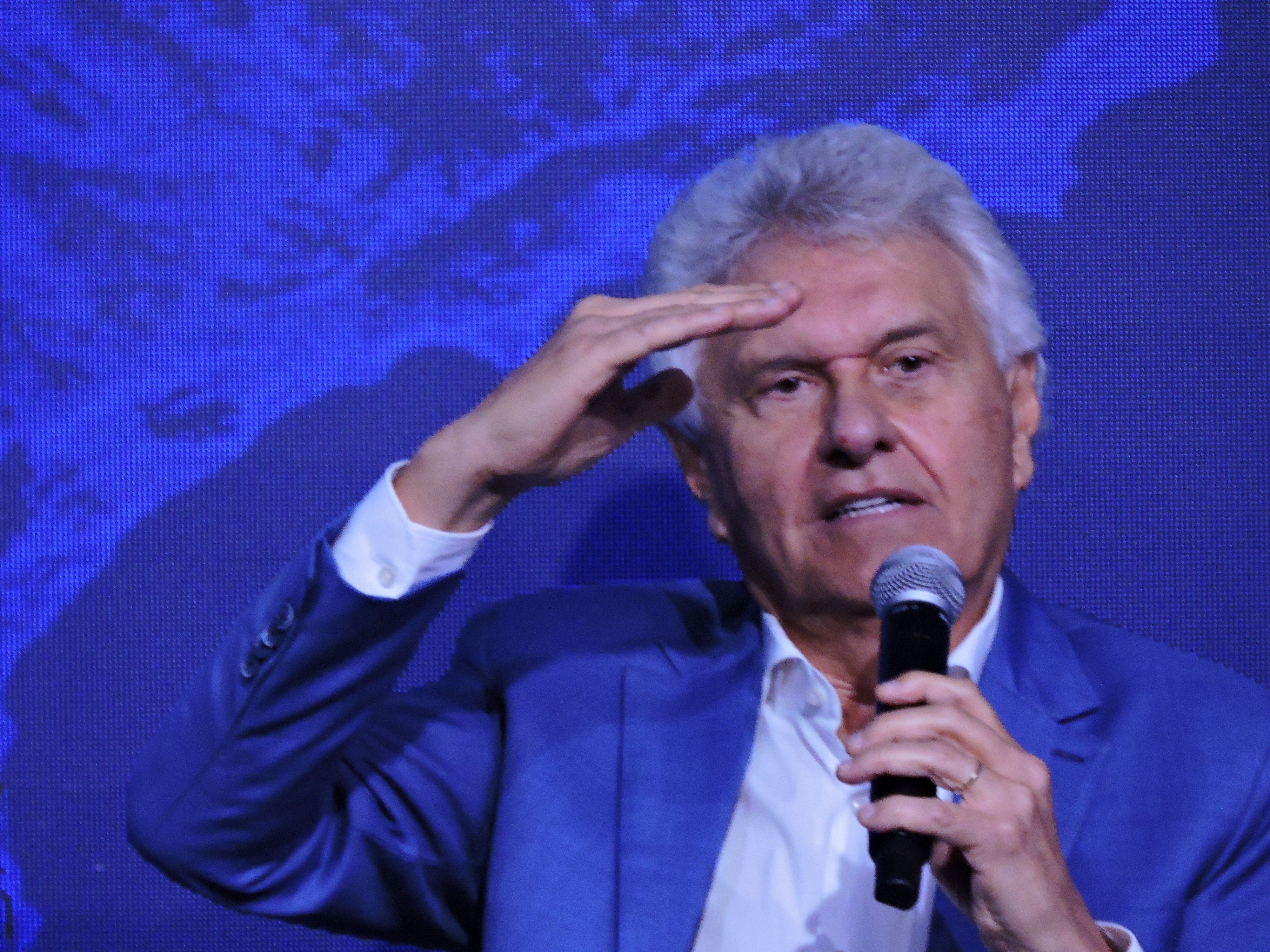
Ronaldo Caiado, the PSD's presidential candidate, and Gilberto Kassab, the party's president, have criticized the participation of Argentine President Javier Milei and the use of an AI-generated video of former President Jair Bolsonaro at the convention that officially nominated Flávio Bolsonaro as a candidate. Caiado argued that Flávio Bolsonaro failed to present proposals and was overshadowed by both Milei and the AI avatar, turning the event into an aggressive discussion about international relations rather than national issues. Kassab echoed this sentiment, stating that the convention showed Flávio Bolsonaro's unwillingness to discuss Brazil's needs, instead opting for a confrontation with the current government that he felt lowered the political discourse.
Caiado also addressed the Supreme Court Justice Alexandre de Moraes's inquiry into the unauthorized use of Bolsonaro's image and voice, emphasizing the importance of adhering to electoral laws. He advocated for modern legislation on artificial intelligence that protects copyright, ensuring that intellectual property rights are respected across various fields, including journalism, arts, and literature. The Superior Electoral Court (TSE) has already established rules for the 2026 elections, prohibiting the use of AI-generated or altered content in the 72 hours before and 24 hours after the polls close. The TSE's resolution requires explicit disclosure of AI usage in political advertising and prohibits AI providers from influencing electoral outcomes by ranking or recommending candidates, or expressing political preferences.
The criticism leveled by Caiado and Kassab highlights a strategic debate within Brazilian politics regarding the appropriate use of foreign influence and emerging technologies in electoral campaigns. The utilization of an AI-generated avatar and the presence of a foreign head of state, particularly one with a distinct political ideology, raise questions about national sovereignty and the substance of domestic political discourse. From an AI governance perspective, the incident underscores the growing challenge of regulating the application of artificial intelligence in political arenas, especially concerning deepfakes and the potential for manipulation. The TSE's proactive resolution attempts to set boundaries, but the rapid evolution of AI technology suggests a continuous need for adaptive legal and ethical frameworks to safeguard electoral integrity and ensure that campaigns focus on substantive policy debates rather than technologically enhanced theatrics or foreign endorsements.
AI-generated to prompt reflection — not editorial opinion, not advice, not a statement of fact. How this works.