Brazilian Presidential Candidates Divided on AI Use in Election Campaigns
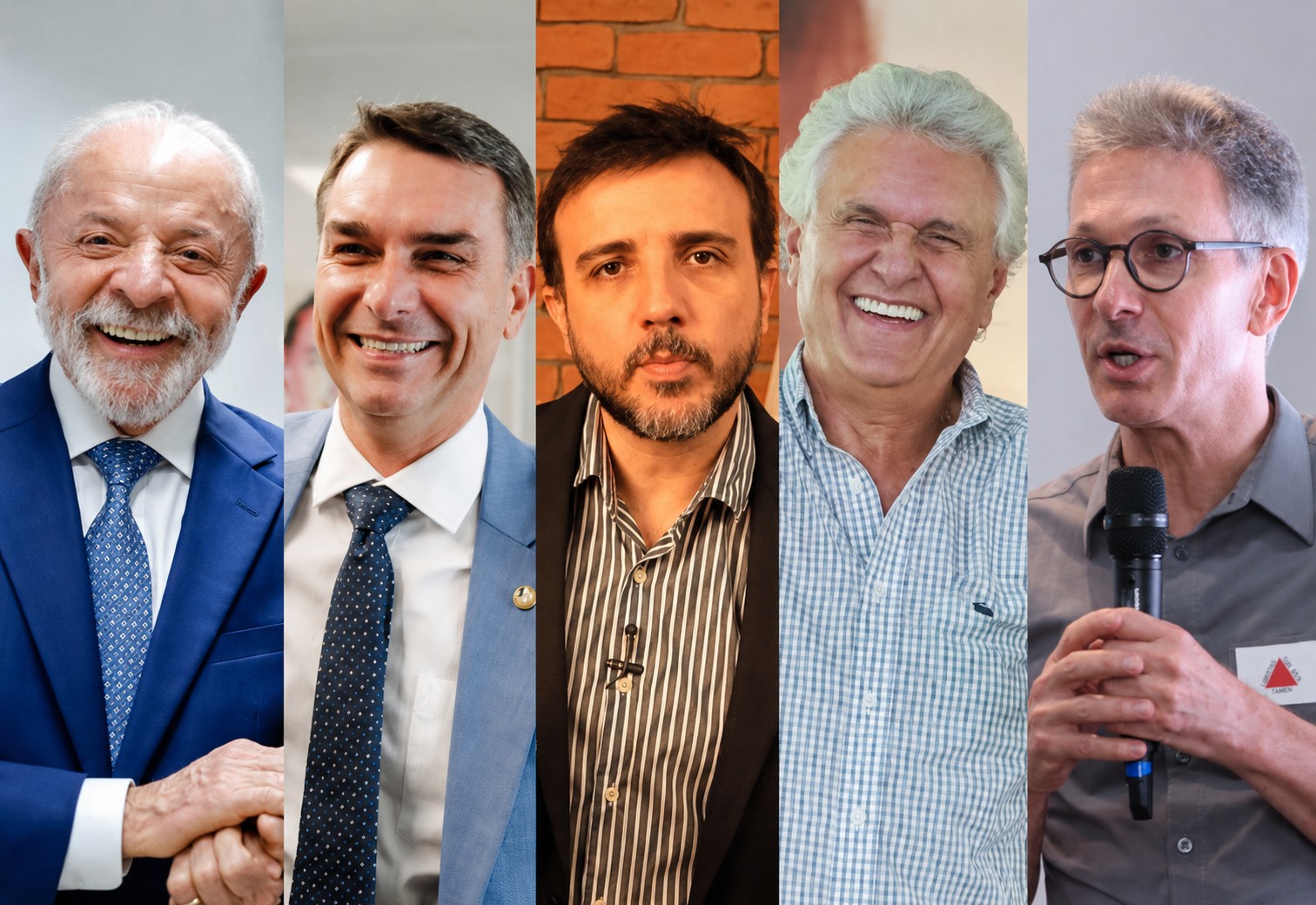
Pre-campaigns for Brazil's presidential election are experiencing a division regarding the use of artificial intelligence (AI) in campaign advertisements and videos. Some campaigns plan to heavily utilize the technology, while others aim to restrict its application. Proponents highlight potential cost reductions and ease of access, but critics worry about artificiality and voter detachment, especially amid public distrust of politicians. President Luiz Inácio Lula da Silva's (PT) campaign intends to use AI strictly as a support tool, without replacing his actual image or creating fictional versions. Lula himself expressed a personal aversion to AI in politics, emphasizing the importance of genuine human connection and looking voters in the eye. The PT also issued a statement clarifying that the concern is not with AI itself, but its potential for manipulation and personal attacks, criticizing the "Bolsonarist group" for using fabricated content and candidates. This stance aims to differentiate from the approach of Flávio Bolsonaro (PL), who has already employed AI in social media videos, some depicting him in fictional scenarios like a fighter pilot, as permitted by electoral law. Bolsonaro's allies state they will operate within legal boundaries, acknowledging AI's engagement potential but not necessarily its superiority over other formats. Other candidates, like Romeu Zema (Novo), are expected to embrace AI for its cost-effectiveness and accessibility, citing a series of animated videos criticizing privileges as an example of non-deceptive use. Conversely, Ronaldo Caiado (PSD) and Renan Santos (Missão) plan to prioritize authentic video content, limiting AI to illustrative purposes for project presentations. The Superior Electoral Court (TSE) has implemented new rules for the upcoming elections, requiring clear disclaimers on AI-generated or altered content to prevent voter deception. Furthermore, using AI with the voice or image of candidates and public figures is prohibited within 72 hours before and 24 hours after voting, with immediate content removal mandated for violations.
The emerging debate around AI in Brazilian election campaigns reflects a broader global tension between technological innovation and democratic integrity. While AI offers potential efficiencies and novel engagement methods, its capacity for generating deepfakes and manipulating public perception poses significant risks to informed consent and electoral fairness. The differing strategies among candidates—from embracing AI for cost-effectiveness to outright rejection based on authenticity concerns—highlight the evolving landscape of political communication. The TSE's regulatory efforts aim to strike a balance, mandating transparency while navigating the rapid pace of AI development. Looking ahead, the challenge will be to foster AI literacy among voters and establish robust governance frameworks that prevent AI from becoming a tool for disinformation, ensuring that technological advancements serve, rather than undermine, democratic processes in the long term.
AI-generated to prompt reflection — not editorial opinion, not advice, not a statement of fact. How this works.