Brazilian Presidential Candidates Emerge: Bolsonaro's Son, Caiado, and Zema Officialize Campaigns
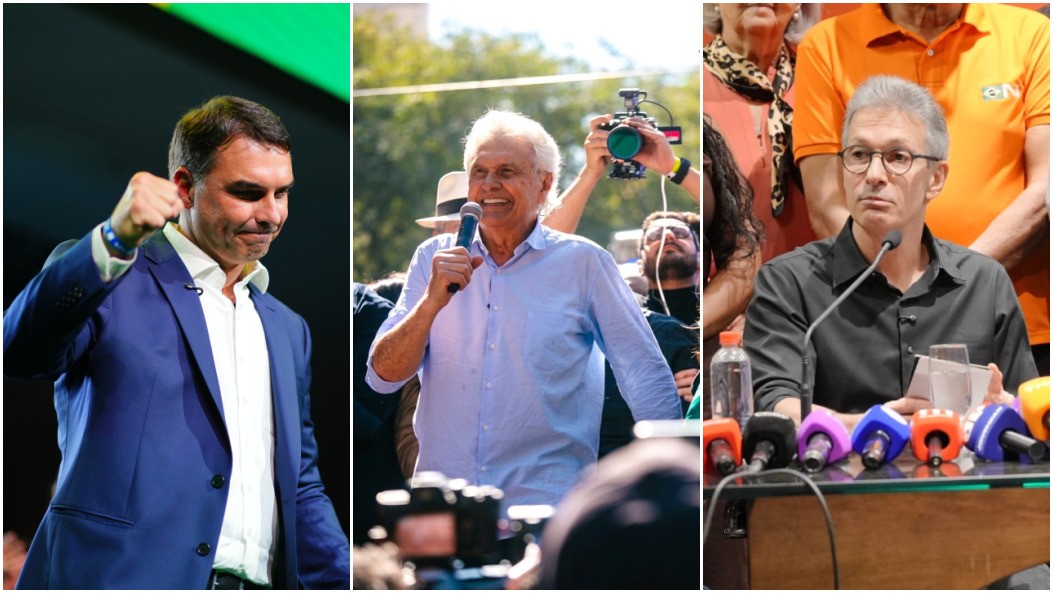
The political landscape in Brazil is heating up as three prominent figures have officially declared their candidacies for the presidency. On Saturday, May 25th, the Liberal Party (PL) confirmed Flávio Bolsonaro as its presidential nominee, though his vice-presidential pick remains unannounced. The event drew significant political figures, including São Paulo Governor Tarcísio de Freitas and Mayor Ricardo Nunes, as well as international guests like Israeli Prime Minister Benjamin Netanyahu, who appeared via video, and Argentine President Javier Milei. Milei delivered an anti-leftist speech and made remarks targeting Supreme Court Minister Alexandre de Moraes. Flávio Bolsonaro's mother, Michelle Bolsonaro, spoke at the convention, mentioning her stepson's name only once, while an AI-generated video of his father, Jair Bolsonaro, was also shown. The following day, May 26th, the Progressive Democratic Party (PSD) formalized Ronaldo Caiado's candidacy. Caiado, the former governor of Goiás, appeared alongside his running mate and party president, Gilberto Kassab, positioning himself as an alternative to both President Lula and Flávio Bolsonaro. On Monday, May 27th, the Novo Party held its convention to launch Romeu Zema, the former governor of Minas Gerais, as their presidential candidate. Zema, who also lacks a declared vice-presidential candidate, focused his speech on opposing the Workers' Party (PT). This episode of 'O Assunto' podcast features discussions with g1 reporters Victória Cócolo, Marília Barbosa, and Caetano Tonet, who covered these conventions, and journalist Bernardo Mello Franco, who analyzes the political implications of these announcements.
The recent officialization of presidential candidacies by Flávio Bolsonaro, Ronaldo Caiado, and Romeu Zema marks a critical juncture in Brazil's electoral cycle. The strategic use of AI-generated content and international endorsements, as seen in Flávio Bolsonaro's campaign launch, highlights evolving political communication tactics. These events underscore a broader trend of leveraging digital tools and established political networks to mobilize support and define electoral platforms. The positioning of candidates as anti-incumbent or anti-establishment figures reflects ongoing societal divisions and the search for distinct political identities. Future electoral dynamics will likely be shaped by how these campaigns navigate public perception, manage alliances, and address the technological advancements influencing voter engagement.
AI-generated to prompt reflection — not editorial opinion, not advice, not a statement of fact. How this works.