Brazilian Presidential Candidates Focus on Southeast in Pre-Campaign Push
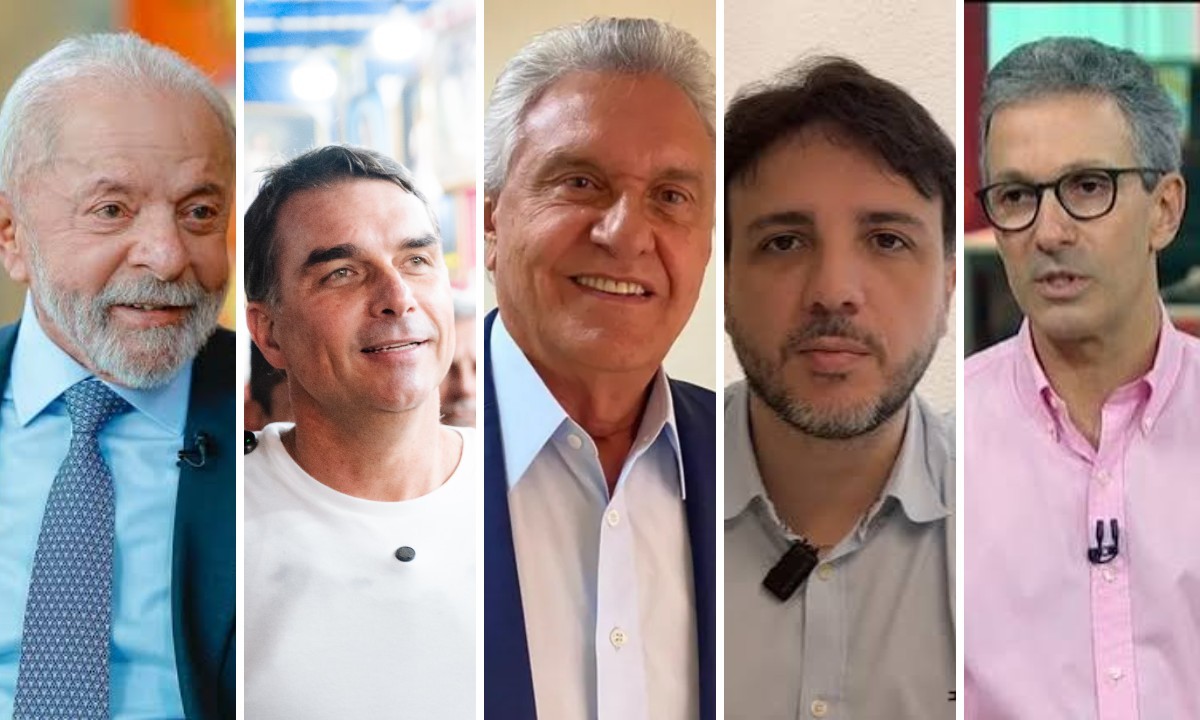
Brazil's top five presidential hopefuls concentrated their pre-campaign activities, from mid-May to early July, in the Southeast region, particularly São Paulo state. President Lula (PT) maintained a busy schedule of institutional travel and project inaugurations before the election recess. Senator Flávio Bolsonaro (PL) also traveled extensively, focusing on launching allied pre-candidacies and meeting party leaders. Other opposition candidates, Romeu Zema (Novo), Ronaldo Caiado (PSD), and Renan Santos (Missão), prioritized media appearances, leveraging interviews to boost their visibility. São Paulo, the nation's largest electoral district with 34.1 million voters, was a key battleground, with four of the five candidates holding their official convention events in the capital city. President Lula's agenda included visits to construction sites, industry events, and credit program launches in São Paulo, as well as inaugurations in Guarulhos and a technology institute visit in São Caetano do Sul. His themes often revolved around health and agribusiness, with international trips to the US, Europe for the G7 summit, and Paraguay for the Mercosur summit. Flávio Bolsonaro, officially chosen by ex-president Jair Bolsonaro, focused on launching pre-candidacies for Senate and state governments across Brazil. He also participated in internal party meetings and promoted government projects for public safety and women. Bolsonaro's international engagements included trips to the US to meet Donald Trump and attend a USTR hearing, and to Argentina to meet President Javier Milei. Ronaldo Caiado, former governor of Goiás, emphasized agribusiness events across 14 states and participated in religious gatherings like March for Jesus and evangelical congresses. He also held meetings with business leaders in various states. Romeu Zema, ex-governor of Minas Gerais, relied heavily on media interviews and meetings with business representatives. He attended agricultural and retail development events and held meetings with party members in several cities, with his party's national convention in Brasília. Renan Santos, who has no prior public office, focused on digital presence through daily online analyses and social media content. His candidacy was officially announced early due to threats from criminal factions, granting him Federal Police security. Santos also engaged in less institutional events, including social gatherings, comedy shows, and anime conventions, alongside promoting his band's performances.
The pre-campaign strategies of Brazil's leading presidential candidates reveal a tactical focus on São Paulo, the nation's largest electoral hub, and a diverse approach to public engagement. While President Lula and Flávio Bolsonaro engaged in international diplomacy and project inaugurations, other candidates like Caiado and Zema concentrated on sector-specific events and media outreach. Renan Santos's strategy highlights the growing importance of digital platforms and unconventional events in reaching voters. This period underscores the complex interplay of institutional power, party machinery, media influence, and emerging digital strategies in shaping electoral landscapes. The candidates' varied itineraries reflect differing assessments of voter priorities and the most effective channels for campaign messaging in the lead-up to the election.
AI-generated to prompt reflection — not editorial opinion, not advice, not a statement of fact. How this works.