Brazilian Presidential Candidates Launch Campaigns with Strong Rhetoric and Policy Proposals
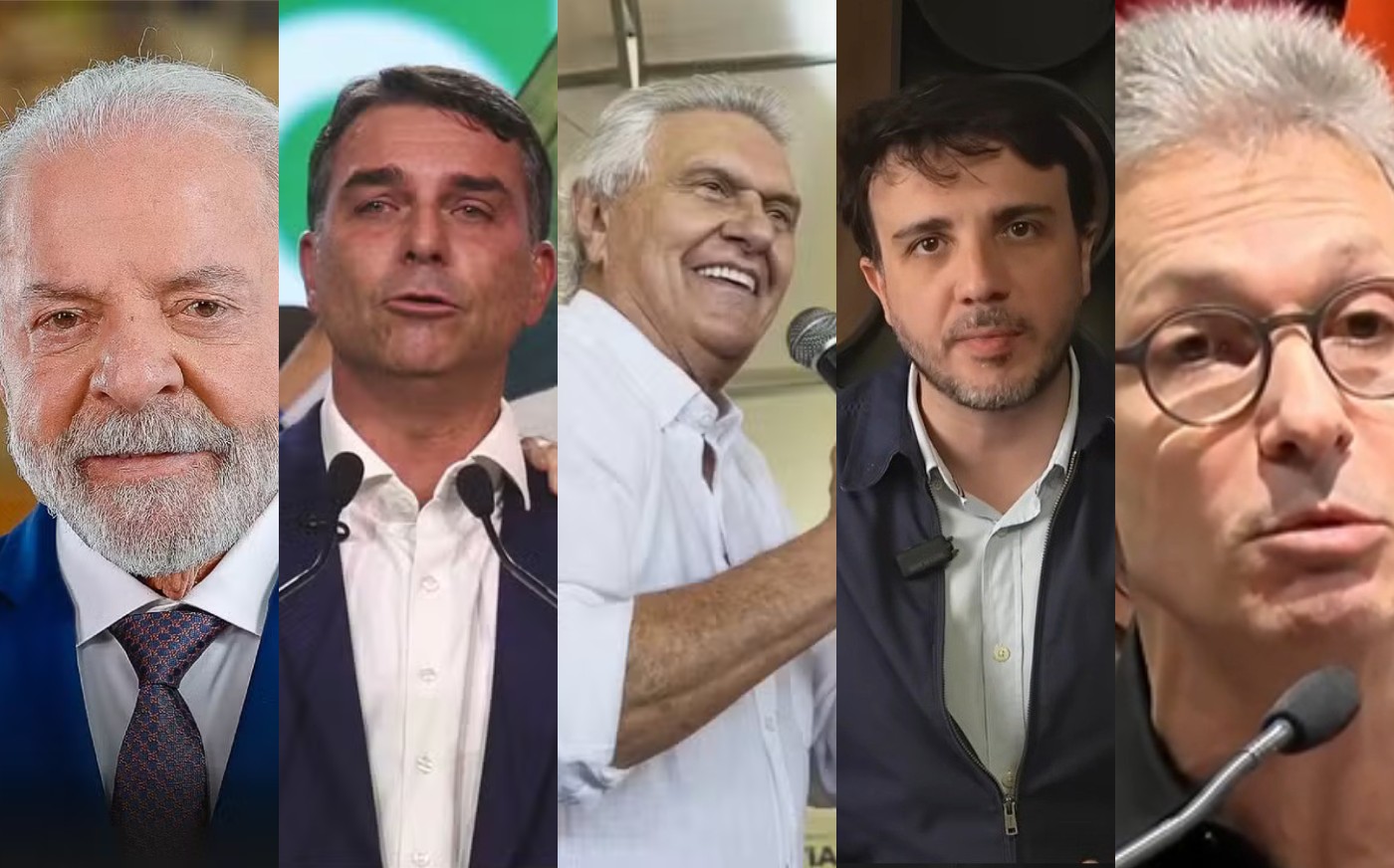
Five leading presidential candidates in Brazil have concluded their party conventions, officially launching their campaigns with speeches that blended praise for past administrations, criticisms of opponents, and initial policy outlines. The candidates include Flávio Bolsonaro (PL), Lula (PT), Renan Santos (Missão), Ronaldo Caiado (PSD), and Romeu Zema (Novo). The deadline for candidacy registration with the TSE is August 15th. Flávio Bolsonaro's campaign, officially launched on July 25th, emphasized his father's legacy and framed his candidacy as a mission against corruption and incompetence, proposing stricter penal laws, including lowering the age of criminal responsibility for rape to 14 and chemical castration for pedophiles. He also warned against a potential dictatorship under Lula. Lula, seeking re-election, highlighted his administration's achievements, such as the PAC program, and pledged to address education and elder care, alongside investments in defense and technology. He also focused on combating violence against women. Renan Santos, launching his bid via videoconference on August 1st, presented himself as a generational leader, rejecting labels like "third way" and criticizing both PT and Bolsonaro's movements. His proposals include drastically reducing homicides and improving child literacy. Romeu Zema positioned himself as a pragmatic manager from the private sector and governor of Minas Gerais, criticizing the PT's economic impact and proposing to classify criminal factions as terrorist organizations, inspired by El Salvador's security model. Ronaldo Caiado, officially nominated on July 26th with Gilberto Kassab as his running mate, drew on his extensive public service experience and his governorship of Goiás, presenting himself as an alternative to the current polarization and a fighter against drug trafficking and "petismo."
The launch of these presidential candidacies reveals a political landscape characterized by strong ideological polarization and a focus on distinct policy platforms. Candidates are leveraging historical narratives, personal legacies, and sharp critiques of opponents to mobilize their bases. The emphasis on law and order, economic management, and social issues reflects deep-seated concerns within the electorate. Looking ahead, the effectiveness of these campaigns will likely depend on their ability to translate these initial declarations into concrete governance plans that address Brazil's complex socio-economic challenges, while navigating the evolving dynamics of digital campaigning and public perception in the coming decade.
AI-generated to prompt reflection — not editorial opinion, not advice, not a statement of fact. How this works.
