Brazilian Presidential Hopefuls React to Trump's New Tariffs on Brazilian Goods
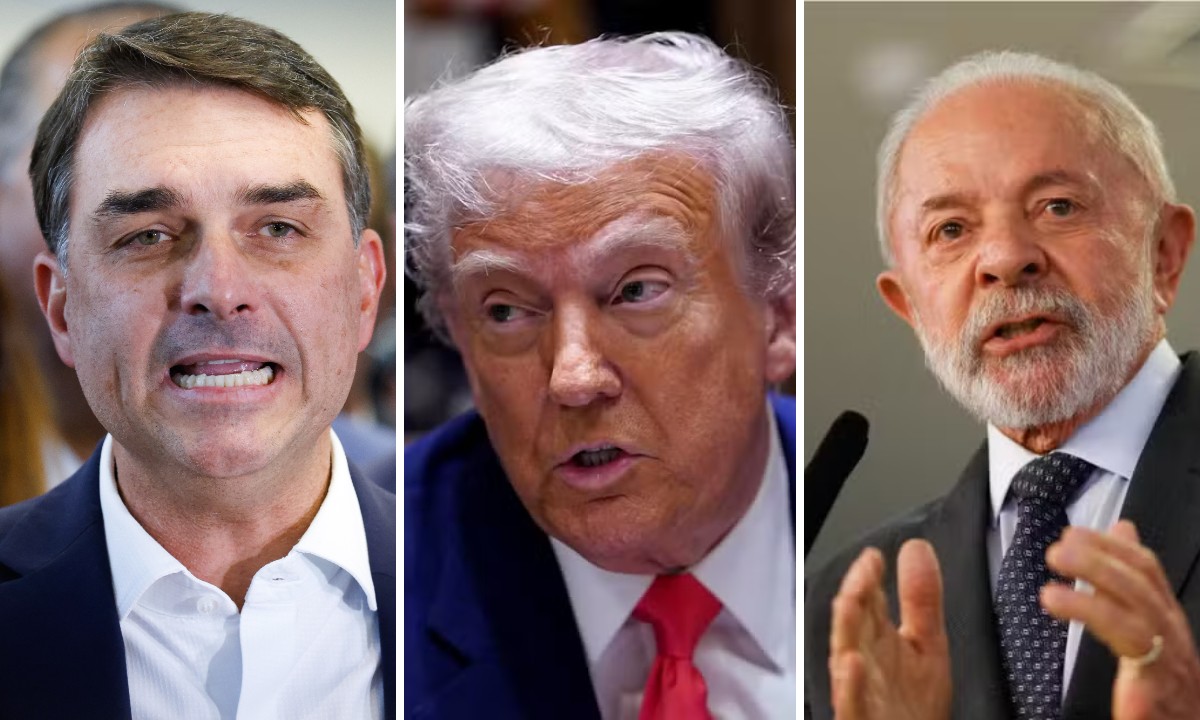
Several Brazilian presidential hopefuls have voiced strong reactions to the United States' announcement of new tariffs on a majority of Brazilian products. The measure, which imposes a 25% charge on most Brazilian goods sold to the U.S., was announced by the Trump administration following an investigation by the U.S. Trade Representative's Office under Section 301 of the Trade Act of 1974. The U.S. alleges unfair trade practices by Brazil in areas such as digital trade, intellectual property, environmental protection, and anti-corruption efforts, claims that the Brazilian government disputes, stating it provided evidence to counter each allegation during negotiations. The new tariffs will affect most Brazilian imports, with exceptions for items like coffee, beef, orange juice, certain energy products, and aeronautical components. President Lula, a pre-candidate for re-election, condemned the tariffs as a "regrettable milestone" in U.S.-Brazil relations, citing a significant U.S. trade surplus with Brazil over the past 15 years. He announced Brazil's intention to initiate reciprocity procedures and take the case to the World Trade Organization (WTO), while also vowing to protect affected sectors through the Sovereign Brazil Plan. Lula also attributed the trade dispute's escalation to the Bolsonaro family, labeling them "false patriots" driven by electoral motives. Senator Flávio Bolsonaro, another pre-candidate, blamed Lula's administration for the situation, sharing a statement from U.S. Secretary of State Marco Rubio that pointed to a lack of negotiation by the Brazilian government. He focused his criticism on Lula, calling him the "Brazilian Biden" and a "danger to our nation." Governor Ronaldo Caiado expressed concern over the potential collapse of Brazilian industries, including agriculture and digital services, warning of business closures and increased unemployment. He criticized both Lula and Flávio Bolsonaro, stating that their polarization is costly for Brazil and that Lula lacks the capacity for dialogue while the other candidate is focused on elections. Governor Romeu Zema condemned the tariffs as protectionist and disrespectful to historical ties, while also holding the Brazilian government responsible for mishandling negotiations. He argued that while the Brazilian government made errors, they do not justify the U.S. retaliation.
The imposition of U.S. tariffs on Brazilian goods, framed by the U.S. as a response to unfair trade practices and by Brazil as protectionist retaliation, highlights the complex interplay between national economic interests and international trade agreements. The differing interpretations and blame allocation among Brazilian political figures reflect domestic electoral strategies and varying approaches to foreign policy. This event underscores the vulnerability of export-dependent economies to unilateral trade actions and the challenges of navigating disputes within the framework of global trade governance, such as the WTO. Future trade relations will likely be shaped by the ability of both nations to engage in constructive dialogue and adhere to established dispute resolution mechanisms, while domestic political considerations in Brazil may influence its negotiating stance and long-term trade policy.
AI-generated to prompt reflection — not editorial opinion, not advice, not a statement of fact. How this works.