Brazilian Priest Françoá Costa Excommunicated for Joining Traditionalist Society
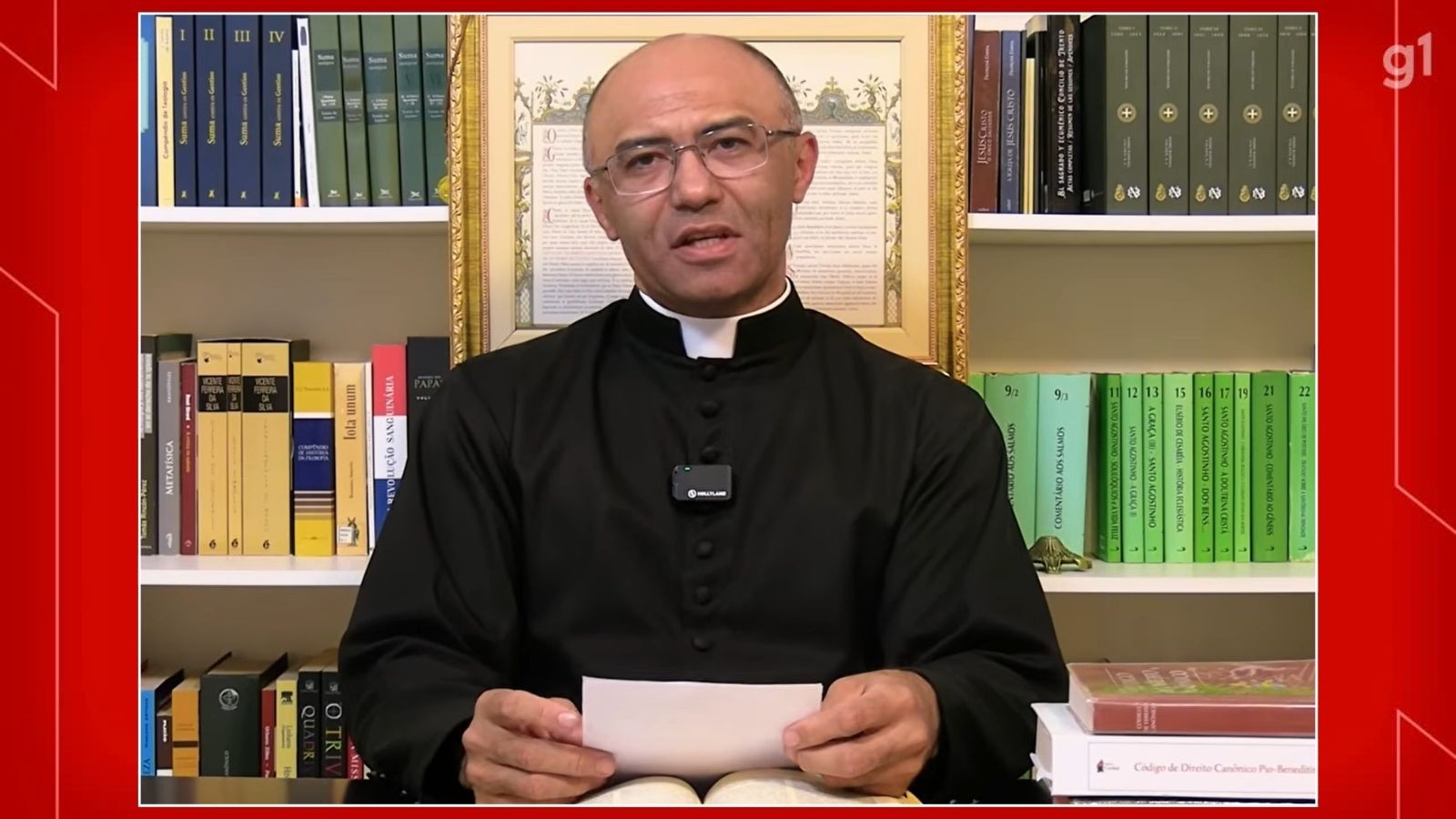
Father Françoá Rodrigues Figueiredo Costa, born in 1979 in Redenção do Gurguéia, Piauí, has had his excommunication confirmed by the Archdiocese of Brasília after formally joining the Priestly Fraternity of Saint Pius X (FSSPX). The Vatican has declared that all priests and Catholics who "formally adhere" to the FSSPX are now in schism and excommunicated. Father Françoá, who moved to Brasília at age 8 and later pursued religious life in Anápolis, Goiás, was ordained a priest on December 8, 2004. He has served in various parishes within Brazil and abroad, and holds a doctorate in theology from the University of Navarra, Spain. He also had an academic career, teaching at Pontifical Catholic University of Goiás and serving as director of the Catholic Faculty of Anápolis. In May 2025, he founded the Santo Atanásio Chapel in Ceilândia, managed by the private entity Associação Cultural Athanasianum, which maintains ties with the FSSPX and shares its positions. In December 2025, Father Françoá announced his exclusive celebration of traditional Latin Mass, rejecting post-Vatican II reforms. The Archdiocese of Brasília confirmed his excommunication on Monday, the 13th, advising the faithful to avoid the chapel's activities. Father Françoá rejects the decision, deeming it "null" and "invalid." The FSSPX, which advocates for Latin Mass and rejects certain Vatican reforms from over 60 years ago, is in conflict with the Vatican, most recently after ordaining four bishops without papal authorization on July 1, 2026, in Switzerland. This led to the excommunication of the bishops and warnings to Catholics worldwide about the FSSPX's illicit sacraments. The FSSPX disputes the Vatican's claims, asserting the ordinations were necessary for continuity. This conflict has historical roots, dating back to 1988 when the FSSPX founder, Marcel Lefebvre, also ordained bishops without papal consent, resulting in their excommunication, which was later lifted in 2009 by Pope Benedict XVI in an attempt at reconciliation.
This situation highlights the ongoing tension between traditionalist Catholic factions and the Vatican's authority, particularly concerning liturgical practices and hierarchical recognition. The FSSPX's adherence to pre-Vatican II rites and its independent ordinations represent a challenge to papal supremacy and the Church's established governance structure. From a systems perspective, the Vatican's excommunication serves as a mechanism to maintain doctrinal unity and prevent fragmentation, while the FSSPX's actions reflect a commitment to preserving what they perceive as authentic Catholic tradition, even at the cost of formal schism. The long-standing nature of this conflict suggests deep-seated ideological differences that are unlikely to be resolved easily, potentially leading to further polarization within Catholicism. The legal and canonical implications of such separations can impact the validity of sacraments and the status of clergy and laity involved, creating complex pastoral and administrative challenges for both sides.
AI-generated to prompt reflection — not editorial opinion, not advice, not a statement of fact. How this works.