Brazilian Priest Rejects Vatican Excommunication, Citing Church Law Contradictions
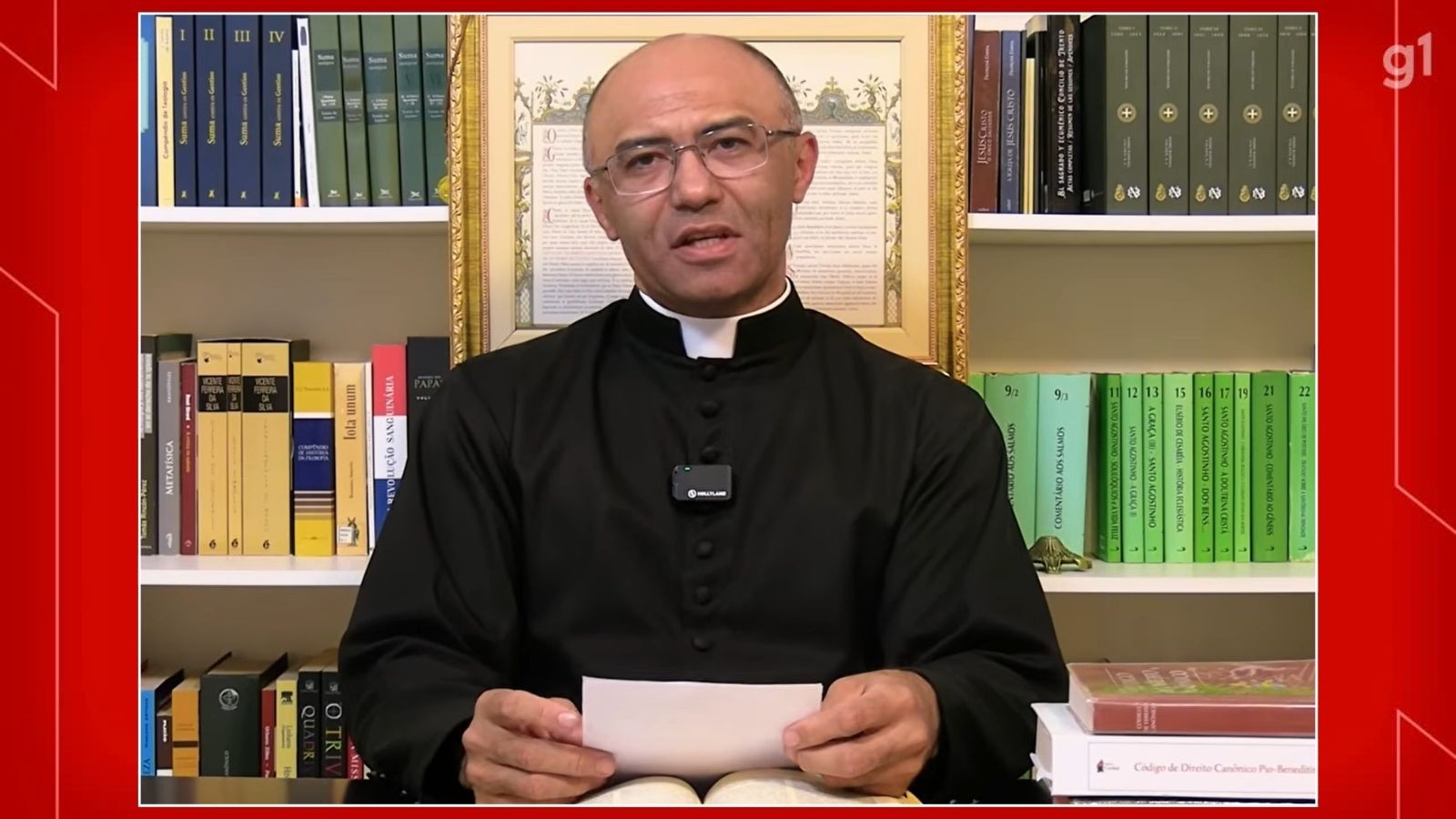
Father Françoá Rodrigues Figueiredo Costa, based in Ceilândia, Federal District (DF), Brazil, has stated he rejects his excommunication, confirmed by the Archdiocese of Brasília. The Archdiocese had instructed the faithful to avoid his Capela Santo Atanásio due to its association with the traditionalist Priestly Fraternity of Saint Pius X (FSSPX). Despite this, Father Françoá continues his daily ministry, celebrating Mass and attending to parishioners. He asserts that his community's practices, including celebrating Mass in Latin according to the pre-Vatican II liturgy, are in line with historical Catholic tradition and do not violate faith or sacraments. He argues that the excommunication, applied to him through his affiliation with the FSSPX, lacks legal foundation under Canon Law, which he believes applies to breaches of faith and sacraments, not adherence to tradition. Father Françoá contends that the FSSPX, founded by Archbishop Marcel Lefebvre, was misunderstood and did not intend to defy the Pope, aiming instead to preserve an unbroken Catholic tradition. The FSSPX, which opposes certain reforms from the Second Vatican Council, has faced conflict with the Vatican since ordaining four bishops without papal authorization in 1988. The Archdiocese of Brasília has deemed all activities at Capela Santo Atanásio irregular and warned the faithful against attending due to the risk of schism and excommunication. Father Françoá, who has been a priest for 22 years, claims his chapel operated independently of the archdiocese even before the excommunication was finalized, stating he has faced similar expulsions from other parishes for promoting traditional practices. He emphasizes his commitment to preserving Catholic faith and sacraments, even if labeled as disobedient or schismatic.
This situation highlights a persistent tension within the Catholic Church between institutional authority and traditionalist factions seeking to preserve pre-Vatican II practices. Father Françoá's argument hinges on a strict interpretation of Canon Law, asserting that his actions do not meet the criteria for excommunication as defined by the Church's legal framework. The Archdiocese's response, however, emphasizes adherence to current Vatican directives and the potential for schism, framing the issue as one of obedience and unity rather than purely legal interpretation. The FSSPX's global presence of 720 priests and nearly half a million faithful underscores the significant support base for traditionalist movements. This conflict raises questions about the Church's capacity to accommodate diverse liturgical and theological expressions while maintaining central authority, a challenge likely to persist as the Church navigates evolving societal expectations and internal theological debates in the coming decades.
AI-generated to prompt reflection — not editorial opinion, not advice, not a statement of fact. How this works.