Brazilian Priest Rejects Vatican Excommunication, Vows to Continue Masses
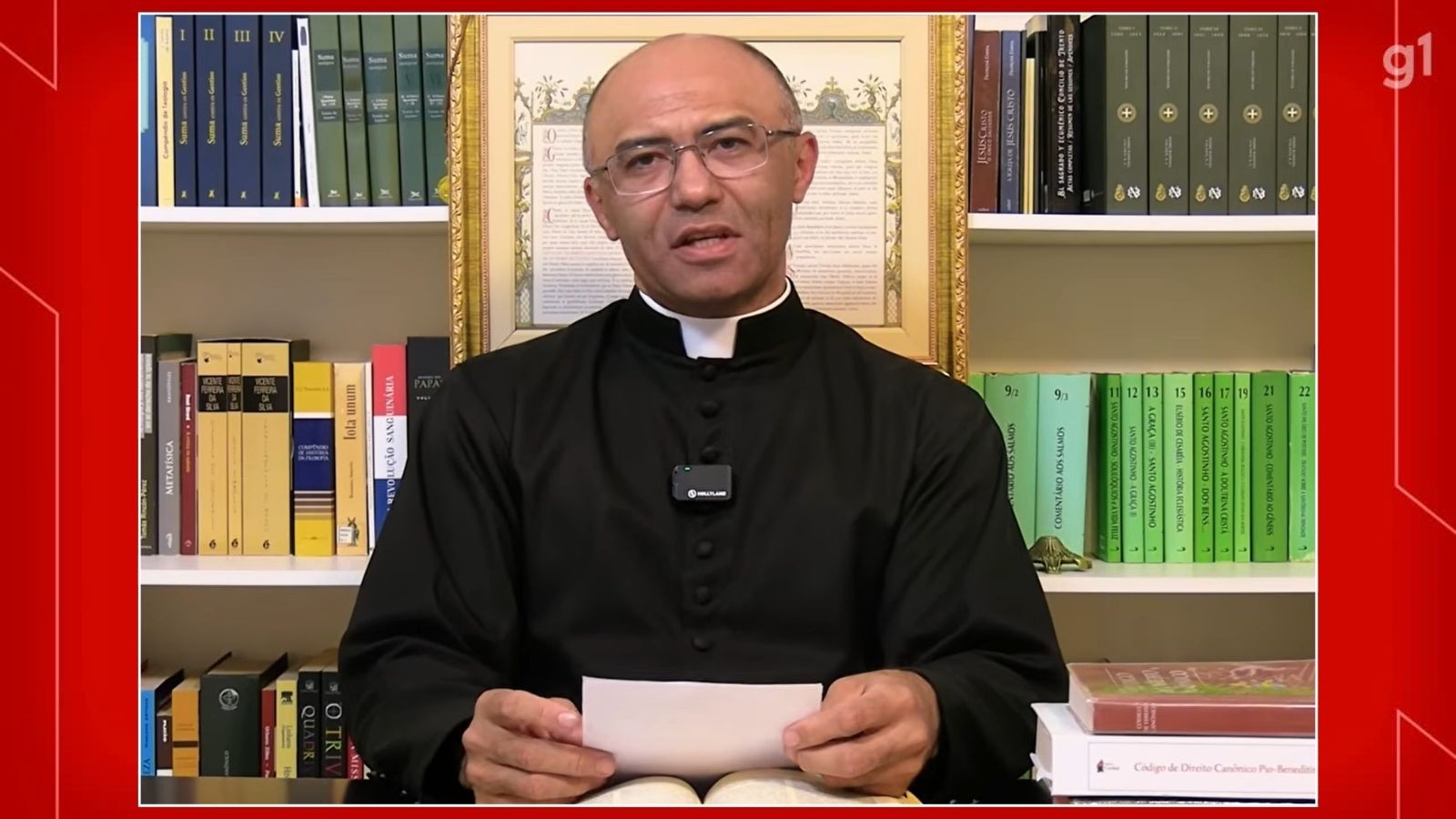
Father Françoá Rodrigues Figueiredo Costa, from the Santo Atanásio Chapel in Ceilândia, Federal District, Brazil, has rejected his excommunication by the Vatican, stating that the punishment is "null" and that he will continue to celebrate masses. The excommunication, confirmed by the Archdiocese of Brasília, stems from his adherence to the Priestly Fraternity of Saint Pius X (FSSPX). This ultraconservative Catholic group has challenged the Pope, leading the Vatican to declare that formal adherents are in schism and excommunicated. Father Costa, however, considers these accusations and excommunications "invalid" and "null." He asserts that he and his followers remain Catholic, continue to pray the Holy Mass daily, and mention the Pope during the liturgy. The Vatican's decision followed the FSSPX's unauthorized ordination of four bishops in Écône, Switzerland, an act deemed "schismatic." The FSSPX advocates for a return to traditional practices, including Latin masses and pre-Vatican II liturgical reforms, and rejects certain post-Vatican II changes. The Archdiocese of Brasília has warned the faithful to avoid the chapel's activities due to the risk of schism and excommunication. Father Costa, in response to a previous statement from the Archdiocese, indicated he would formally reply, emphasizing his commitment to the Catholic faith and his opposition to what he describes as a "synodal, conciliar, and false religion." This conflict with the Vatican is not new, with a similar crisis occurring in 1988 when the FSSPX founder was excommunicated, a penalty later lifted in 2009.
This situation highlights a persistent tension between traditionalist Catholic factions and the Vatican's central authority, particularly concerning liturgical practices and adherence to papal decrees. The FSSPX's actions, seen by the Vatican as a formal schism, represent a challenge to the established hierarchy and its interpretation of Church doctrine. Father Costa's defiance underscores the appeal of traditionalist movements that prioritize historical continuity and specific interpretations of faith over contemporary Vatican directives. The core issue appears to be a disagreement over the definition of "schism" versus "disobedience" and the perceived legitimacy of reforms enacted over the past six decades. This internal Church conflict reflects broader societal trends where established institutions face challenges from groups seeking to preserve or reclaim perceived historical norms, often leveraging digital platforms to disseminate their views and mobilize support.
AI-generated to prompt reflection — not editorial opinion, not advice, not a statement of fact. How this works.