Brazilian prison guards convicted for smuggling drugs and phones for cash
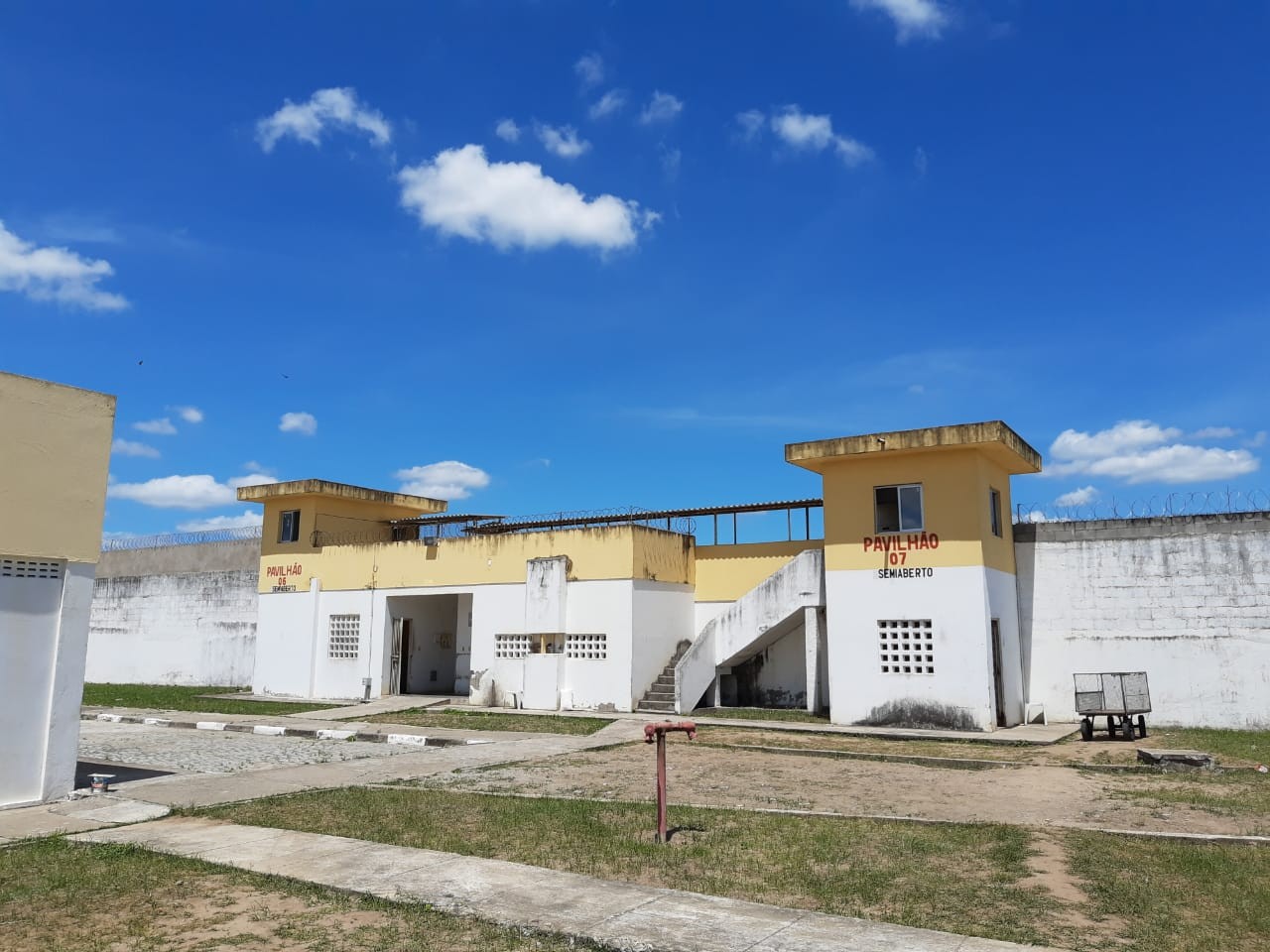
Twelve individuals, including ten prison guards, have been convicted for their roles in a criminal scheme at the Conjunto Penal de Feira de Santana in Bahia, Brazil. The group allegedly facilitated the illegal introduction of drugs, cell phones, and other contraband into the prison. Investigations by the Ministério Público da Bahia (MP-BA), conducted between 2023 and 2024 as part of Operation Sísifo, revealed that prison guards received up to R$5,000 per kilogram of drugs smuggled. They also allegedly charged R$2,500 for each cell phone and R$2,000 for each scale brought into the facility. The MP-BA's charges included criminal organization, passive corruption, facilitating the entry of illicit items, drug trafficking, money laundering, and active corruption. Evidence presented included intercepted communications where guards negotiated prices for contraband. For instance, on January 3, 2023, the alleged ringleader, prison guard Valmir Pereira de Jesus, was negotiating the entry of 9 cell phones, 2 scales, and 2 kilograms of drugs, totaling R$36,500. The MP-BA linked the rapid escalation of violence within and outside the prison, including nine murders in early January 2023, to the easy availability of cell phones, facilitating communication between faction members. The contraband was reportedly smuggled through various methods, including ropes thrown over walls, delivery via guard posts, concealment in medication and food, and through prison kitchens. Between January 2022 and October 2023, authorities seized 531 cell phones, 325 bladed weapons, and over 3,500 portions of drugs within the prison. The convicted guards are currently suspended without pay, pending the finalization of legal proceedings. Defense attorneys for some of the convicted guards have expressed surprise at the verdict and plan to appeal, asserting a lack of concrete evidence.
This case highlights systemic vulnerabilities within correctional facilities that can be exploited for illicit gain. The alleged involvement of prison personnel in facilitating contraband suggests a breakdown in internal controls and oversight mechanisms. The financial incentives described, such as per-kilogram payments for drugs, indicate a profit-driven criminal enterprise operating within the prison system. The MP-BA's assertion that easy access to communication devices fueled external violence raises critical questions about the efficacy of security protocols and their impact on broader public safety. Future efforts to address such corruption should focus on strengthening accountability, improving intelligence gathering on internal corruption networks, and implementing technological solutions to detect and prevent contraband smuggling, thereby mitigating the risk of prisons becoming hubs for organized crime.
AI-generated to prompt reflection — not editorial opinion, not advice, not a statement of fact. How this works.