Brazilian Prosecutors Indict Three for International Human Trafficking of Argentine Woman
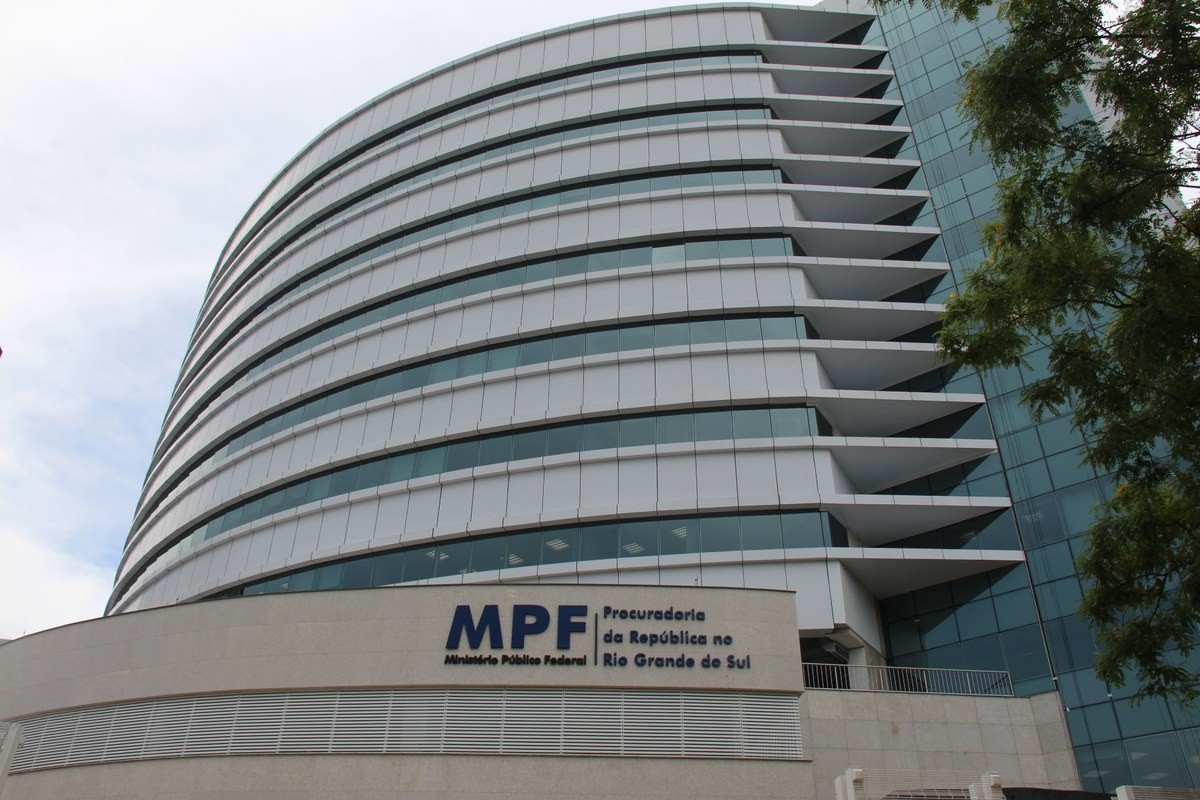
The Federal Public Ministry (MPF) in Rio Grande do Sul, Brazil, has indicted three individuals on charges of international human trafficking, operating a prostitution house, pimping, and criminal association. The case, which is being prosecuted by the 2nd Federal Court of Santa Maria, involves an Argentine woman who was lured from her home province to Brazil under false pretenses of employment. The victim, from Misiones, Argentina, was reportedly contacted by one of the accused who promised a well-paying job in a commercial establishment in Brazil. Motivated by severe socioeconomic vulnerability and the need to support her young child, she accepted the offer.
The accused allegedly financed her journey to the border, where she crossed the river irregularly into Brazil. Upon arrival, she was taken to an establishment in the interior of Rio Grande do Sul, only to discover the exploitative conditions awaiting her. For approximately two months, she endured sexual exploitation without receiving any payment, as her earnings were allegedly withheld by her captors. To prevent her escape, the group reportedly imposed a debt system, charging exorbitant fees for lodging, food, and hygiene products, along with arbitrary fines. The victim was also allegedly coerced into using cocaine to cope with exhaustive night shifts, with the cost of the drug added to her mounting debt. Her freedom of movement was restricted, and she was kept under constant surveillance, making escape impossible due to her lack of funds.
This case highlights the insidious methods employed in international human trafficking, preying on individuals' economic vulnerabilities. The prosecution's charges, including forced debt bondage and drug coercion, underscore the systemic control exerted over victims. Moving forward, strengthening cross-border cooperation and addressing the root causes of socioeconomic instability in vulnerable regions are crucial. Furthermore, proactive measures within destination countries to identify and support victims, coupled with robust legal frameworks that deter traffickers, are essential to disrupt these criminal networks and prevent future exploitation in the digital age.
AI-generated to prompt reflection — not editorial opinion, not advice, not a statement of fact. How this works.