Brazilian Prosecutors Sue Influencer Virginia Fonseca and Betting Site Blaze
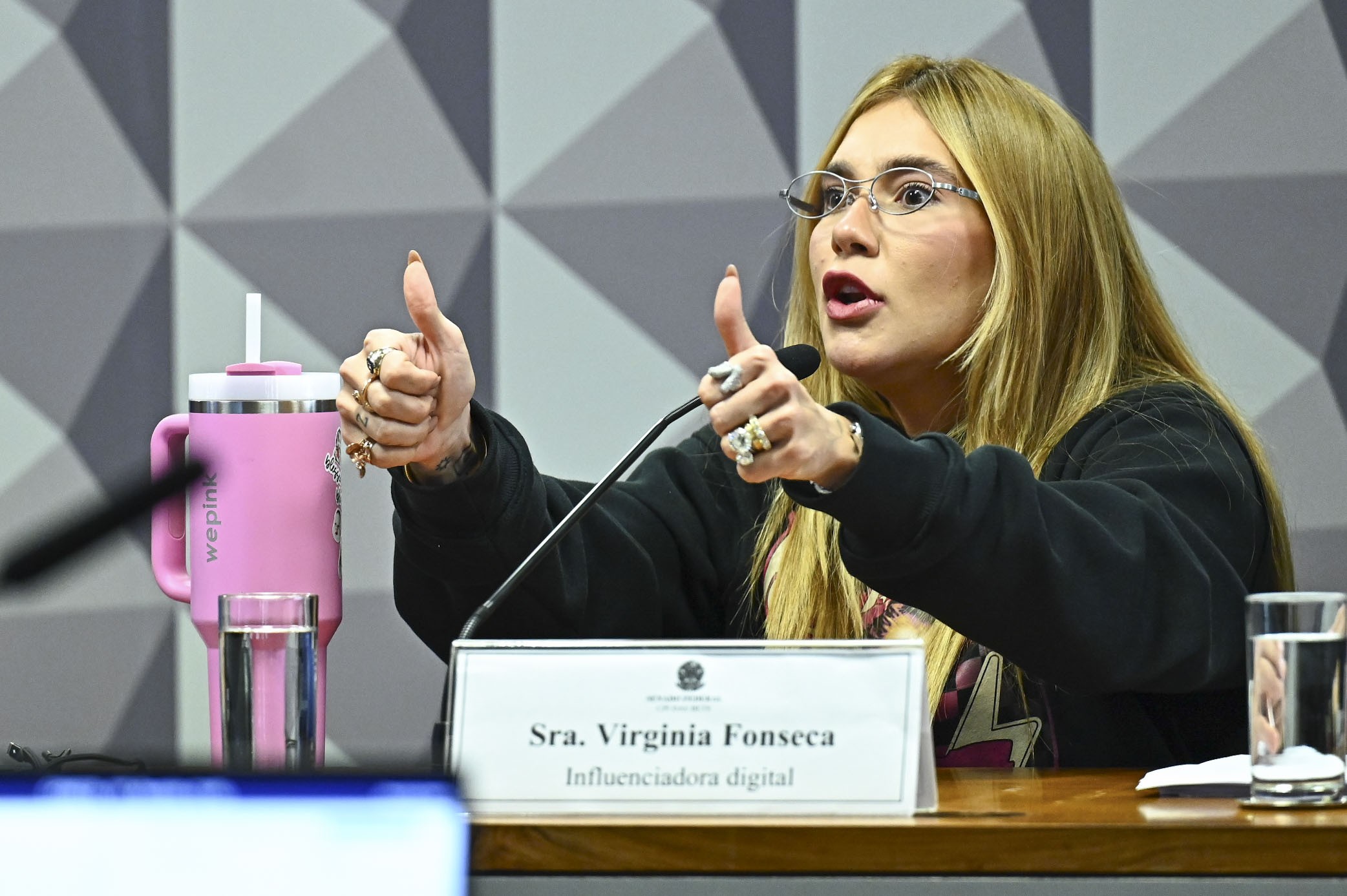
The Public Prosecutor's Office of the Federal District in Brazil has filed a civil public action against influencer Virginia Fonseca and the online betting platform Blaze. Prosecutors allege that the company employs aggressive marketing strategies designed to pressure users into engagement and exploit vulnerabilities, particularly among individuals with lower socioeconomic status who may view the promise of quick gains as a solution to financial pressures. To gather evidence for the lawsuit, Ministry of Justice servers reportedly created accounts on the Blaze platform to monitor its marketing activities, noting the systematic sending of promotional emails. The action also points to "abusive practices, systematic withholding of funds, and the imposition of seemingly unattainable betting targets."
The lawsuit stems from consumer complaints about funds being withheld, accounts being blocked, and generic explanations being provided, alongside a technical report detailing over 42,000 complaints against Blaze. Prosecutors are seeking at least R$120 million in collective moral damages and are requesting the removal of advertisements that guarantee fixed profits or suggest extra income. They also want Blaze to fund and broadcast an educational campaign about the risks of pathological gambling, over-indebtedness, and consumer rights.
According to the prosecutors, influencer marketing, like that used by Fonseca, can lead followers to imitate public figures they admire, validating betting not as a game of chance but as a secure method. The prosecutors argue that these abusive campaigns primarily target economically vulnerable individuals, drawn by the illusory promise of "extra income" and emotional identification with the contracted public figures. Blaze stated that it has not yet been formally notified of the proceedings but remains committed to transparency and compliance with Brazilian law, emphasizing its adherence to best market practices and responsible gaming guidelines.
This civil action highlights the increasing scrutiny of influencer marketing and its potential impact on consumer behavior, particularly concerning high-risk financial products and gambling platforms. The investigation's methodology, involving state actors posing as consumers, underscores a proactive approach by regulatory bodies to uncover potentially deceptive practices within the digital economy. The core of the prosecutor's argument centers on the exploitation of socioeconomic vulnerabilities through aspirational marketing, a dynamic that could become more prevalent as AI-driven personalization enhances targeted advertising. Future regulatory frameworks may need to address the unique responsibilities of influencers and platforms in ensuring transparency and preventing the promotion of potentially harmful or addictive behaviors, especially when targeting economically precarious populations. The substantial damages sought and the call for counter-propaganda suggest a desire to not only penalize but also to educate and mitigate long-term societal risks associated with unchecked digital marketing.
AI-generated to prompt reflection — not editorial opinion, not advice, not a statement of fact. How this works.