Brazilian Referee's Alleged Revenge and Role in 1962 World Cup Controversy
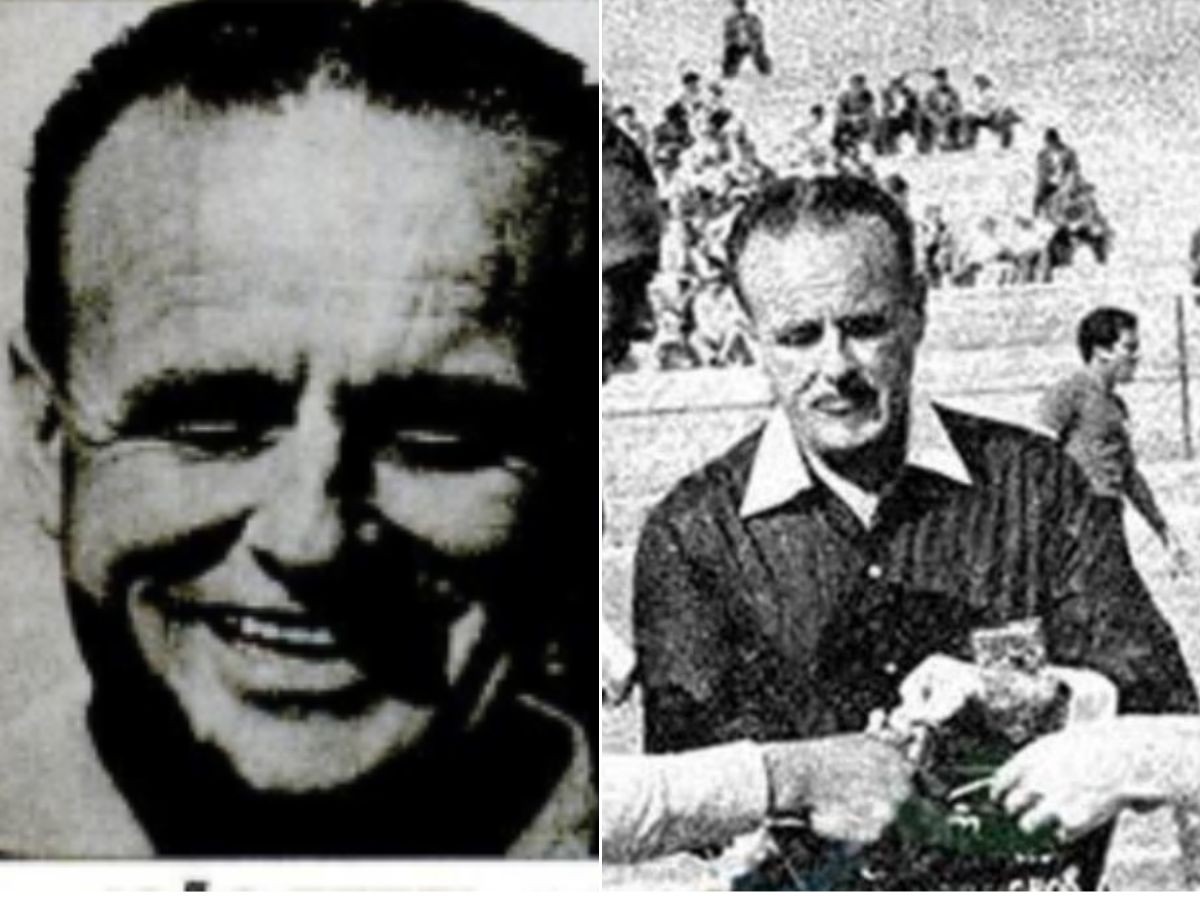
João Etzel Filho, a Hungarian-born Brazilian referee, was a notable figure in the 1962 World Cup. He officiated the match between the Soviet Union and Colombia, which ended in a 4-4 draw. Years later, Etzel claimed he influenced the game's outcome as personal revenge against the Soviets for their 1956 invasion of Hungary, which suppressed the Hungarian Revolution. He stated he directly participated in two of Colombia's four goals, expressing his hatred for the Russians due to the events in his homeland.
Beyond this controversial claim, Etzel was also implicated in a scheme to ensure Brazil's victory in the tournament. Olten Ayres de Abreu, another Brazilian referee at the 1962 World Cup, accused Etzel of facilitating Garrincha's participation in the final. Garrincha had been sent off in the semifinal against Chile but was controversially cleared to play. Ayres de Abreu alleged that Etzel helped pay $10,000 to Esteban Marino, the linesman and sole eyewitness to Garrincha's foul, to ensure his testimony was not given, leading to Garrincha's acquittal. Etzel reportedly kept half of this sum. However, Etzel had previously denied such payments, stating Marino only received FIFA per diems, though he admitted trying to persuade the linesman not to report the expulsion. Etzel, who died in Guarujá in 1988, was a prominent figure in São Paulo football, known for his influence and alleged acceptance of 'prizes' from clubs.
This account highlights the complex interplay of personal vendettas, nationalistic sentiment, and alleged behind-the-scenes manipulation within international football during the 1960s. The narrative surrounding João Etzel Filho's actions, particularly his claimed influence on the USSR-Colombia match and the alleged scheme involving Garrincha's eligibility, raises questions about the integrity of sporting outcomes when personal and political motivations intersect with officiating duties. The alleged financial transactions and Etzel's admitted influence within the Paulista Football Federation suggest systemic issues regarding governance and transparency in football administration during that era. Examining these historical events through the lens of modern sports governance reveals the evolution of regulatory frameworks designed to mitigate such conflicts of interest and ensure fair play, underscoring the ongoing challenge of maintaining impartiality in high-stakes competitions.
AI-generated to prompt reflection — not editorial opinion, not advice, not a statement of fact. How this works.