Brazilian Reptile Guide Earns Jabuti Academic Award Finalist Nod
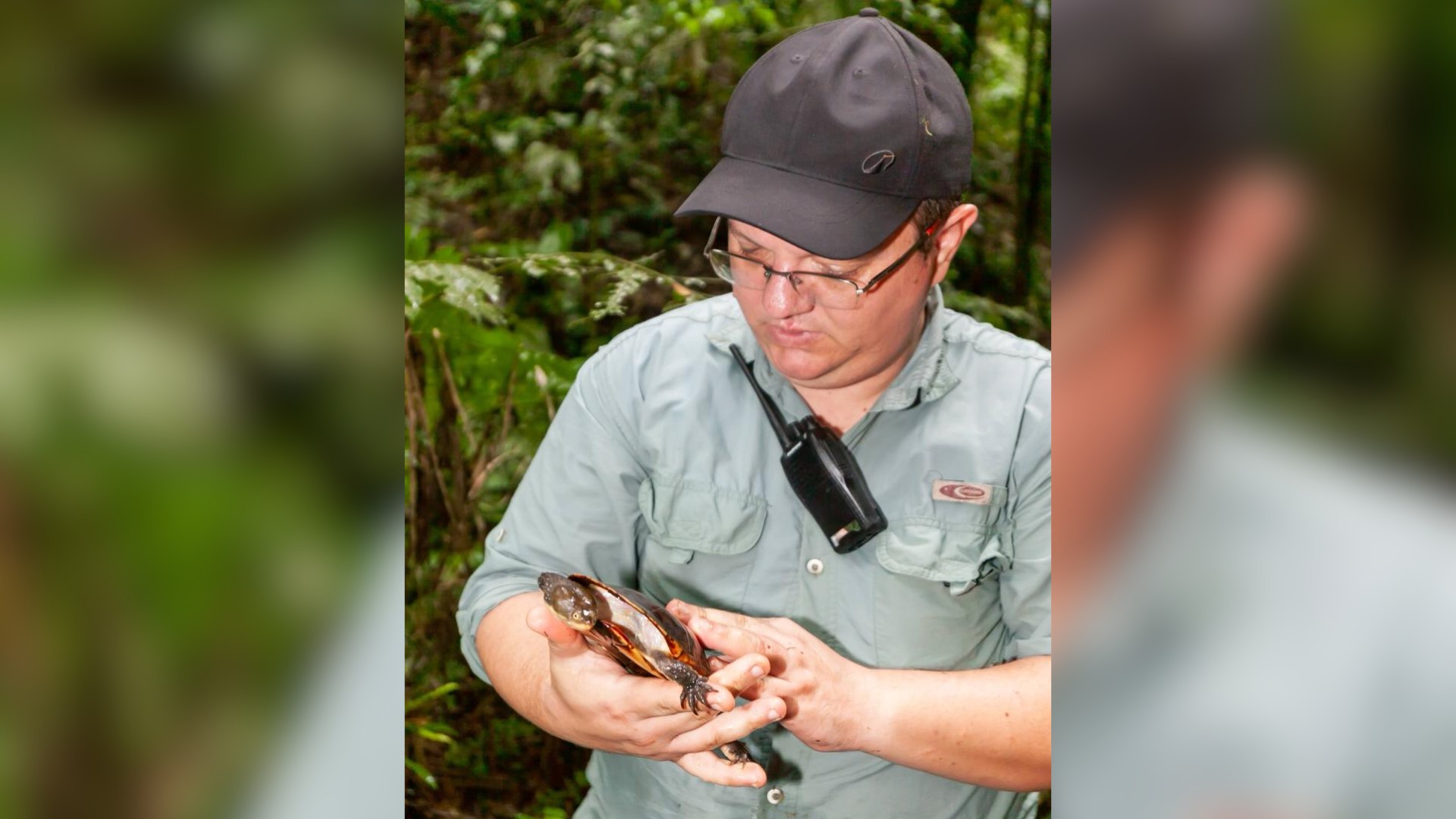
A comprehensive book detailing all Brazilian species of turtles, tortoises, terrapins, and crocodilians has been named a finalist for the prestigious Jabuti Academic Award in the Biological Sciences, Biodiversity, and Biotechnology category. Titled "Continental Chelonians and Crocodilians of Brazil," the work was co-authored by Professor Thiago Simon Marques, coordinator of Biological Sciences at the University of Sorocaba (Uniso), along with 15 other researchers. This significant publication aims to serve as a definitive guide for professionals, amateurs, and enthusiasts interested in these reptiles. The book previously received national recognition as the best book in Zoology from the Brazilian Zoologica Society, earning the Alexandre Rodrigues Ferreira Award in 2026. It covers 32 species of continental chelonians and six species of crocodilians found in Brazil, including detailed information on their biology, ecology, distribution, conservation status, and identification keys. Professor Marques highlighted the necessity of consolidating scattered scientific information, often published in English and difficult to access, into a single, free, Portuguese-language resource. This initiative seeks to democratize scientific knowledge and make it more accessible to a broader audience. The book also emphasizes the presence of some species, like the common terrapin and the yellow-spined caiman, even in urban areas around Sorocaba. Researchers underscore the vital ecological roles these animals play in freshwater and coastal ecosystems, such as seed dispersal and food chain regulation, stressing the importance of their study for conservation policies. The Jabuti Academic Award nomination, among over 2,000 entries, is seen as a validation of the team's work and a crucial step in raising national awareness and support for the conservation of Brazilian fauna. The award ceremony is scheduled for August 11.
This academic achievement highlights the critical role of accessible, consolidated scientific literature in fostering both public engagement and informed conservation efforts. By translating dispersed, often English-language research into a free, Portuguese resource, the authors address a systemic barrier to knowledge dissemination. This initiative not only empowers students and enthusiasts but also provides a foundational tool for policymakers. The book's focus on biodiversity and ecological roles underscores the interconnectedness of ecosystems, particularly freshwater and coastal environments, which are increasingly vulnerable to anthropogenic pressures. As AI continues to revolutionize data analysis and accessibility, such foundational works serve as crucial anchors for future research, conservation strategy, and public education, ensuring that vital ecological knowledge is not confined to academic silos but actively contributes to environmental stewardship over the next decade.
AI-generated to prompt reflection — not editorial opinion, not advice, not a statement of fact. How this works.