Brazilian researchers argue Nile tilapia meets criteria for invasive species
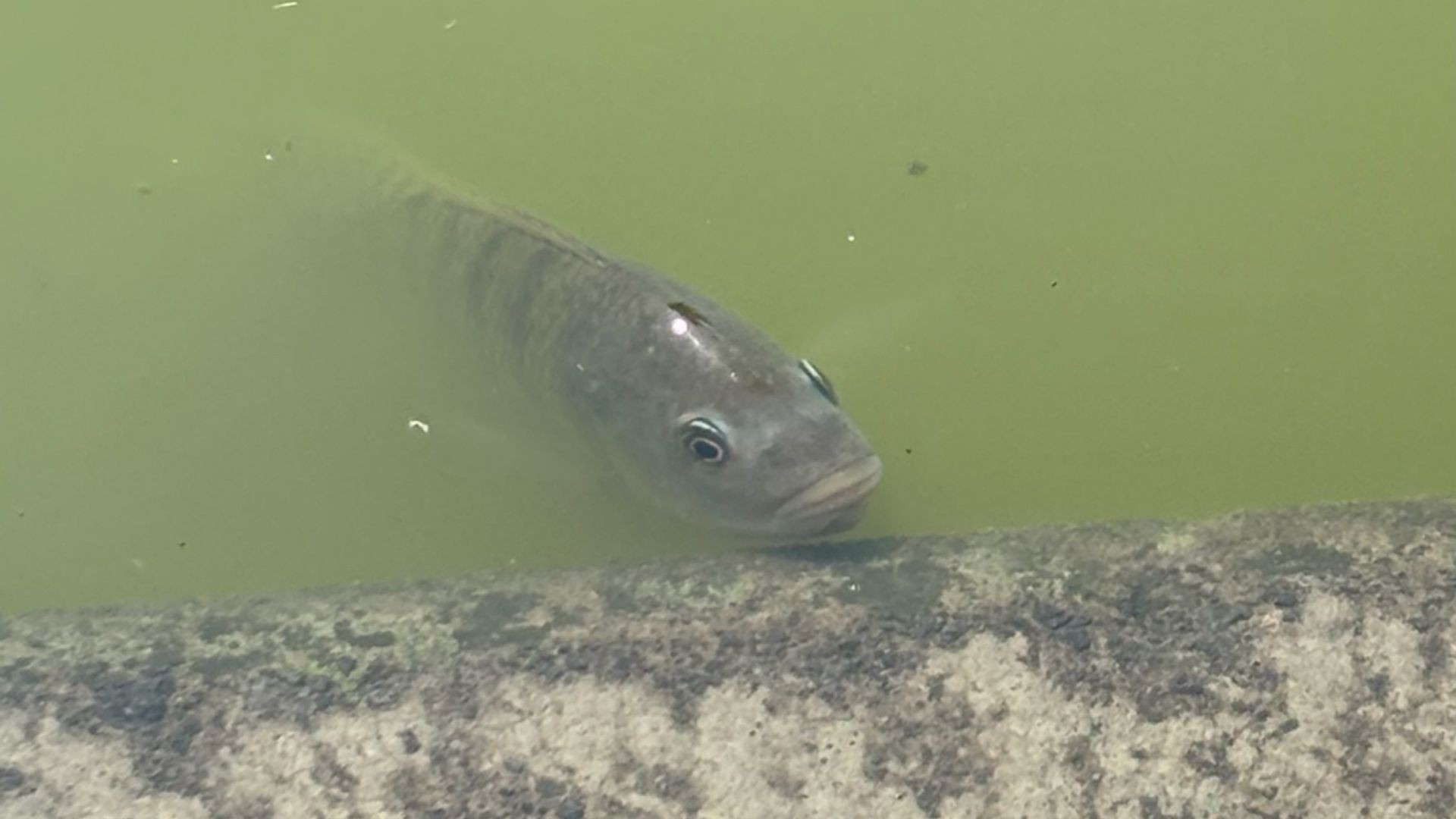
A technical note signed by 33 Brazilian researchers has reignited the scientific debate regarding the ecological impact of Nile tilapia (Oreochromis niloticus) in natural environments. Published on June 29th, the document compiles scientific literature to assert that the species fulfills the international criteria for classification as an invasive exotic species. This initiative aims to inform ongoing discussions within Brazil's National Biodiversity Commission (CONABIO) and address concerns about the species' ecological risks, distinct from its economic importance.
Tilapia is a cornerstone of Brazilian aquaculture, with 707,495 tons produced in 2025, representing approximately 70% of the nation's total farmed fish production. It also accounts for about 94% of Brazil's pisciculture exports, positioning the country as the fourth-largest global tilapia producer. Despite its economic significance, the presence of tilapia in natural rivers, lakes, and reservoirs has drawn considerable scientific attention due to its potential to alter native ecosystems. The researchers emphasize that their goal is not to undermine the economic value of tilapia farming but to highlight the accumulated scientific knowledge on its ecological threats, urging policy decisions to be grounded in solid scientific data, especially when faced with proposals to relax regulations on exotic species.
The Nile tilapia was officially introduced to Brazil in 1971 by the National Department of Works Against Droughts (DNOCS) to stock public reservoirs in the Northeast and increase fish supply. However, its rapid growth, adaptability, and high reproductive capacity, which have fueled its aquaculture success, also contribute to its potential for biological invasion when individuals escape and establish self-sustaining populations in natural habitats. The researchers advocate for robust biosafety measures, ecological zoning, and respect for native fauna, stating that recognizing tilapia as invasive does not necessitate an outright ban but rather informed strategies for prevention, monitoring, and management.
This technical note highlights a critical tension between established economic activities and ecological preservation in Brazil, a megadiverse nation. The scientific consensus presented suggests that the widespread cultivation and potential escape of Nile tilapia may pose significant risks to native aquatic ecosystems, which harbor unparalleled biodiversity. The researchers' call for evidence-based policy underscores the need for regulatory frameworks that proactively manage the ecological footprint of aquaculture. Future policy decisions will likely involve balancing the substantial economic benefits derived from tilapia farming against the long-term costs of potential ecological disruption and the loss of unique native species. This situation exemplifies a broader challenge in the Anthropocene: integrating ecological considerations into economic models to ensure sustainable development, particularly as global food demand and aquaculture production continue to rise.
AI-generated to prompt reflection — not editorial opinion, not advice, not a statement of fact. How this works.