Brazilian Restaurateur Becomes Drone Operator and Fighter in Ukraine War
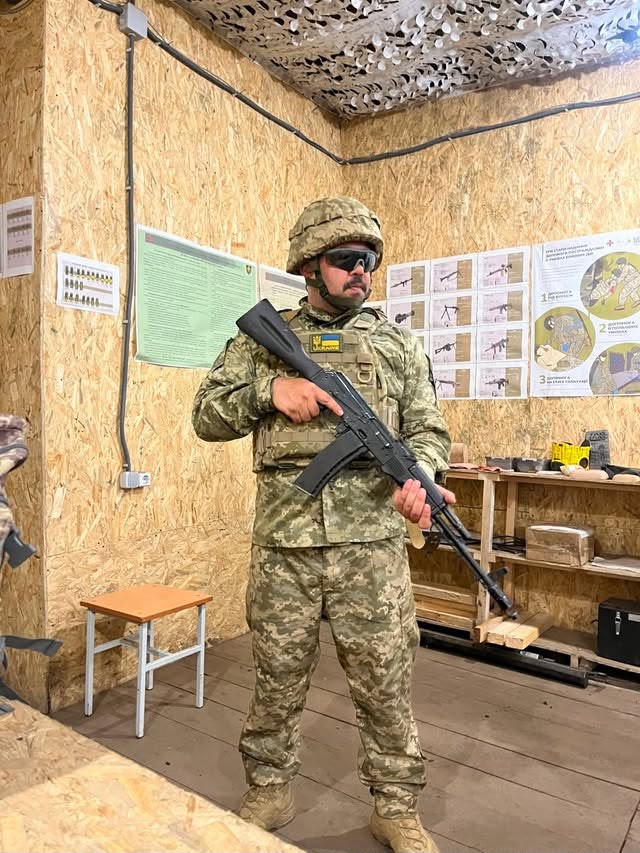
Antônio Piancó, a former Japanese restaurant owner from Ariquemes, Rondônia, Brazil, has traded his business for the front lines of the war in Ukraine. Operating under the codename "Delta," Piancó volunteered to fight against the Russian invasion, stating his motivation is not financial but a belief in fighting for the "right side." He has spent over R$3,500 of his own money on equipment to join the conflict. Piancó, who never served in the Brazilian Army, utilizes his skills as a sports shooter and drone pilot to operate drones in combat zones. He shares aspects of his front-line routine on social media, showing himself in uniform with a rifle. Despite the risks and distance from home, Piancó receives encouragement from his family, including his mother, brother, sister-in-law, and nephews. His exact location is kept secret for security reasons. He advises potential volunteers to join only if they genuinely wish to help, not for financial gain. Piancó plans to return to Brazil after the war and open another sushi restaurant, this time in João Pessoa, Paraíba.
This narrative highlights an individual's profound commitment to a foreign conflict, driven by ideological conviction rather than material gain. It underscores the complex motivations that draw civilians into armed struggles, particularly when perceived principles of sovereignty and freedom are at stake. The story also implicitly touches upon the globalized nature of modern conflicts, where individuals can transcend national borders to participate. From a systems perspective, the willingness of individuals like Piancó to self-fund their involvement raises questions about the sustainability of such volunteer efforts and the broader implications for international security dynamics. It also prompts reflection on how personal agency intersects with geopolitical events, and the enduring human impulse to align with perceived moral imperatives, even at significant personal cost.
AI-generated to prompt reflection — not editorial opinion, not advice, not a statement of fact. How this works.