Brazilian Schools Embrace Cell Phones for Learning Amidst Infrastructure Challenges
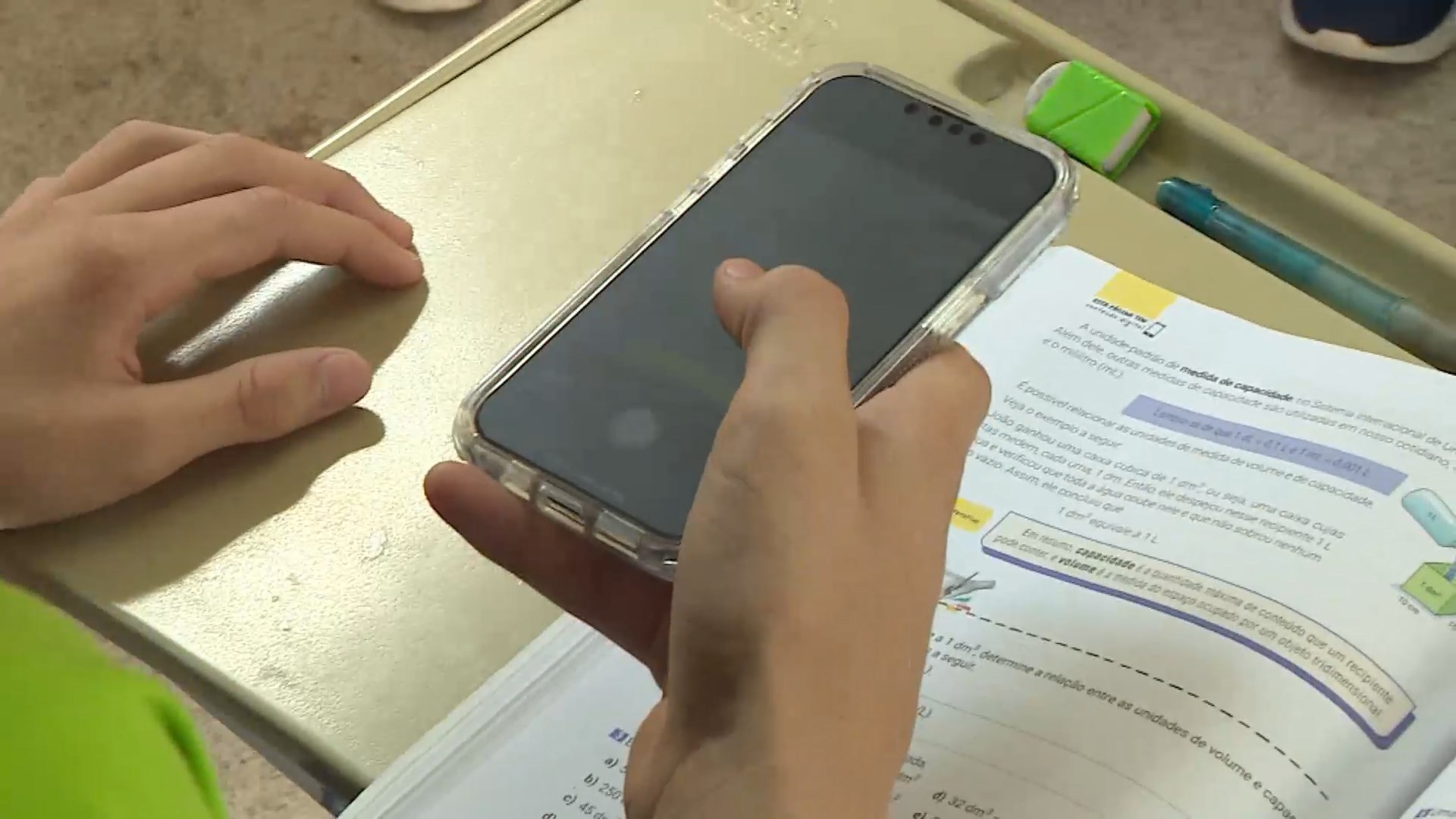
Nearly two years after a national ban, four out of ten Brazilian schools now permit students to bring personal cell phones onto campus. A significant majority, 66%, of these institutions allow students to use their devices for educational purposes. This trend is particularly prevalent in schools located in the North and Northeast regions, rural areas, and smaller institutions with up to 150 students. A recent survey, detailed in the TIC Educação 2025 report released on October 3rd, surveyed 2,404 public and private school administrators across urban and rural settings. While 51% of schools still prohibit personal cell phones, 24% instruct students to keep them stored away, and only 16% provide dedicated storage areas. Municipal schools, those serving early elementary grades, and urban schools tend to be more restrictive, whereas state and high schools face greater challenges in regulating phone use and are more likely to permit them, albeit with instructions for storage during class. The report also highlighted disparities in technological infrastructure and internet connectivity. Seventy-one percent of Brazilian schools possess audiovisual equipment, but only 23% have robotics materials and 22% offer maker-space resources. Internet access in classrooms is available in 69.5% of public schools and 55% of private ones. Robotics resources are more common in private schools (27%) compared to state (14%) and municipal (6%) institutions. However, internet availability in common areas like courtyards is declining across all networks. Eighty percent of schools discuss technology's impact on student well-being with parents, a significant increase from 62% in 2024. While 53% of administrators use AI in school administration and 37% permit student AI use, only 22% have formal guidelines. Digital education activities are conducted by 65% of schools, but low family participation (75%) and lack of support resources (64%) are major obstacles.
The integration of personal cell phones into Brazilian classrooms signifies a pragmatic adaptation to evolving student technology habits, moving beyond outright prohibition towards pedagogical utility. However, the persistent disparities in technological infrastructure and internet connectivity across regions and school types underscore a critical equity challenge. As schools increasingly adopt digital tools and emerging technologies like AI, the lack of formal guidelines for their use, coupled with low family engagement in digital education, points to systemic governance gaps. Future policy must address these infrastructural deficits and develop comprehensive frameworks for responsible technology integration to ensure equitable access to educational advancements for all students, rather than allowing technological adoption to exacerbate existing inequalities.
AI-generated to prompt reflection — not editorial opinion, not advice, not a statement of fact. How this works.
