Brazilian Scientist Honored in Germany for Cancer Research Breakthrough
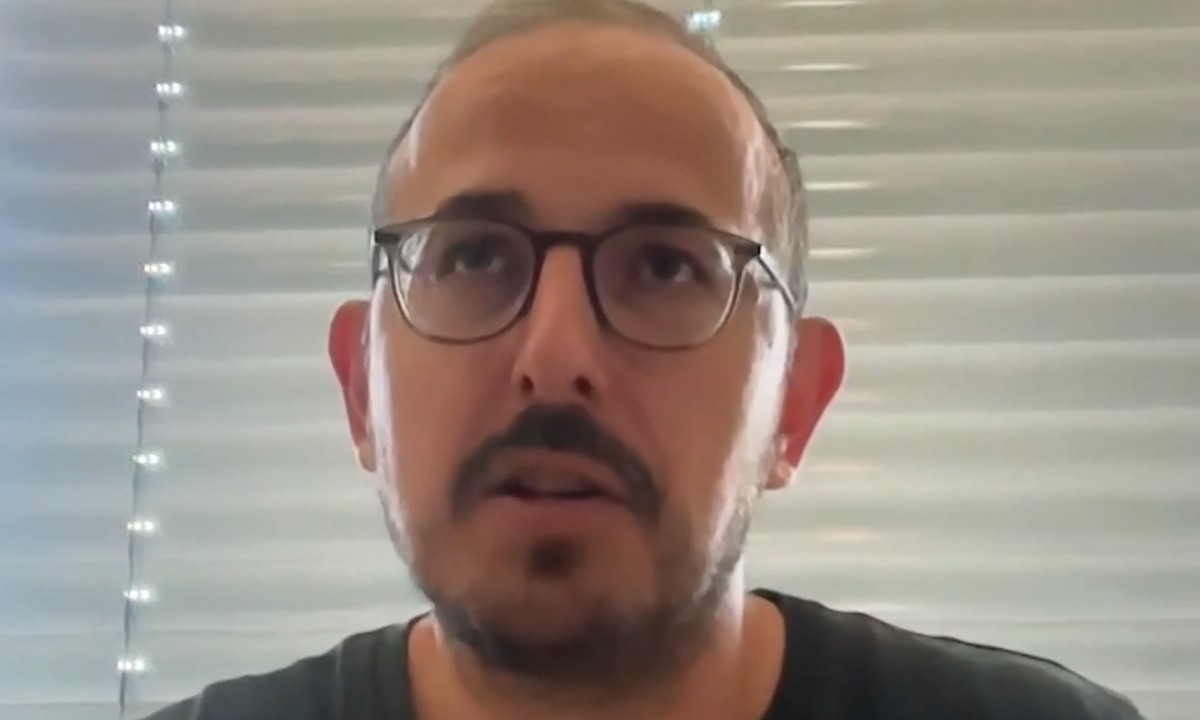
Brazilian researcher and professor José Pedro Friedmann Angeli, based at the University of Würzburg in Germany, has received a prestigious German Cancer Award for his experimental research. The award recognizes his team's discoveries regarding the fundamental biology and regulation of ferroptosis, a type of programmed cell death linked to lipid degradation. This research holds significant relevance for cancer treatment, particularly in developing strategies to eliminate drug-resistant cancer cells. Angeli explained that ferroptosis involves the oxidation of fatty acids within cells, a process analogous to how fats like butter can degrade when exposed to oxygen. While ferroptosis can contribute to certain diseases, its controlled induction shows promise in combating specific cancers. His group has been instrumental in elucidating the molecular mechanisms controlling ferroptosis, including the role of a key enzyme, and has developed compounds with potential therapeutic applications. This work, bridging basic biology and drug development, earned him the German Cancer Award. Angeli cautioned that the research is still in its early stages, with clinical applications potentially 10 to 15 years away if all goes well. However, laboratory studies have indicated that ferroptosis can effectively target aggressive and treatment-resistant tumors, making it a highly promising avenue for future cancer therapies.
This award highlights a significant advancement in understanding cellular mechanisms with potential therapeutic applications. The research into ferroptosis, a form of cell death, offers a novel perspective on targeting cancer cells, particularly those resistant to conventional treatments. The long-term timeline for clinical translation underscores the inherent challenges and rigorous validation required in drug development. Future progress will likely depend on continued interdisciplinary collaboration, robust preclinical testing, and navigating the complex regulatory pathways for novel therapies. The development of treatments based on ferroptosis could represent a paradigm shift in oncology, moving beyond traditional chemotherapy and radiation by exploiting specific cellular vulnerabilities.
AI-generated to prompt reflection — not editorial opinion, not advice, not a statement of fact. How this works.