Brazilian Senate Approves Bill to Elevate Cefet-MG and Cefet-RJ to Federal Universities
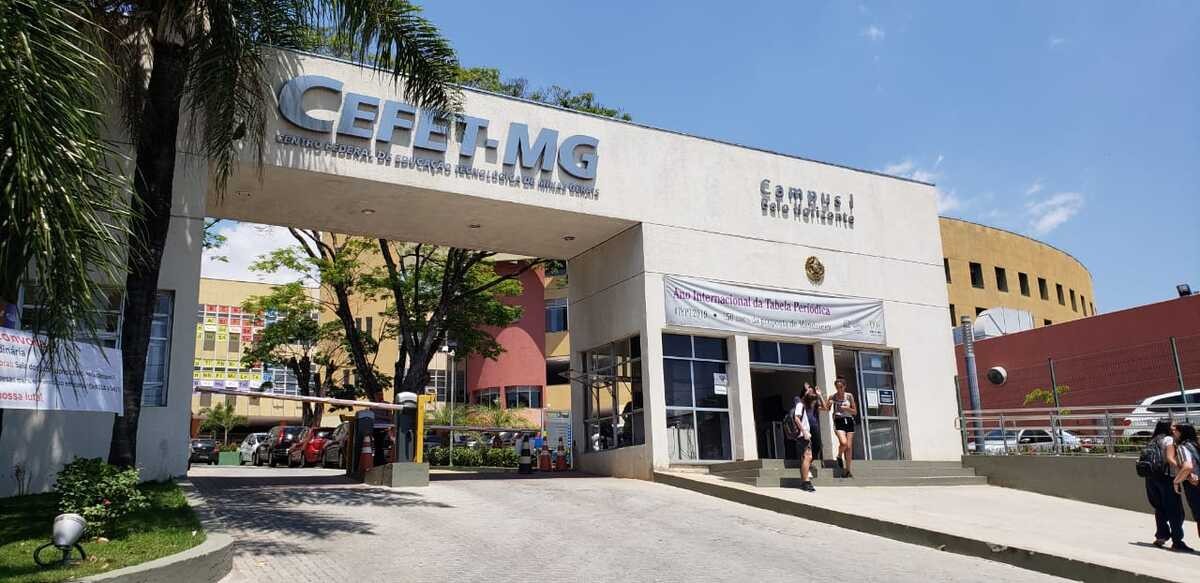
The Brazilian Senate has approved a bill that will transform the Federal Centers for Technological Education of Minas Gerais (Cefet-MG) and Celso Suckow da Fonseca (Cefet-RJ) into federal technological universities. The legislation, authored by federal deputy Patrus Ananias, now moves to President Lula for his consideration. If enacted, these institutions will gain administrative, financial, and academic autonomy. They are slated to offer undergraduate and postgraduate programs focused on technology, as well as continuing education and applied research. Crucially, the bill ensures the continuity of existing technical courses at the secondary level. Budgetary allocations, campuses, and enrolled students will be seamlessly transferred to the newly formed universities, named the Federal Technological University of Minas Gerais (UTFMG) and the Federal Technological University of Rio de Janeiro (UTFRJ). Each will be led by a rector appointed by the President and will feature a university council. The Ministry of Education will oversee the implementation process. Senator Camilo Santana, the rapporteur, emphasized the institutions' strong reputations for qualified faculty and students and their significant scientific output, arguing that this elevation will bolster higher technological education and contribute to national development.
The legislative move to elevate Cefet-MG and Cefet-RJ to university status reflects a strategic governmental intent to expand and deepen technological and scientific research capacity within Brazil's higher education system. This transformation, by granting greater autonomy, aims to foster more robust innovation ecosystems and enhance the institutions' ability to attract talent and funding. The emphasis on maintaining technical education alongside advanced studies suggests a policy balancing immediate workforce needs with long-term research and development goals. Future challenges will likely involve ensuring equitable resource distribution among these newly empowered institutions and aligning their expanded mandates with national economic and technological development strategies in an increasingly competitive global landscape.
AI-generated to prompt reflection — not editorial opinion, not advice, not a statement of fact. How this works.