Brazilian Senate Honors Rede Matogrossense de Comunicação at 60 Years
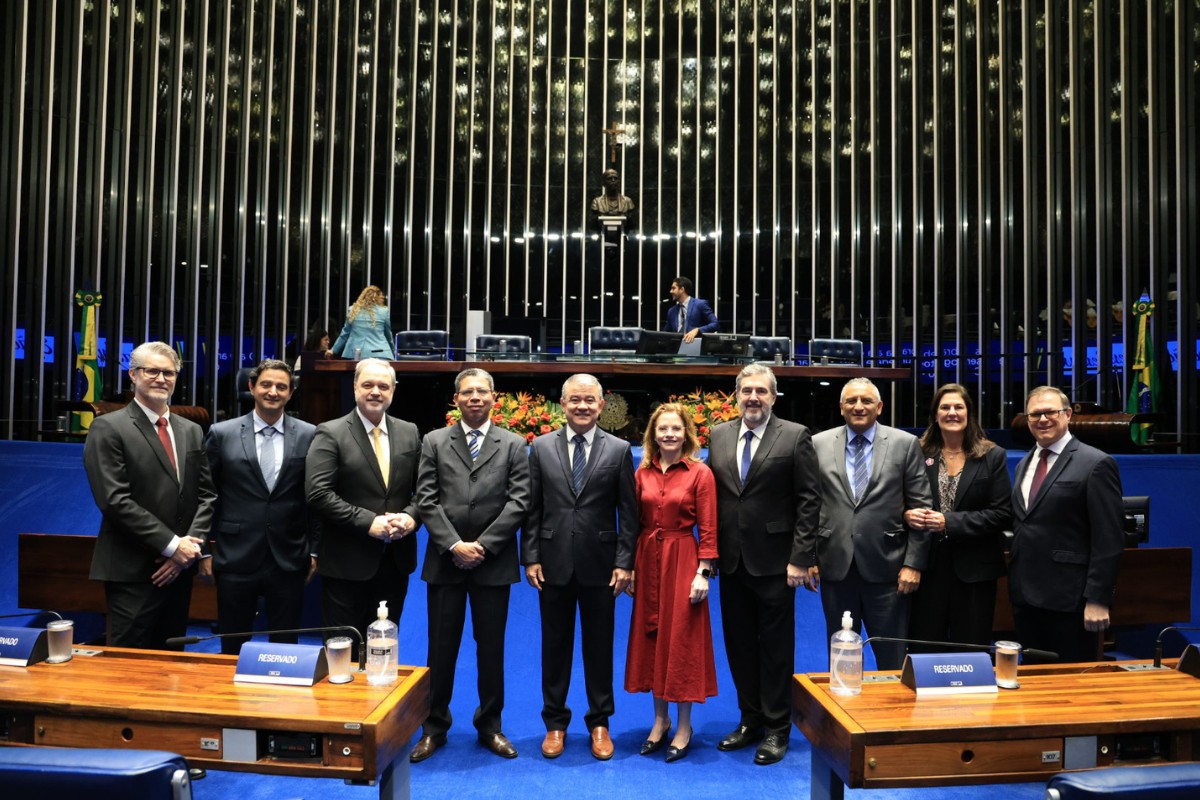
The Brazilian Senate held a special session on Monday, June 6th, to honor the 60th anniversary of Rede Matogrossense de Comunicação (RMC), a prominent media group in Brazil's Center-West region. Founded on December 25, 1965, RMC has operated for six decades, encompassing television stations, radio, and news portals across Mato Grosso and Mato Grosso do Sul. Its television affiliates include TV Centro América in Mato Grosso and TV Morena in Mato Grosso do Sul, both affiliated with Rede Globo. The group expanded its reach in 2026 by acquiring Rede Anhanguera, also a Rede Globo affiliate for over 50 years, with operations in Goiás and Tocantins. Throughout its history, RMC has covered significant events in Mato Grosso, such as the major Cuiabá flood in 1974, the visit of Pope John Paul II in 1991, and the 2006 Gol Flight 1907 crash, where its teams accessed a difficult-to-reach area for coverage. The tribute, proposed by Senator Wellington Fagundes, acknowledged RMC's role in integrating Mato Grosso into the rest of Brazil through communication. Pedro Zahran Turqueto, CEO of Copa Energia and grandson of founder Ueze Elias Zahran, highlighted the family's resilience and RMC's societal responsibility. Nicomedes Silva Filho, RMC's General Director, emphasized the region's economic importance and the transformative power of ethical journalism in combating misinformation. The session was attended by various members of the Zahran family and RMC directors, celebrating the company's enduring legacy and its coverage of the states' transformations, including agribusiness expansion, urbanization, tourism, environmental preservation, and political events like the Grampolândia scandal.
The Senate's tribute to RMC at its 60th anniversary underscores the historical and ongoing significance of regional media in national integration and development. The recognition highlights the dual role of such organizations: facilitating communication within historically isolated areas and serving as economic engines. In an era increasingly shaped by digital platforms and the challenges of disinformation, RMC's emphasis on ethical journalism and its deep roots in regional reporting position it as a potential model for maintaining public trust. The longevity of RMC, spanning significant political and social shifts in Brazil, suggests an adaptive business model that has successfully navigated evolving media landscapes and societal needs, offering insights into sustainable media operations for the next decade.
AI-generated to prompt reflection — not editorial opinion, not advice, not a statement of fact. How this works.