Brazilian Senators Debate Ending the 6x1 Work Schedule
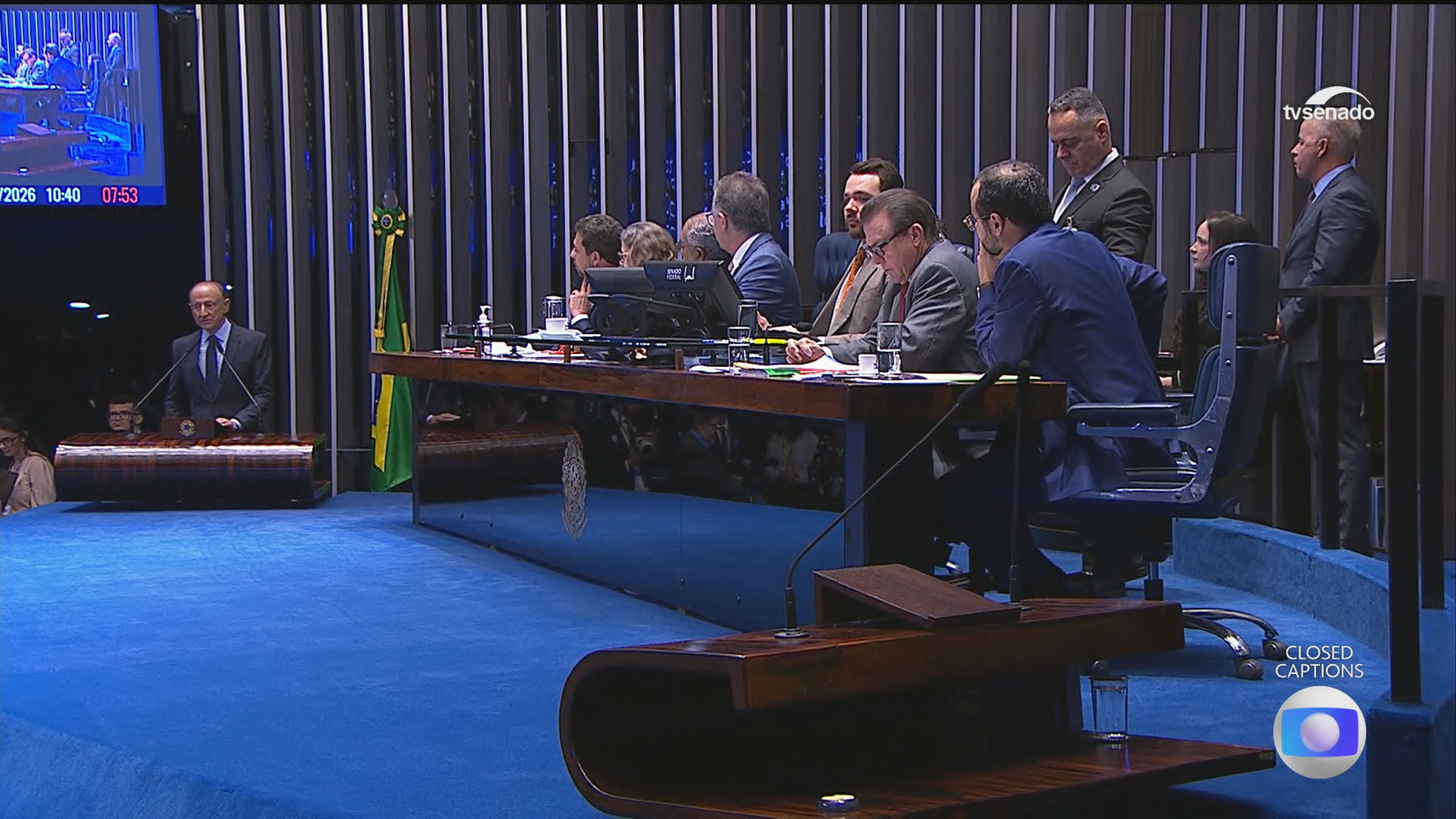
Senators in Brazil are currently debating a legislative proposal aimed at eliminating the 6x1 work schedule, a system where employees work six days and have one day off. The proposed text, which has already been approved by the Chamber of Deputies, seeks to reduce working hours without a corresponding decrease in salary, while also establishing two weekly rest days. A transitional rule is in place: two days of weekly rest and a reduction in the workweek from 44 to 42 hours will take effect 60 days after the amendment is enacted. One year later, another two-hour reduction will bring the standard workweek down to 40 hours.
This change could affect nearly 15 million workers currently on the 6x1 schedule, with 5.5 million of them employed by micro and small businesses. The Senate's debate session included discussions with representatives from the productive sector, labor unions, and the government regarding the economic and employment impacts of these proposed changes. Minister of Entrepreneurship, Paulo Pereira, expressed support, arguing that the reform would stimulate business by providing more free time for individuals to engage in part-time entrepreneurship, generate income, and develop new ventures.
Conversely, Paulo Skaf, president of Fiesp, voiced concerns that the reduction in working hours could exacerbate informality in the labor market, particularly affecting small and micro-enterprises. Ricardo Alban, president of the National Confederation of Industry, warned that the change might threaten Brazil's competitiveness due to increased costs without guaranteed productivity gains, advocating for more time for thorough discussion. Vander Costa, president of the National Confederation of Transport, projected significant cost increases, estimating over R$11 billion annually in higher freight and public transportation fares, and urged caution against hasty decisions on such a long-term issue.
The proposed elimination of the 6x1 work schedule in Brazil represents a significant shift in labor regulations, aiming to balance worker well-being with economic productivity. While proponents highlight potential boosts to entrepreneurship and personal income through increased leisure time, critics raise valid concerns about increased operational costs for businesses, particularly small and medium-sized enterprises, and the risk of exacerbating labor market informality. The debate highlights a fundamental tension between improving working conditions and maintaining economic competitiveness in a globalized market. Future policy decisions will need to carefully consider the macroeconomic implications, including potential inflationary pressures on goods and services, and ensure adequate support mechanisms for businesses to adapt to reduced working hours without compromising employment levels or national economic standing. The long-term success of such reforms will likely depend on accompanying productivity enhancements and a robust strategy to manage the transition for all stakeholders.
AI-generated to prompt reflection — not editorial opinion, not advice, not a statement of fact. How this works.