Brazilian Singer Leonardo Tests New Payment Skill with $0.20 Transfer to Fan
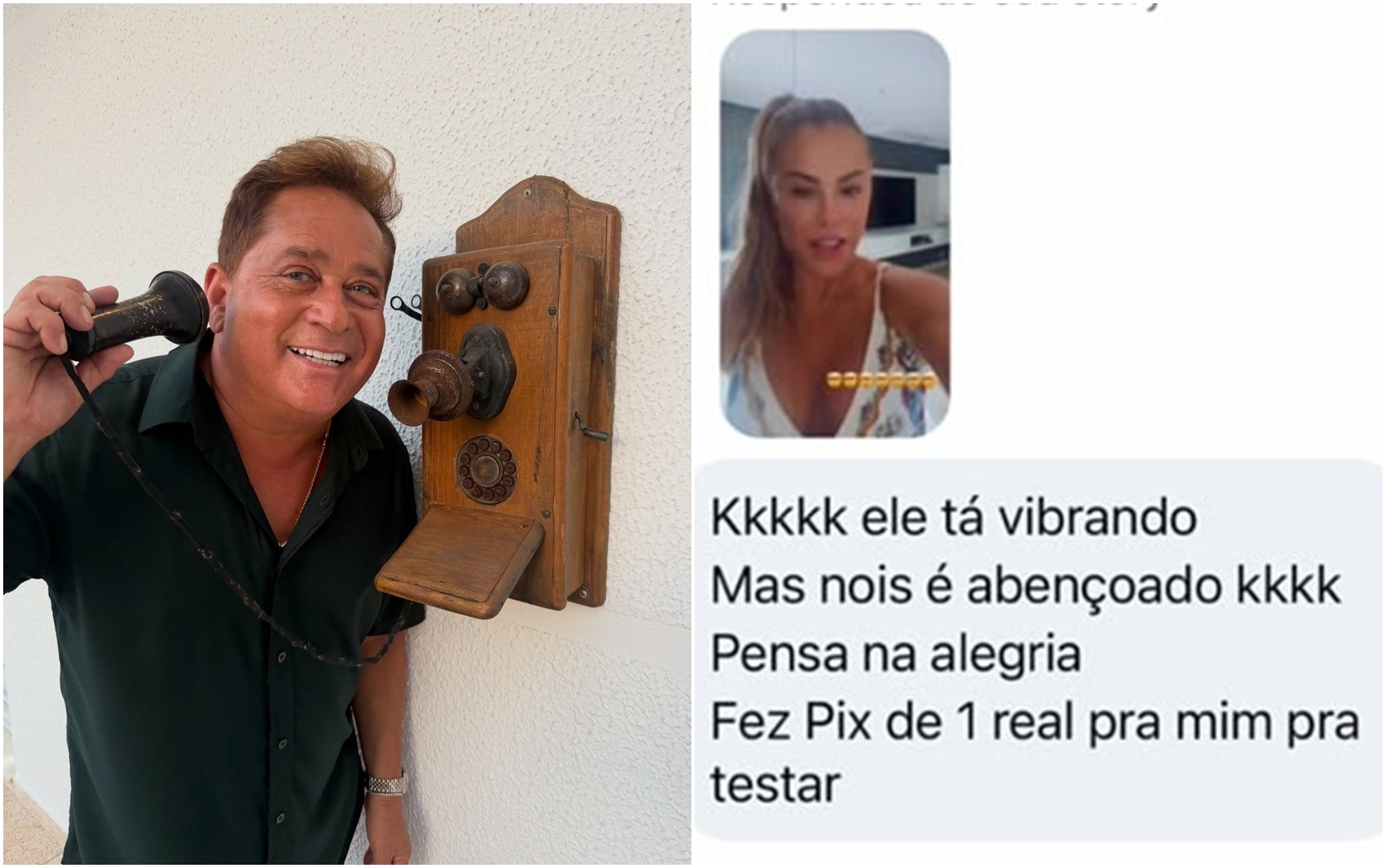
Brazilian sertanejo singer Leonardo has reportedly learned how to use Pix, the country's instant payment system. His wife, Poliana Rocha, shared the news with followers, detailing Leonardo's excitement about mastering the new technology. To test his newfound ability, Leonardo sent a nominal amount of R$1 (approximately $0.20 USD) to a fan. The fan, in turn, shared a screenshot with Poliana, humorously noting Leonardo's enthusiasm and his choice of a small amount for the test transaction. Poliana mentioned that someone had set up an account for Leonardo and taught him how to use the system. She playfully expressed that she had hoped he wouldn't learn to use Pix, anticipating his eagerness with the new payment method. Pix, launched by the Central Bank in 2020, allows for instant transfers and payments within seconds, operating 24/7, including weekends and holidays. It is widely used in Brazil and is generally free for individuals. This incident highlights the widespread adoption and user engagement with digital payment systems in Brazil.
The anecdote of Leonardo learning and testing the Pix payment system illustrates the broad societal integration of digital financial tools in Brazil. The singer's enthusiastic engagement, even with a minimal transaction, reflects a common user experience of exploring new technologies. This event underscores the success of the Pix system, developed by the Central Bank, in achieving rapid adoption and user familiarity. From a systemic perspective, such widespread individual adoption can accelerate financial inclusion and efficiency, reducing reliance on traditional banking methods. The narrative also implicitly highlights the role of public-private collaboration in technology rollout, where a government-backed system is readily embraced by individuals and potentially influences broader market dynamics in financial services over the next decade.
AI-generated to prompt reflection — not editorial opinion, not advice, not a statement of fact. How this works.