Brazilian State-Owned Firms Profit Rises to $169.4 Billion in 2025, Despite Correios' Record Loss
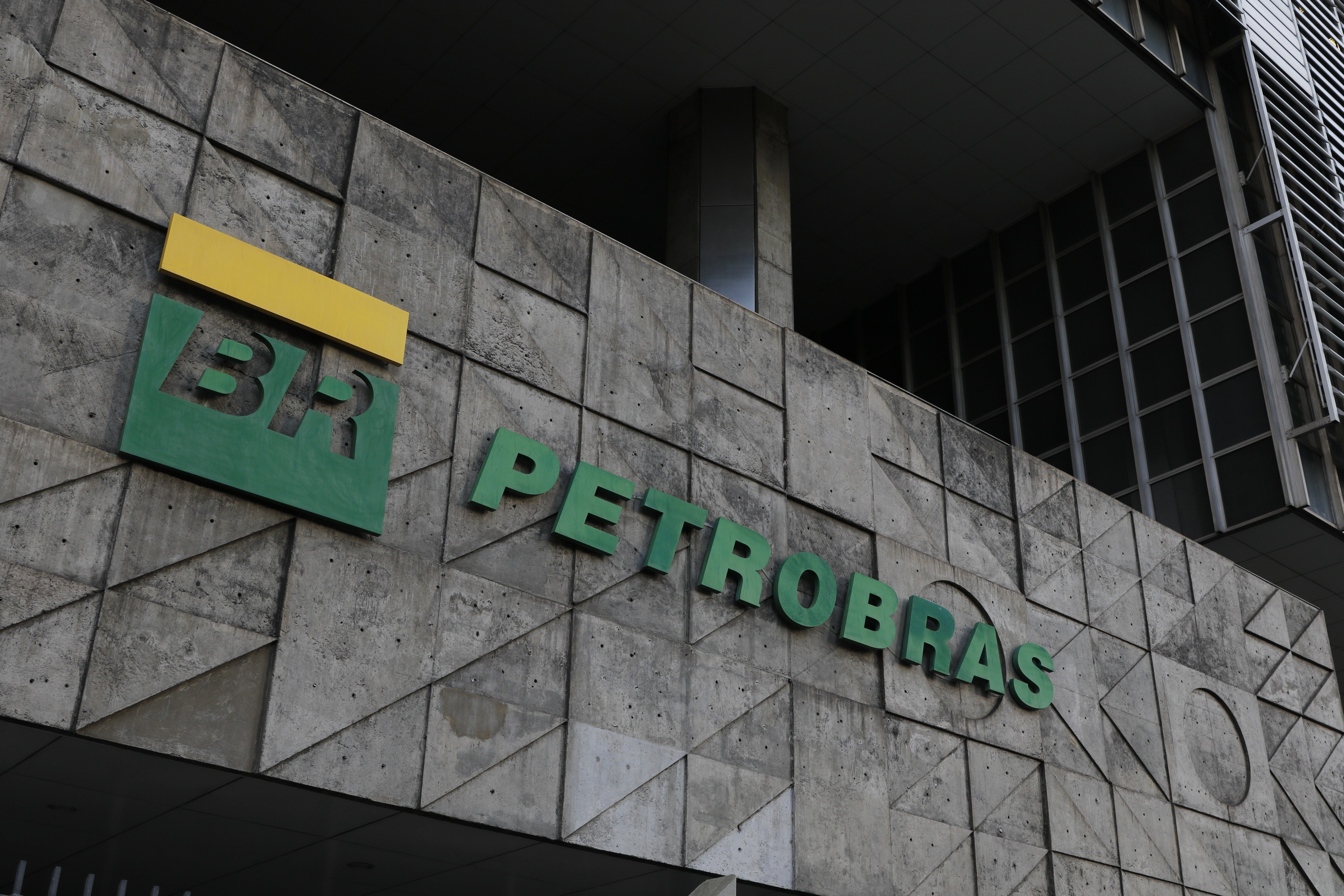
Brazil's federal state-owned enterprises collectively achieved a net profit of R$ 169.4 billion in 2025, a significant 45.4% increase compared to the R$ 116.5 billion profit recorded in 2024. Petrobras was the primary driver of this growth, contributing R$ 110.6 billion, which represents approximately 65% of the total profit. Other major contributors included BNDES with R$ 25.6 billion and Banco do Brasil with R$ 17.8 billion, with these three companies accounting for 90.9% of the overall profit. Despite the aggregate positive performance, the total profit in 2025 was lower than that reported in 2021 (R$ 187.5 billion), 2022 (R$ 275.1 billion), and 2023 (R$ 197.9 billion).
In stark contrast, the national postal service, Correios, reported a record net loss of R$ 8.5 billion in 2025, more than tripling its R$ 2.4 billion loss from 2024. This marks the 14th consecutive quarter of losses for the company. The worsening financial situation at Correios is attributed to a decline in revenue from international shipments and increased expenses, particularly for court-ordered payments (precatórios) and personnel costs. General and administrative expenses rose by 37% in 2025, while service revenue dropped by 12%. The company has initiated measures such as a voluntary redundancy program, asset sales, contract reviews, and secured a R$ 12 billion loan guaranteed by the Union, but the situation continues to deteriorate, with a R$ 3.1 billion loss in the first quarter of 2026, an 82% increase year-over-year.
The aggregate profit of Brazil's state-owned enterprises in 2025, driven by energy and financial sectors, presents a complex picture when contrasted with the significant losses incurred by Correios. This divergence highlights potential systemic inefficiencies or differing market dynamics across state-controlled entities. While the overall profit figure may appear robust, it is crucial to examine the sustainability of this performance, especially considering it falls short of previous years' results. The financial distress at Correios, despite remedial actions and government backing, warrants scrutiny of its operational model, cost structures, and revenue generation strategies in the evolving logistics landscape. Future policy decisions should consider whether a diversified portfolio of state assets can effectively mitigate the risks posed by underperforming individual entities, and whether market-based reforms are necessary to ensure long-term viability for all state-controlled companies.
AI-generated to prompt reflection — not editorial opinion, not advice, not a statement of fact. How this works.