Brazilian State Prosecutor Sues Water Company for $2 Million Over Sewage Treatment Plant Issues
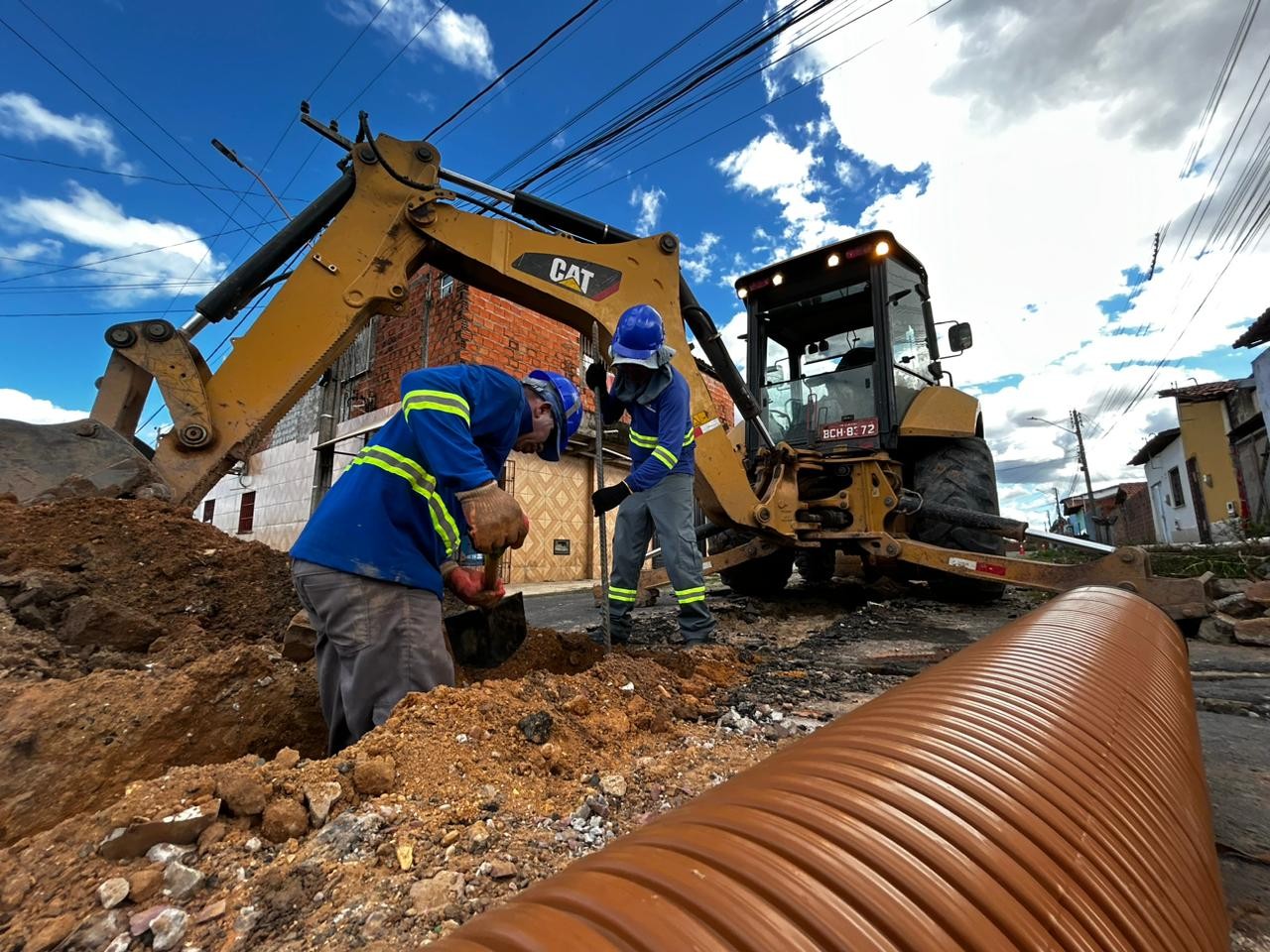
The State Prosecutor's Office of Piauí (MPPI) in Brazil has filed a civil lawsuit against the water utility company Águas do Piauí. The suit seeks at least R$ 10 million (approximately $2 million USD) in damages due to alleged operational irregularities at the Piripiri Sewage Treatment Plant (ETE) in the northern part of the state. The legal action, detailed in the Official Gazette on Wednesday, November 8th, also demands compensation for environmental damage and reimbursement for consumers who paid for inadequate service. The MPPI is requesting the court to halt new connections to the treatment plant until the identified issues are rectified. Furthermore, they seek a suspension or reduction of sewage tariffs while the service remains substandard. Previous extrajudicial measures, including inspections and meetings, failed to resolve the problems, according to the MPPI, which cited persistent foul odors, environmental impacts, and diminished quality of life for local residents. The lawsuit also calls for individual compensation for residents who suffered material or moral damages. The case is in its early stages, with Águas do Piauí yet to be officially notified and expected to present its defense. The judicial process will involve evidence gathering, testimonies, and expert assessments before a judge renders a decision.
This legal action highlights the critical role of public utilities in environmental stewardship and consumer protection. The prosecutor's suit, seeking significant financial penalties and operational reforms, underscores the potential for systemic failures in infrastructure management to have widespread environmental and social consequences. The case will likely examine the company's adherence to regulatory standards, its responsiveness to prior warnings, and the effectiveness of its internal governance mechanisms in preventing such alleged lapses. Moving forward, the outcome could influence regulatory oversight and corporate accountability frameworks for essential service providers, particularly in balancing infrastructure investment with environmental impact and consumer rights in the face of evolving climate and urban development pressures.
AI-generated to prompt reflection — not editorial opinion, not advice, not a statement of fact. How this works.