Brazilian Students in Argentina Face Threats After World Cup Loss
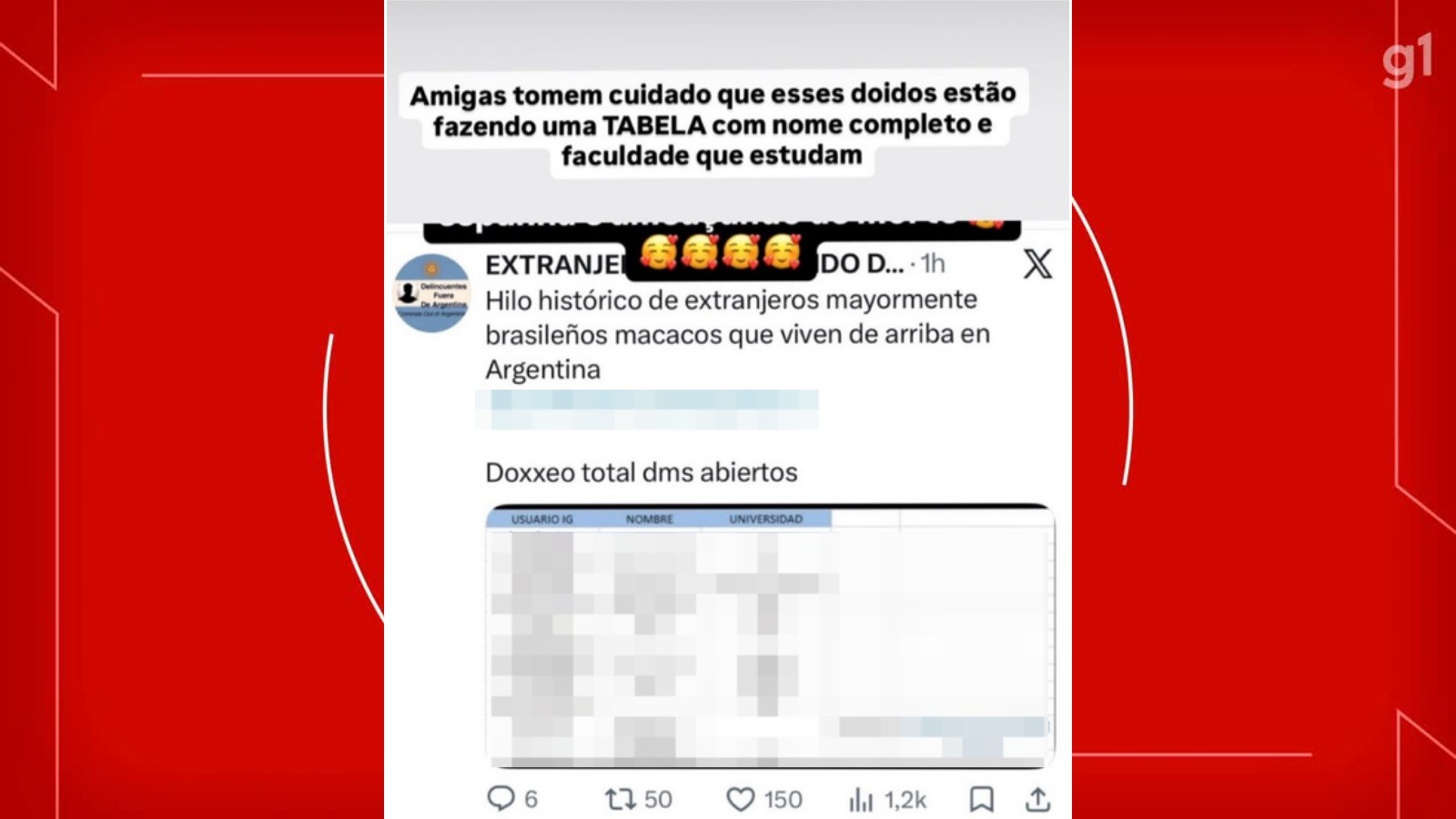
Following the 2026 World Cup final, Brazilian students residing in Argentina have reported experiencing a wave of threats and intimidation, leading some to deactivate social media accounts and avoid public spaces. One student from the Federal District, pursuing medicine in Buenos Aires, shared her fear and the disruption to her routine, despite not having publicly commented on the match. She detailed how fellow students are receiving death threats, with personal information like names and universities being compiled into spreadsheets and shared online. These spreadsheets are reportedly used to email medical schools, demanding disciplinary actions against Brazilian students, and to pressure hospitals regarding Brazilian residents. One specific instance mentioned involved attempts to have a Brazilian medical resident excluded for supporting Spain. Online harassment includes racist slurs, with some users demanding that Brazilians support Argentina simply because they study in the country. The student community has seen social gatherings canceled due to safety concerns, and some individuals are afraid to leave their homes. Another Brazilian student reported receiving death threats, racist insults, and even images of firearms after her celebratory reaction to Argentina's defeat was broadcast on Argentine television. The program allegedly exposed her social media username, leading to a barrage of menacing messages. She intends to report the threats to the police, contact the Brazilian Embassy in Buenos Aires, and consider legal action against the television station. Despite the fear, she is committed to completing her medical studies in Argentina. Both students emphasized that these attacks represent a vocal minority and do not reflect the sentiment of the broader Argentine population.
The reported incidents highlight the potent intersection of nationalistic fervor, social media amplification, and the vulnerability of international student populations. The rapid dissemination of personal information and coordinated online harassment suggest a deliberate campaign to intimidate, extending beyond mere online commentary to tangible threats impacting daily life and professional standing. This situation underscores the critical need for robust digital safety protocols and effective cross-border mechanisms for addressing online harassment and threats. It also raises questions about the responsibility of media outlets in broadcasting potentially inflammatory content and the adequacy of existing legal frameworks to protect individuals from such targeted digital aggression. Future considerations should include fostering digital citizenship education and exploring international cooperation to combat hate speech and cyberbullying, particularly within academic and professional contexts.
AI-generated to prompt reflection — not editorial opinion, not advice, not a statement of fact. How this works.