Brazilian Students Pursue Medical Degrees in Paraguay's Border City
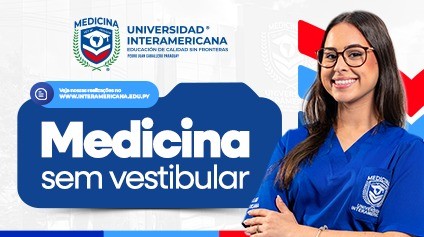
Thousands of Brazilians dream of becoming doctors, but face challenges like intense competition, high costs, and lengthy selection processes. Pedro Juan Caballero, a Paraguayan city on the border with Ponta Porã, Brazil, has emerged as an alternative for these aspiring medical students. The Universidade Interamericana in this city attracts students from across Brazil, offering them a chance to pursue medical education while remaining close to home. This proximity allows students to maintain connections with their language, culture, and families, while also gaining new experiences and a broader perspective on the medical profession. The university emphasizes a curriculum that blends theoretical knowledge with practical application, featuring academic facilities, laboratories, and simulation spaces designed to develop essential skills. Beyond academic learning, the institution stresses the importance of care, ethics, empathy, and commitment to life in medical practice. The multicultural environment of the border region also fosters a broader understanding and prepares future doctors to serve a diverse patient population. Studying in Pedro Juan Caballero represents a significant, yet achievable, step for many students, transforming their long-held medical aspirations into a tangible reality through dedication and consistent training.
The increasing appeal of cross-border medical education for Brazilian students highlights systemic pressures within Brazil's higher education sector, particularly concerning access to medical programs. Factors such as limited university spots, competitive entrance exams, and escalating tuition fees likely incentivize students to seek alternatives abroad. The availability of institutions like Universidade Interamericana in border towns offers a pragmatic solution, balancing cost-effectiveness and geographical proximity with the desire for specialized training. This trend may prompt a re-evaluation of domestic educational policies and resource allocation to address the demand for medical education more effectively. Furthermore, it underscores the growing importance of international collaboration in higher education and the potential for reciprocal benefits in cultural exchange and professional development.
AI-generated to prompt reflection — not editorial opinion, not advice, not a statement of fact. How this works.