Brazilian Taiko Champions Seishin Daiko Earn Spot in 2027 Japan Competition
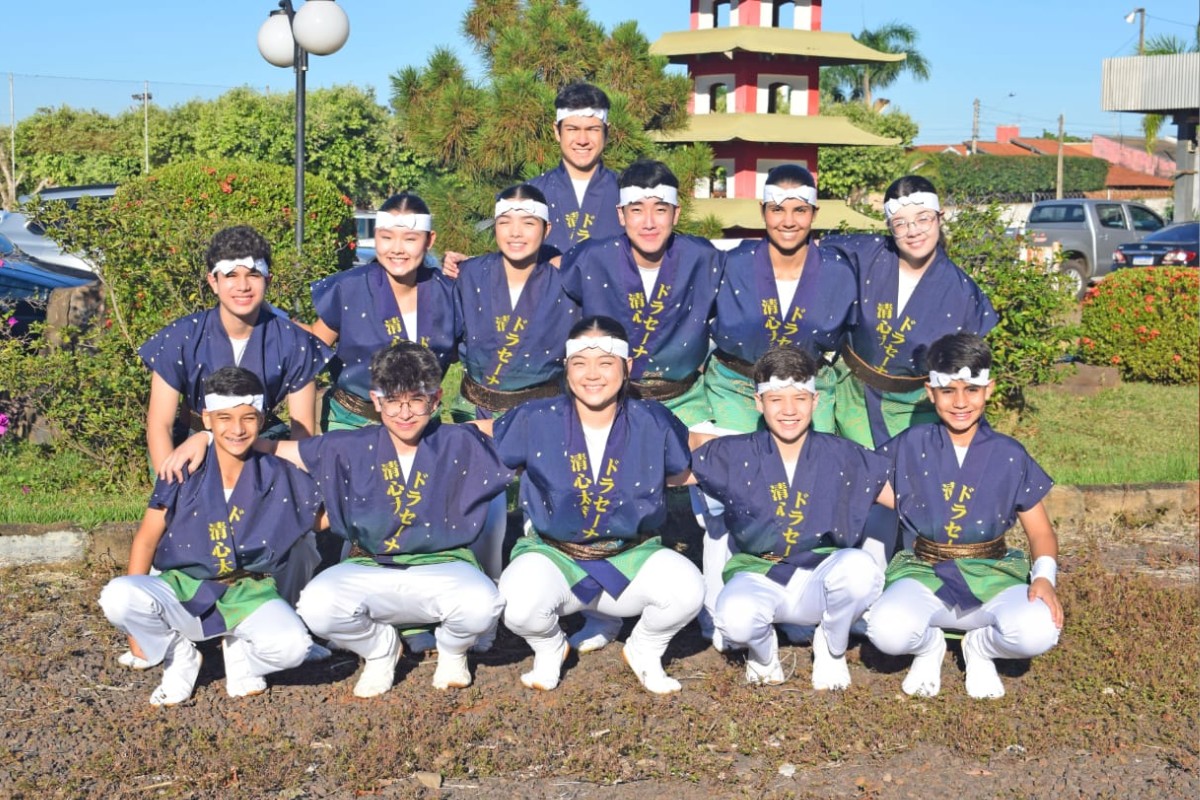
The Seishin Daiko taiko group from Dracena, São Paulo, has secured a prestigious victory, winning the Junior category of the 20th Brazilian Taiko Festival and earning the right to represent Brazil in Japan in 2027. This bicampeonato title is the culmination of years of discipline, dedication, and respect for Japanese cultural traditions, symbolizing more than just a trophy but the preservation of an ancient art form. Founded on January 15, 2011, by Paulo Kozen Nakazato, Hideki Okamoto, and Tatsuo Aizawa, with support from Iisei Watanabe and instructors Carlos Alberto Sabino and Thaigo Damini, the group embodies teamwork, respect, humility, discipline, and gratitude, as highlighted by group leaders Leandro Kenji Miyaguchi and Tatiana Akemi Kawakita Asami. The rigorous preparation for this championship involved months of rehearsals, physical conditioning, and emotional balance, with the group overcoming challenges to maintain well-being among its 36 members. The Seishin Daiko, whose name translates to 'pure heart,' has a history of success, having previously won the Mirim category in 2015 and the Junior category in 2018. Their journey is also marked by resilience, particularly in 2018 when remaining members sustained the group after others departed due to age. The Brazilian Taiko Festival, mirroring the Nippon Taiko Foundation's contest in Japan, is a significant annual event that fosters the technical and creative development of taiko outside of Japan, with the Junior category winner earning a place in the Japanese competition.
The Seishin Daiko's triumph at the Brazilian Taiko Festival highlights the enduring appeal and cultural transmission of traditional arts. The group's success, rooted in discipline and collective effort, underscores the power of sustained practice in achieving high-level performance. This achievement also points to the growing global diaspora of cultural practices, with Brazil becoming a significant hub for taiko outside of Japan. The festival's structure, mirroring Japanese competitions, suggests a formalized pathway for cultural preservation and advancement, potentially fostering innovation within traditional frameworks. Looking ahead, the integration of such traditional arts into broader cultural and educational landscapes could offer valuable lessons in community building, intergenerational connection, and the cultivation of personal discipline in an increasingly fragmented world.
AI-generated to prompt reflection — not editorial opinion, not advice, not a statement of fact. How this works.