Brazilian Tech Students Sell Sweets to Fund Mexico Exchange Program
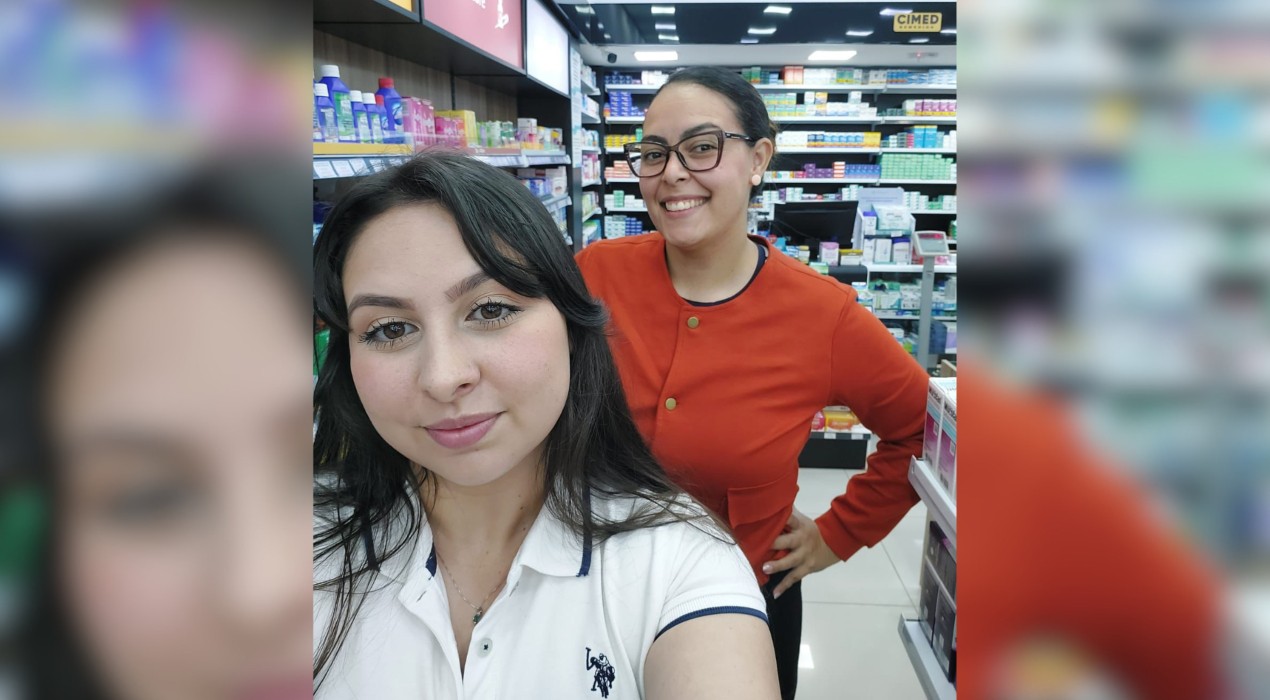
Three Brazilian students from the Faculdades de Tecnologia (Fatec) have been selected for a five-month academic exchange program at the Universidad de Monterrey in Mexico. Talita Cristina Motta de Oliveira, 36, and Amanda Emilly dos Santos, 23, both studying Event Management at Fatec Itu, along with Gabriel Ferreira Barros, 20, a Data Science student at Fatec Santana de Parnaíba, need to raise R$ 40,000 to cover their travel and living expenses. The trio was chosen through the Paula Souza International Academic Mobility Program (Promaips), which selected only 158 students out of 81 Fatec institutions across São Paulo state based on academic merit and attendance. Although their tuition at the Mexican university is waived, the students are responsible for all other costs, including flights and accommodation. The departure is scheduled for July 26, with a return on December 13. In Monterrey, Talita and Amanda will focus on International Marketing for Events, while Gabriel will study Innovation, Communication, AI, and Astronomy. The students face a tight deadline, as they were notified of their selection in late April, leaving them only three months to gather the necessary funds. Failure to prove sufficient financial resources could lead to the cancellation of their participation, as required by Mexican immigration authorities. To meet their fundraising goal, the students are employing a dual strategy: Gabriel developed a personalized website for their online crowdfunding campaign, while Talita and Amanda are selling homemade sweets like brigadeiros, pot cakes, and brownies in high-traffic areas in Itu. They have also received support from local businesses, including product donations and essential items like luggage and toiletries.
This situation highlights the persistent funding challenges faced by students pursuing international academic opportunities, even when tuition is covered. The reliance on personal fundraising underscores a potential systemic gap in educational mobility programs, where logistical and living costs can become insurmountable barriers for meritorious students. The students' proactive approach, combining digital fundraising with entrepreneurial sales, demonstrates resourcefulness but also points to the significant time and effort diverted from academic preparation. Future program design could consider more robust support mechanisms for ancillary costs, ensuring that financial constraints do not disproportionately affect student participation and diversity in global exchange initiatives. This also raises questions about the balance between academic selection criteria and the practical financial realities students must navigate.
AI-generated to prompt reflection — not editorial opinion, not advice, not a statement of fact. How this works.