Brazilian Teenager with Rare Genetic Disease Faces Vision Loss and Mobility Issues
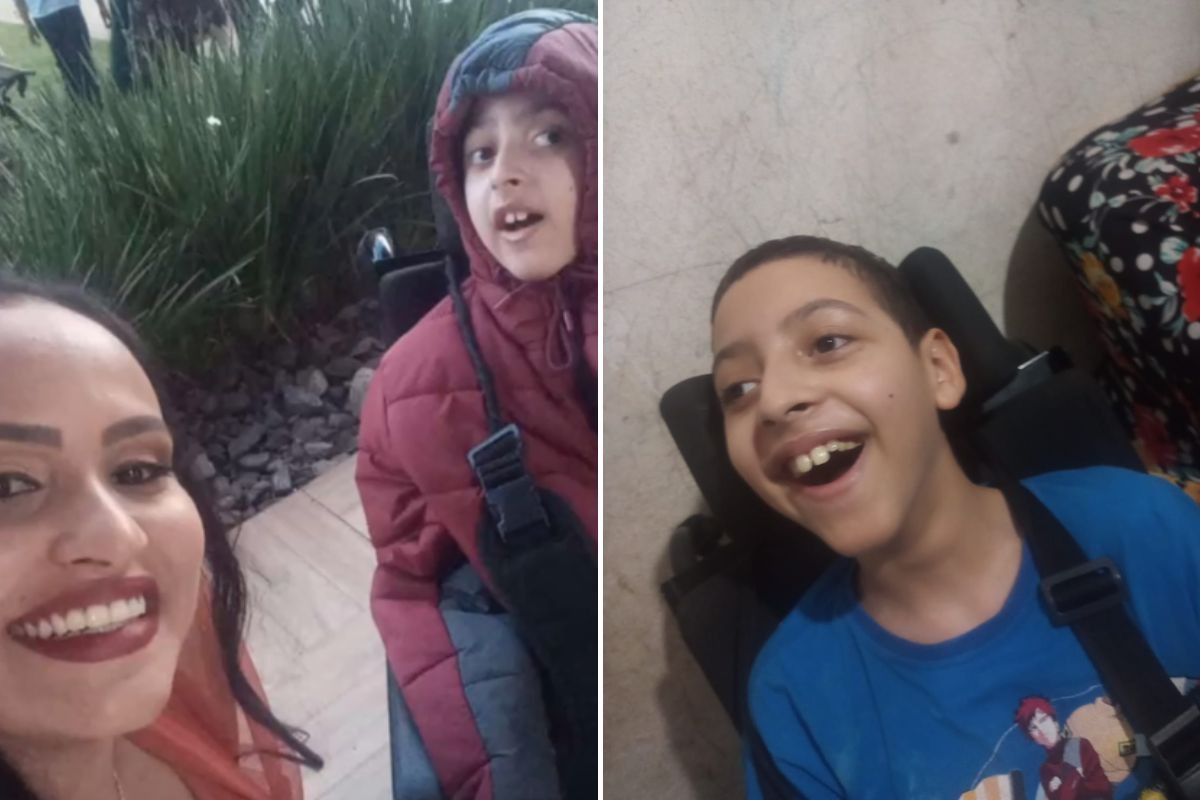
Diogo, a 13-year-old boy from Itanhaém, São Paulo, has had his life dramatically altered by adrenoleukodystrophy (ALD), a rare genetic neurodegenerative disease. The condition has caused him to lose his vision, require feeding through a tube, and experience significant mobility challenges, making him entirely dependent on his mother, Deluma Barros. ALD results from an alteration in the X chromosome, progressively affecting vision, speech, behavior, and swallowing abilities. Deluma describes her son as having been a vibrant child with many dreams, whose capabilities have been gradually eroded by the illness, causing her deep distress. She is currently struggling to secure the specialized formula for his feeding tube, often facing shortages from the Regional Health Department since 2022. To supplement his nutrition, she relies on donations and fundraising events. The São Paulo State Health Secretariat stated that the enteral diet has been acquired and will be available for pickup soon, explaining that the procurement of medications, including those for administrative and judicial demands, requires a bidding process according to federal law. Diogo's health issues were first noticed by his teacher, prompting his mother to seek medical attention, leading to his diagnosis in 2022 at age 8. His condition necessitated Deluma leaving her job to provide full-time care, transforming their daily routine into a continuous cycle of challenges and learning, though Diogo's smiles offer comfort. He receives ongoing treatment at the Children's Institute of the Hospital das Clínicas in São Paulo, requiring ambulance transport for neurology, endocrinology, pain management, and palliative care, alongside home-based physical and speech therapy in Itanhaém. Deluma is also campaigning for essential equipment such as a new wheelchair, a bath chair, a hospital bed, and orthotics to improve his comfort and quality of life.
This case highlights the profound impact of rare genetic diseases on individuals and families, underscoring critical challenges in healthcare access and resource allocation. The dependency on specialized nutrition and equipment, coupled with the complexities of public health procurement processes, reveals systemic vulnerabilities. Future healthcare models must proactively address the needs of patients with rare conditions, potentially through streamlined acquisition pathways for essential supplies and assistive devices. Furthermore, fostering greater public awareness and support networks can mitigate the immense personal and financial strain on caregivers, ensuring dignity and quality of life are maintained amidst chronic illness.
AI-generated to prompt reflection — not editorial opinion, not advice, not a statement of fact. How this works.