Brazilian Therapist's 'Poop Fairy' Character Goes Viral, Aids Potty Training
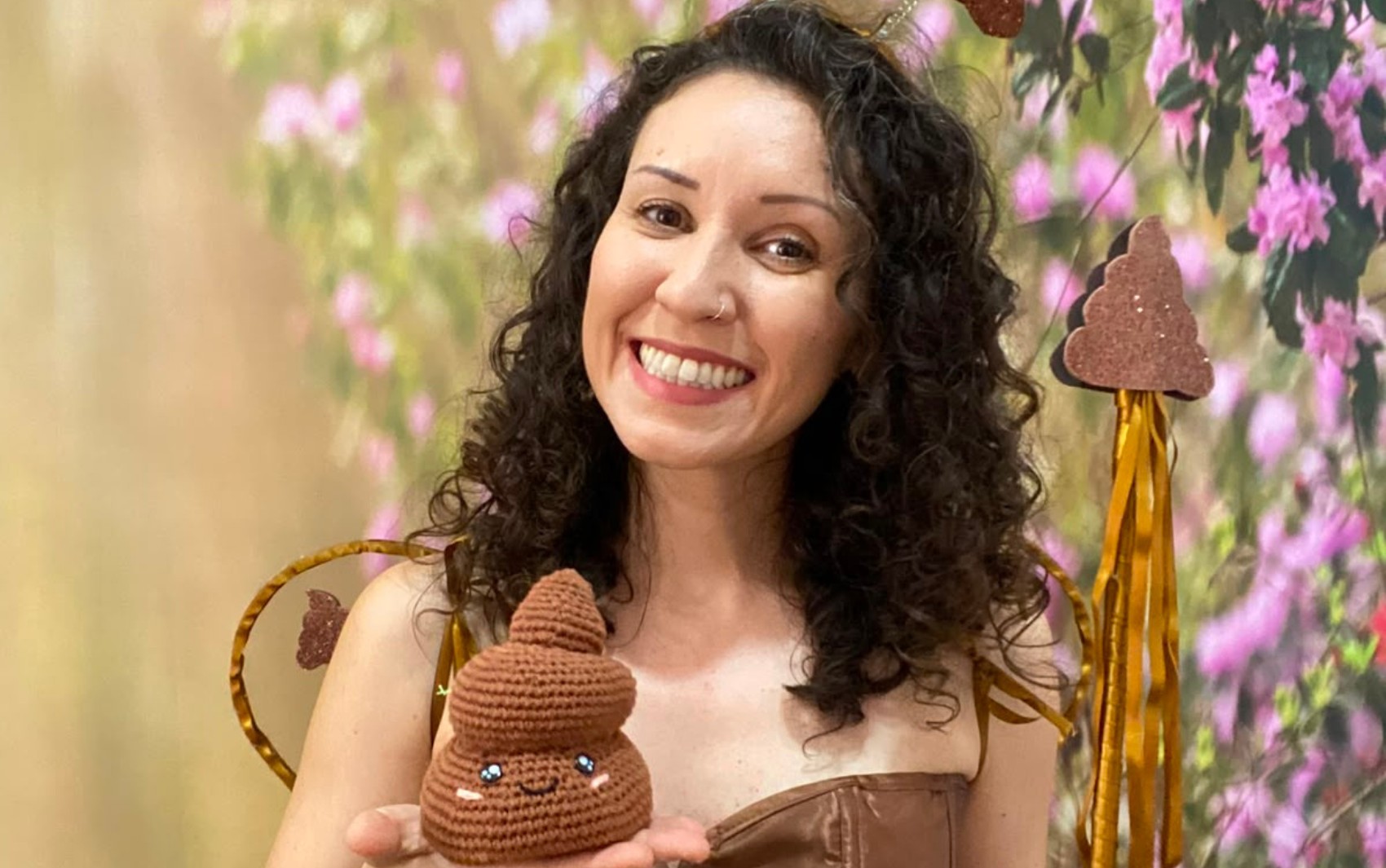
Silvia Ueno, an occupational therapist from Ribeirão Preto, São Paulo, has achieved significant online success with her character, the 'Fada do Cocô' (Poop Fairy). This character aims to assist families with the challenging process of potty training children. The initiative has garnered 354,000 followers across social media platforms and provides guidance to parents on the optimal time to transition their children from diapers. The project incorporates rock and roll music, Ueno's favorite genre, children's books, and interactive tools like stickers to educate children about their digestive systems. The 'Poop Fairy's' mission is to alleviate the trauma and fear many children experience when using the toilet. Due to overwhelming demand, Ueno has shifted her focus from traditional in-person clinical sessions to exclusively digital content, offering free advice via messages and selling educational materials to ensure widespread access to information. She emphasizes that potty training involves a child's interest and understanding of their own body, not just frequent trips to the bathroom. The character originated from a nickname given by mothers of her infant patients who were experiencing colic and bowel issues, noting the rapid effectiveness of Ueno's methods. Ueno transformed this affectionate nickname into a full costume to help older children struggling with severe constipation, finding that the 'Poop Fairy' could achieve results faster than her traditional clinical approach. The character uses a 'wand of courage' to teach children to act despite fear, fostering bravery in using the toilet. The project expanded into music and books when Ueno could no longer manage the in-person demand, collaborating with her husband, a music producer, to create rock-themed songs and children's books designed to reduce screen time and encourage playful learning about bowel movements and toilet use. Interactive visual aids, such as stickers and illustrations of characters like 'Cocozinho' (Little Poop), further engage children in the potty-training process. Ueno now addresses a broad audience, including adolescents up to 13 years old who still rely on diapers, highlighting that psychological trauma related to toilet use is a common and widespread issue in childhood, often triggered by a single painful experience or dietary slip-up. To manage the high volume of inquiries, she transitioned to mass-produced content, responding to approximately 50 families daily on social media. Her expertise was further solidified by her personal experience with natural hygiene practices, which she applied to her son, Tomás, who successfully used the toilet from 30 days old and was fully potty trained by 11 months. This practical success led her to publish a scientific article in 2022, which gained credibility among pediatricians and significantly boosted her online career. The character's visual design, predominantly brown, is strategically chosen to create immediate positive identification with children, tapping into their natural fascination with their own bodily functions and transforming fear into fun.
The widespread adoption and success of the 'Fada do Cocô' initiative highlight a significant gap in accessible, engaging, and demystified resources for early childhood development, specifically concerning potty training. By leveraging a relatable character, popular music genres, and interactive media, Silvia Ueno has effectively addressed a common parental challenge, demonstrating the power of creative pedagogy in overcoming psychological barriers for children. The transition from traditional clinical practice to a digital-first, mass-reach model underscores a broader trend in service delivery, where scalable digital platforms can democratize access to expertise. Ueno's approach, rooted in both professional knowledge and personal experience, and validated by scientific publication, offers a compelling case study in how individualized care can be effectively amplified through digital channels. This model may offer insights for other fields facing similar demands for specialized guidance, suggesting that innovative, culturally resonant content can drive significant public engagement and positive behavioral change, particularly in the context of evolving family structures and parenting norms in the digital age.
AI-generated to prompt reflection — not editorial opinion, not advice, not a statement of fact. How this works.
