Brazilian Town Bans Rebuilding in Flood Zone After 80% of City Submerged
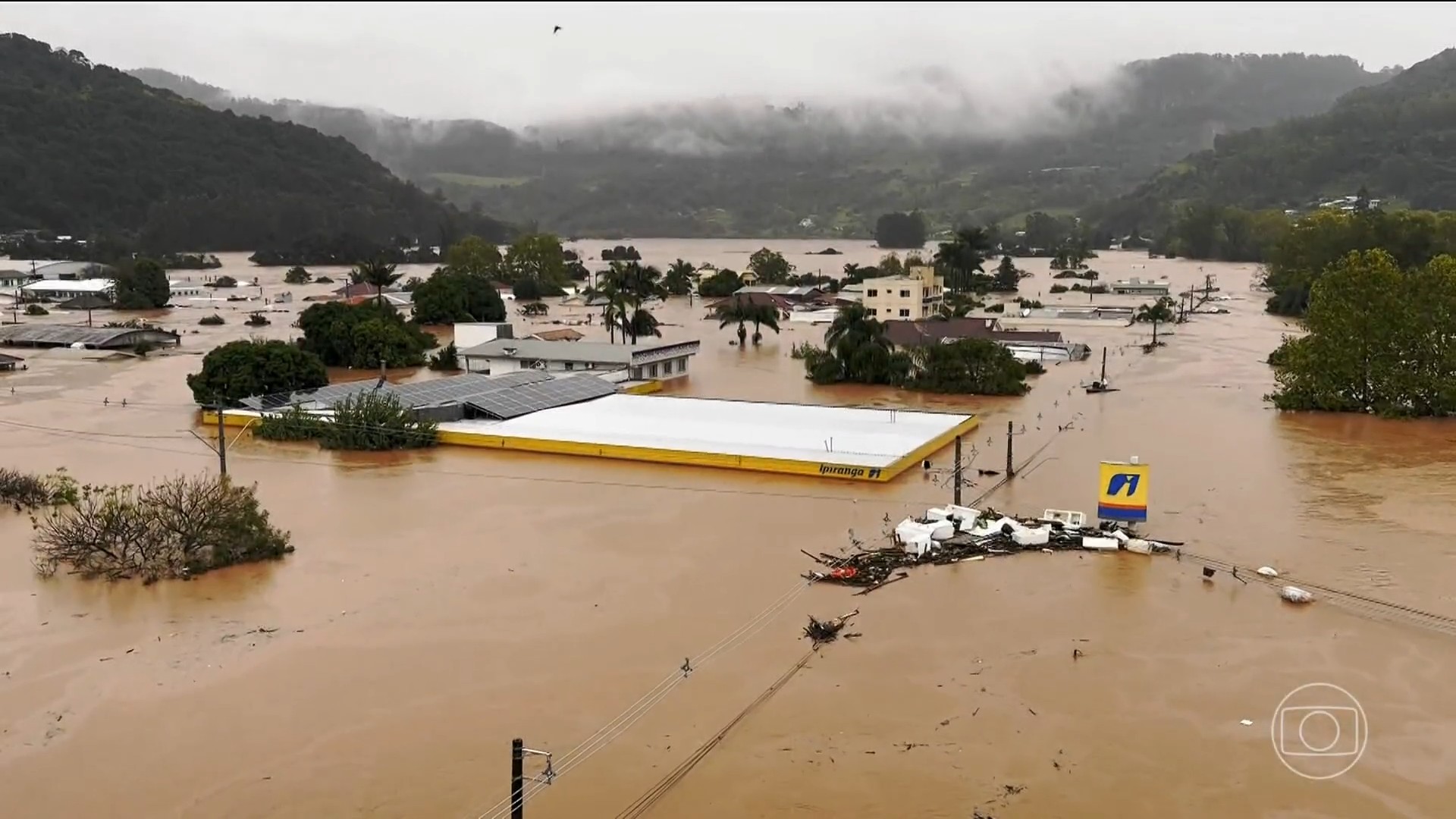
Muçum, a town in Rio Grande do Sul, Brazil, has prohibited new construction in its most flood-prone areas after suffering devastating inundations. The town experienced three major floods between September and November 2023, and again in May 2024, with the latter coinciding with the state's worst climate disaster. During the most severe flood, approximately 80% of Muçum's urban area was submerged, leading to 350 condemned buildings and the destruction of its cemetery. The Taquari River reached a record 26 meters, causing widespread destruction, including an entire highway. In response, the municipality is transforming the devastated 200,000-square-meter area into an ecological park with permeable surfaces and recreational spaces, aiming to mitigate future flood damage. All structures in the most affected zone have been demolished, except for one building awaiting demolition, and affected families are being relocated to new housing away from the river. Businesses have also been incentivized to relocate, with favorable land prices in safer areas. This proactive strategy contrasts with Brazil's national spending, which, according to the TCU, has prioritized reconstruction over prevention by a three-to-one ratio over the last 15 years. Experts emphasize adaptation to climate change, with millions of Brazilians living in vulnerable areas, highlighting the need for cities and states to prepare for more frequent and intense extreme weather events.
Muçum's decision to prohibit rebuilding in flood-prone areas represents a significant shift from traditional disaster response, which often focuses on reconstruction. This strategy prioritizes long-term resilience and adaptation over immediate recovery, acknowledging the inevitability of future extreme weather events exacerbated by climate change. The initiative highlights a systemic contradiction in Brazil, where national spending disproportionately favors post-disaster reconstruction over crucial preventative measures. By creating an ecological park, Muçum is not only mitigating physical risk but also potentially fostering community well-being through green spaces. This approach challenges conventional urban planning and economic development models, prompting a reevaluation of how communities can sustainably coexist with environmental hazards in an era of increasing climate volatility. The long-term success will depend on sustained political will, effective land-use management, and equitable relocation strategies for affected populations.
AI-generated to prompt reflection — not editorial opinion, not advice, not a statement of fact. How this works.